
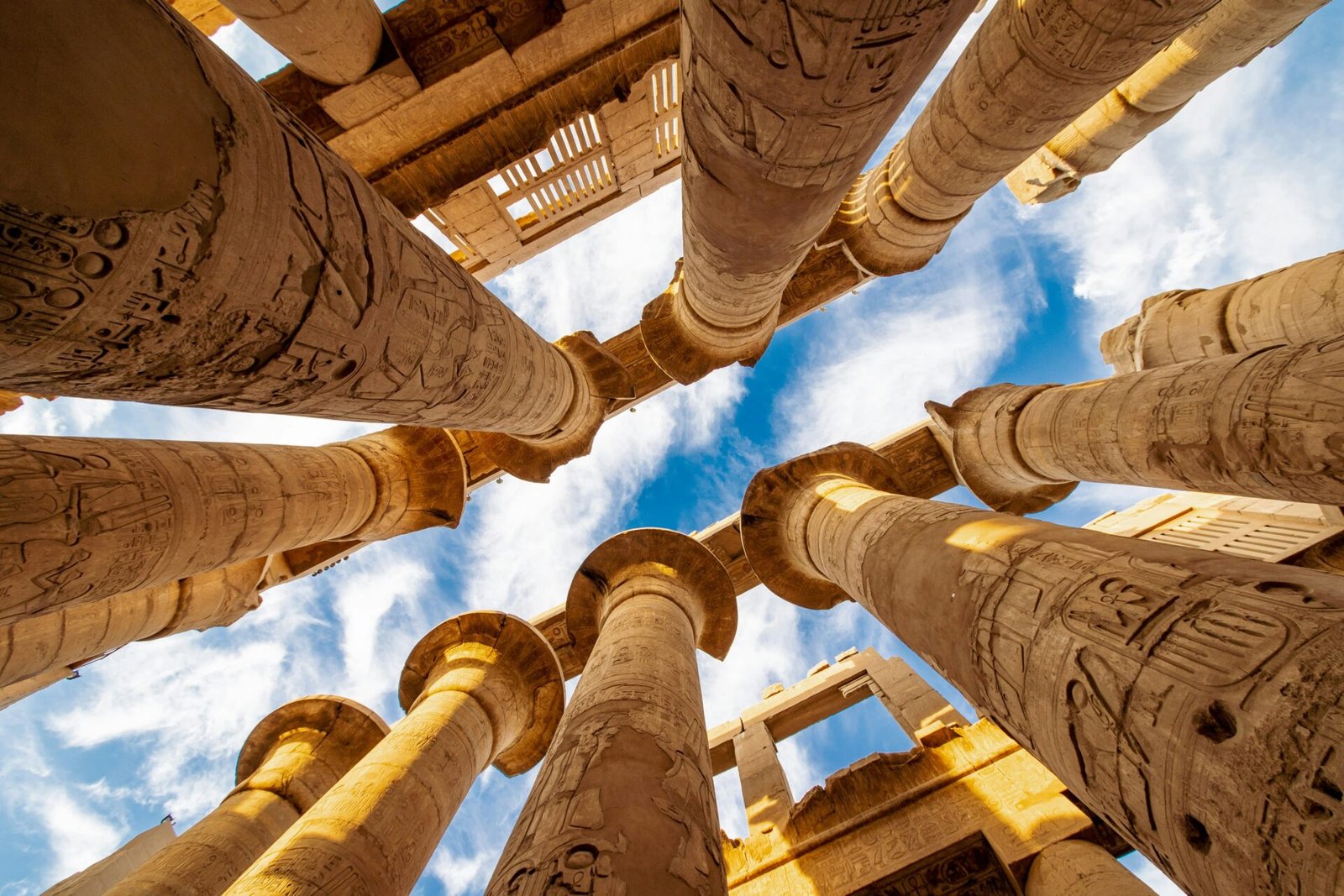
Luxor is a treasure trove of ancient wonders. Known as the ‘world’s greatest open-air museum’, it captivates visitors with its rich history. This city, once the ancient capital of Thebes, is a testament to Egypt’s glorious past.
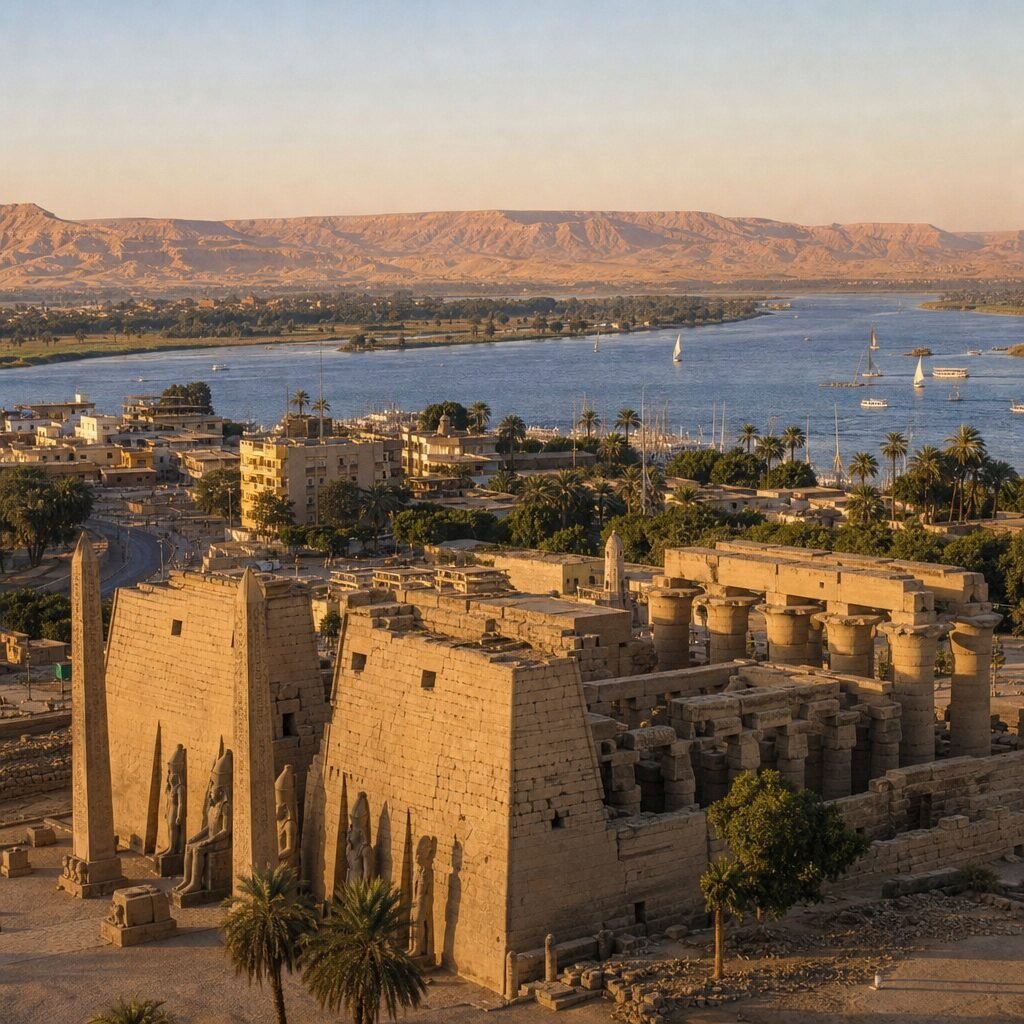
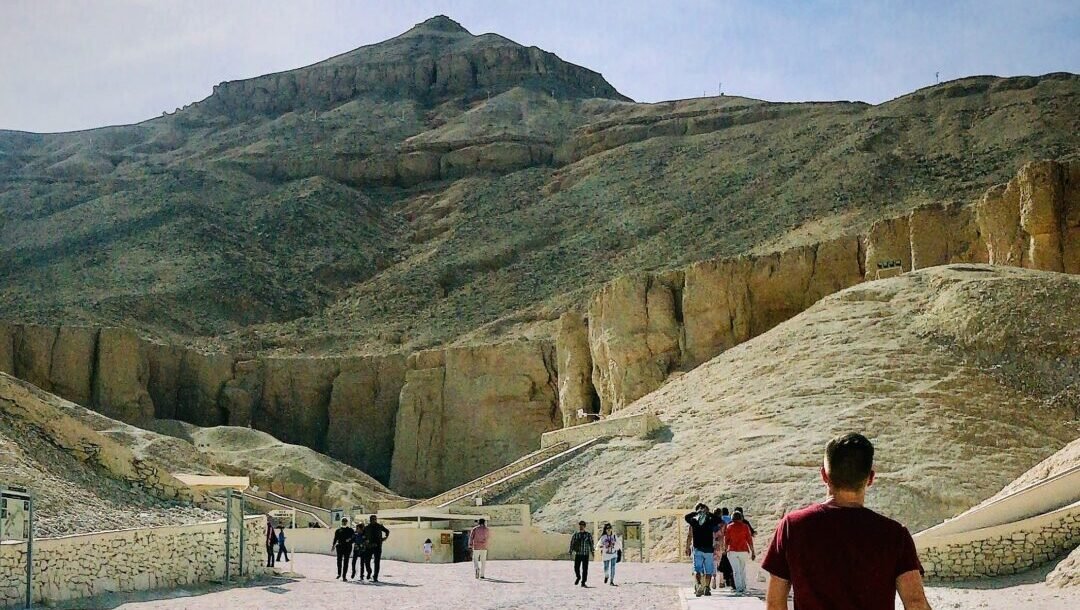
Nestled on the east bank of the Nile River, Luxor is a gateway to the mysteries of ancient Egypt. Its landscape is dotted with monumental temples and tombs. The Valley of the Kings, a royal necropolis, is a must-see for history enthusiasts.
The Temple of Luxor stands as a monument to the gods. Built by Amenhotep III and Ramses II, it showcases the grandeur of ancient architecture. Nearby, the Karnak Temple Complex is a sprawling site that was the heart of ancient Thebes.
Luxor’s allure extends beyond its historical sites. Recent archaeological discoveries continue to unveil secrets of the past. These findings offer new insights into the lives of ancient Egyptians.
The weather in Luxor is typically hot and dry. Visitors should plan accordingly, especially during the summer months. The best time to explore is from October to April when temperatures are milder.
Luxor is not just about history. It offers vibrant markets, local cuisine, and cultural experiences. From hot air balloon rides to the Luxor Museum, there’s something for everyone.
Whether you’re a history buff or a curious traveler, Luxor promises an unforgettable journey. Its blend of history, culture, and natural beauty makes it a must-visit destination. Discover the wonders of Luxor, where the past comes alive.
The Historical Significance of Luxor
Luxor stands as a testament to ancient Egypt’s rich heritage. Its history stretches over millennia, capturing the glory of empires past. This city was once the thriving heart of the New Kingdom period.
Thebes, as Luxor was known, served as Egypt’s capital during its most prosperous era. The city witnessed the reign of powerful pharaohs who left an indelible mark. Many famous monuments we see today are their legacy.
Luxor’s historical significance is unrivaled. It serves as a window into Egypt’s golden age. The city’s ruins narrate tales of gods, kings, and monumental achievements.
A blend of architectural marvels and ancient wisdom echoes through the city. Luxor’s treasures include remarkable temples and intricate tombs. These sites are testaments to advanced engineering and artistic prowess.
The city is recognized as a UNESCO World Heritage site. Its cultural and historical significance draws scholars and tourists worldwide. Luxor continues to inspire awe with its majestic monuments.
The following aspects highlight Luxor’s historical importance:
-
- Valley of the Kings: Resting place of pharaohs, including Tutankhamun.
-
- Temple of Luxor: A masterpiece of ancient architecture.
-
- Karnak Temple Complex: Once the center of Theban religious life.
-
- Mortuary Temple of Hatshepsut: Known for its unique design.
-
- Avenue of Sphinxes: A grand walkway connecting Luxor with Karnak.
Luxor’s strategic position along the Nile made it a trade and cultural hub. This location contributed to its prosperity and enduring legacy. Discovering Luxor is like opening a book into Egypt’s storied past.
The monumental remains stand as proud symbols of Egypt’s historical journey. For those seeking to explore humanity’s ancient roots, Luxor is unmatched. It offers a glimpse into a world where pharaohs ruled and temples soared against the desert sky.
The Valley of the Kings: Luxor’s Royal Necropolis
The Valley of the Kings Luxor is a jewel in Luxor’s vast landscape. This site is the resting place of Egypt’s most powerful pharaohs. Situated on Luxor’s West Bank, it holds over 60 tombs carved into the rock.
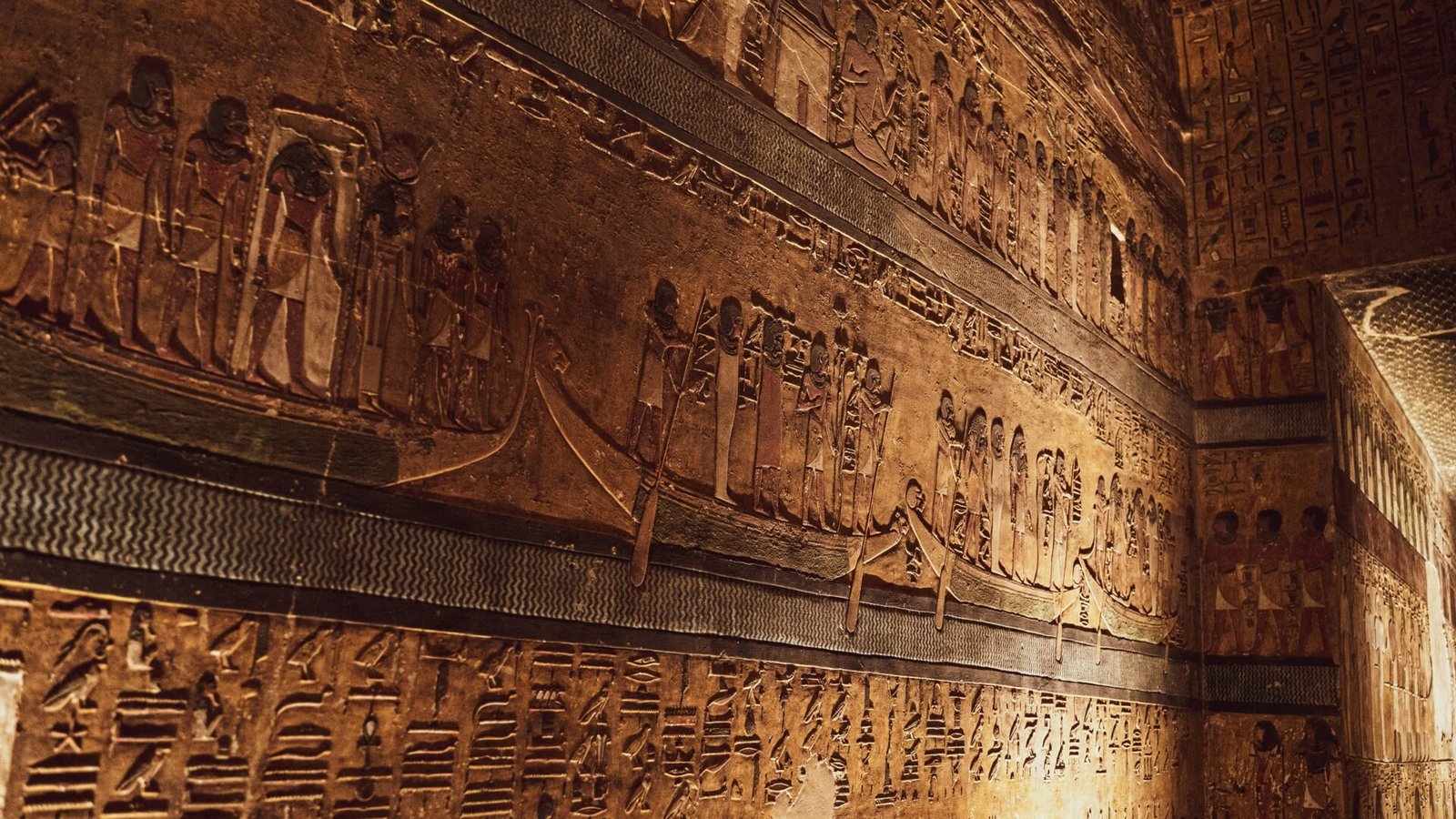
The allure of this necropolis lies in its intricate tombs. Each tomb is unique, with vibrant wall paintings and mysterious hieroglyphs. They depict the journey of the pharaohs to the afterlife, filled with rich symbolism.
Among the most famous is the tomb of Tutankhamun. Discovered by Howard Carter in 1922, it captured the world’s imagination. Its riches and artifacts revealed much about ancient Egyptian customs.
Unlike grand pyramids, these tombs were hidden in the cliffs. The secret location was intended to thwart tomb robbers. Despite the efforts, many were looted over the centuries, yet their splendor persists.
Exploring the Valley provides an intimate glimpse into the past. Walking through these tombs is a surreal experience, connecting visitors to ancient rites. The artwork inside these chambers remains vibrantly preserved.
Each tomb in the Valley has a story, reflecting the pharaoh’s journey. Visitors often feel humbled by the elaborate artistry and ancient narratives. It’s a place where history is palpable, mingling with modern curiosity.
Key features of the Valley of the Kings include:
-
- Tutankhamun’s Tomb: The only royal tomb found mostly intact.
-
- Seti I’s Tomb: Known for its rich colors and intricate details.
-
- Ramses VI Tomb: Famous for its ceiling depicting the Book of the Day and Night.
-
- Tomb Decorations: Vivid depictions of gods and daily life.
-
- Al-Deir El-Medina: A nearby village home to the workers who constructed these tombs.
Visiting the Valley is both an educational and spiritual journey. The silence of the desert enhances the sense of history pervading the site. As shadows stretch over the sand, one feels the enduring legacy of Egypt’s great rulers.
To visit this necropolis is to step into an ancient world where the afterlife was as significant as life itself. Each tomb offers a portal into a civilization that revered its leaders as god-kings.
These storied tombs continue to capture the imaginations of those who wander their depths, ensuring that the pharaohs’ legacy remains alive. For history enthusiasts, the Valley of the Kings is an unmissable destination, offering a deep dive into the mysteries of the past.
The Temple of Luxor: A Monument to the Gods
The Temple of Luxor stands proudly on the east bank of the Nile. It’s an emblem of Egypt’s illustrious past, dedicated to the great god Amun. Constructed around 1400 BCE, its grandeur is unmatched.
Amenhotep III began its construction, and Ramses II completed it years later. The temple served both religious and political purposes. It was the site of the annual Opet Festival, a grand celebration marking Amun’s journey.
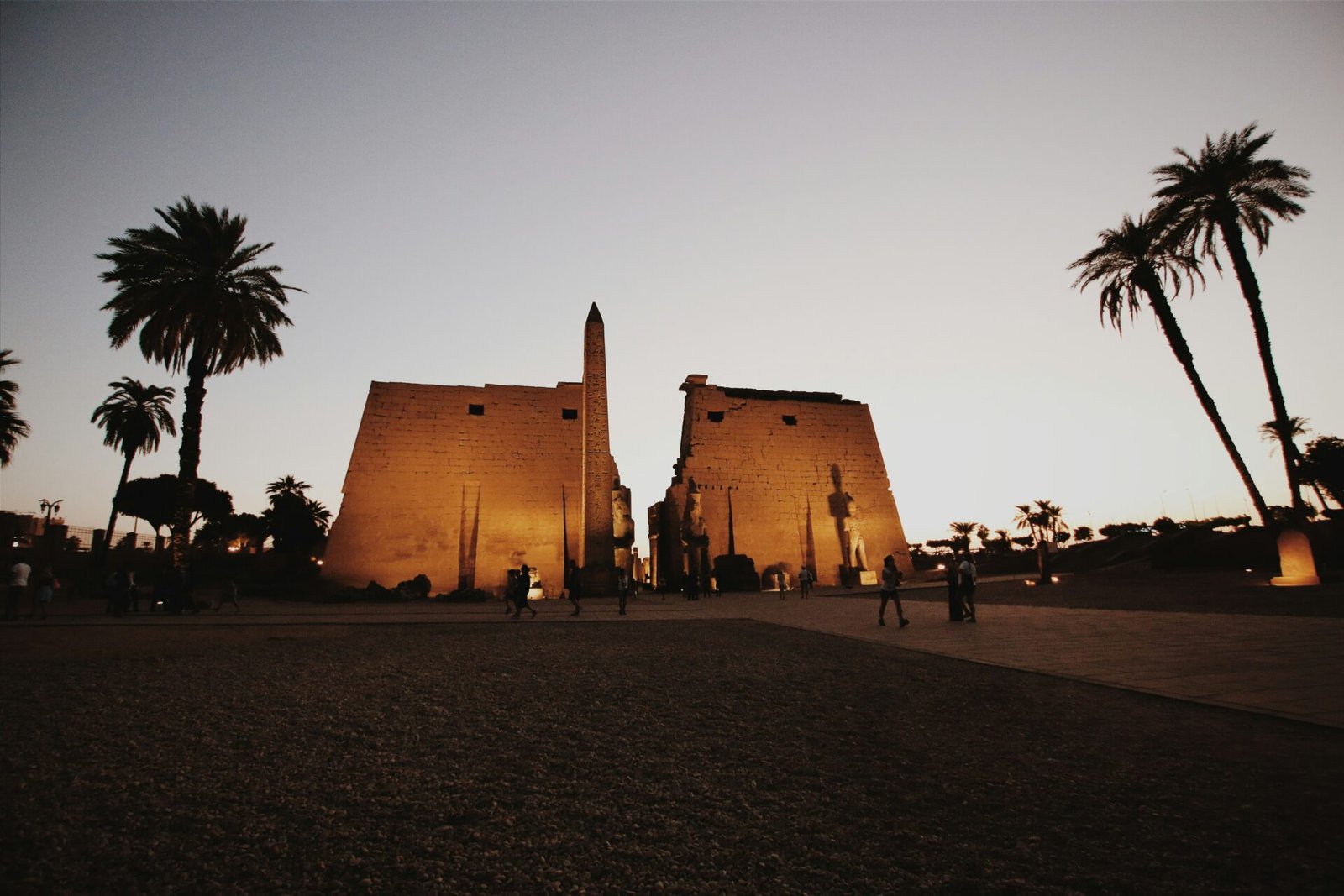
Visitors are greeted by towering obelisks and colossal statues of Ramses II. These testaments to royal magnificence create an atmosphere of awe. The outer court opens to an immense colonnade leading to a vast hypostyle hall.
Walking through the temple is a spiritual experience. Each hall and courtyard unveils stories from ancient times. The detailed carvings depict royal processions and scenes of divine rituals.
Unlike many temples dedicated only to gods, Luxor Temple also honors kingship. It symbolizes the eternal bond between the pharaohs and the divine. The architecture follows a unique axis, pointing towards Karnak, its northern neighbor.
A visit to Luxor Temple should include observing these key features:
-
- First Pylon: The entrance adorned with reliefs of Ramses II’s victories.
-
- Obelisks: One stands at Luxor, while its twin is in Paris’s Place de la Concorde.
-
- Colonnade of Amenhotep III: A series of towering columns with intricate hieroglyphs.
-
- Sanctuary of Amun: The inner sanctum used for worship and rituals.
-
- Birth Room: Illustrations of the divine birth of Amenhotep III.
-
- Avenue of Sphinxes: Connecting Luxor Temple to the Karnak Temple Complex.
The temple’s artistry and scale reflect the zenith of New Kingdom architecture. As the sun sets, its stones glow with ancient life, inviting visitors into a world long gone.
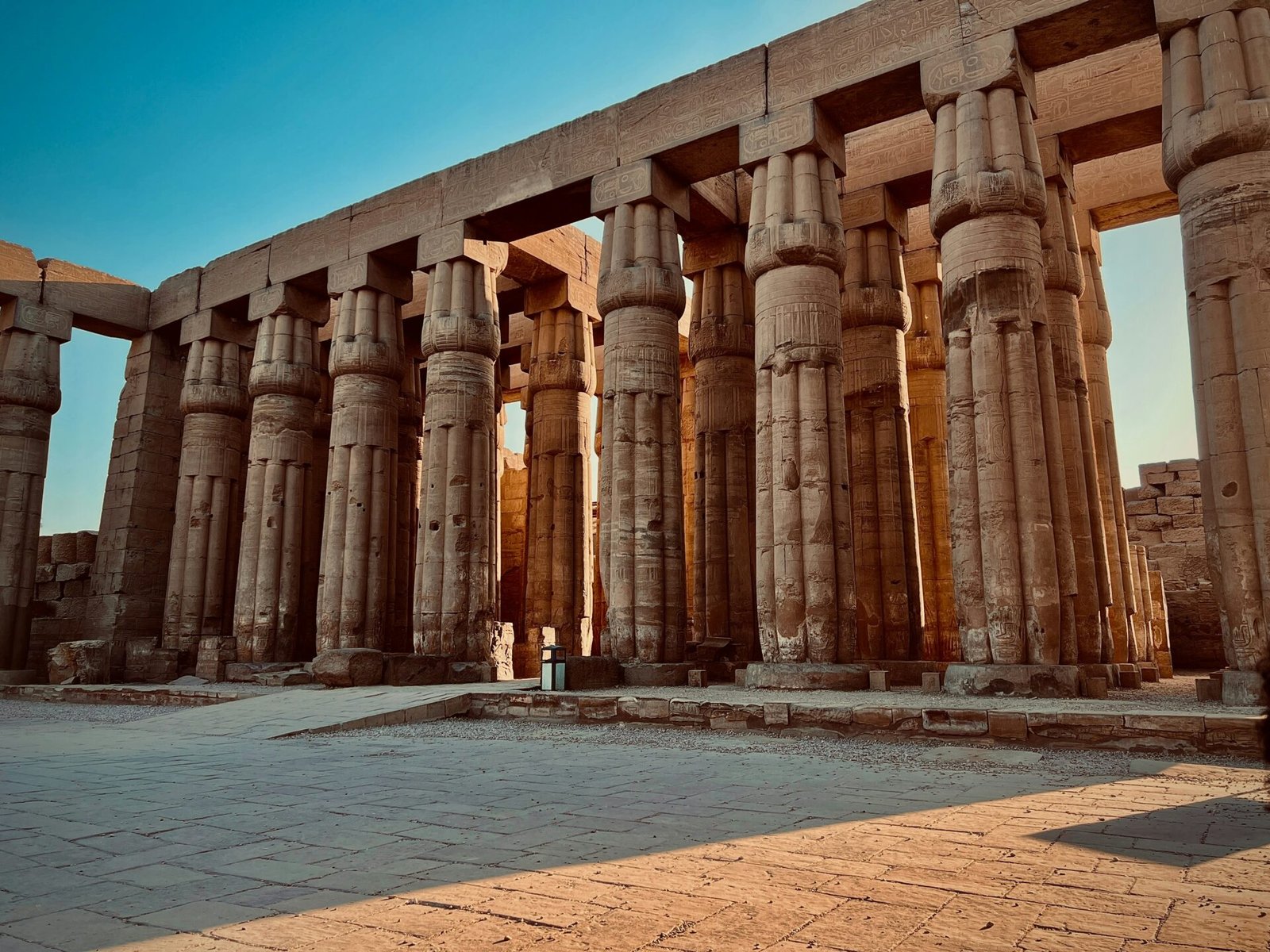
Today, the temple’s echoes of ancient chants remind us of its enduring spiritual significance. Visitors from around the globe come to witness its profound beauty. Each pillar, statue, and hieroglyph tells tales of greatness, ensuring the gods’ names live on.
Karnak Temple Complex: The Heart of Ancient Thebes
The Karnak Temple Complex is arguably the grandest temple in Egypt. It holds the title of one of the largest religious edifices ever built. Its construction spanned over a thousand years, reflecting countless generations of devotion.
Located in Thebes, present-day Luxor, Karnak was the center of worship for the god Amun. The site consists of several temples, chapels, and pylons. Each ruler of Egypt contributed to its development, leaving their indelible mark.
The Hypostyle Hall is a highlight with its forest of towering columns. Each column stands at 10 meters tall, adorned with intricate carvings. The hall covers over 54,000 square feet, offering a hint of Karnak’s original splendor.
Karnak was not just a religious hub but also a political one. Pharaohs sought to legitimize their rule by adding to its grandeur. This practice led to a variety of architectural styles coexisting harmoniously.
The complex is home to the Sacred Lake, used for ritualistic cleansing. It adds a layer of mystique and spiritual purity to the setting. Surrounded by lush palm trees, the lake reflects the timeless beauty of Karnak.
Walking through Karnak is akin to stepping back in time. The relentless chatter of tourists fades against the whisper of ancient winds. Histories etched in stone narrate tales of gods and mortals, intertwined through the ages.
A few key areas within Karnak deserve special attention:
-
- The Great Court: An awe-inspiring entrance surrounded by walls depicting Pharaoh Seti II.
-
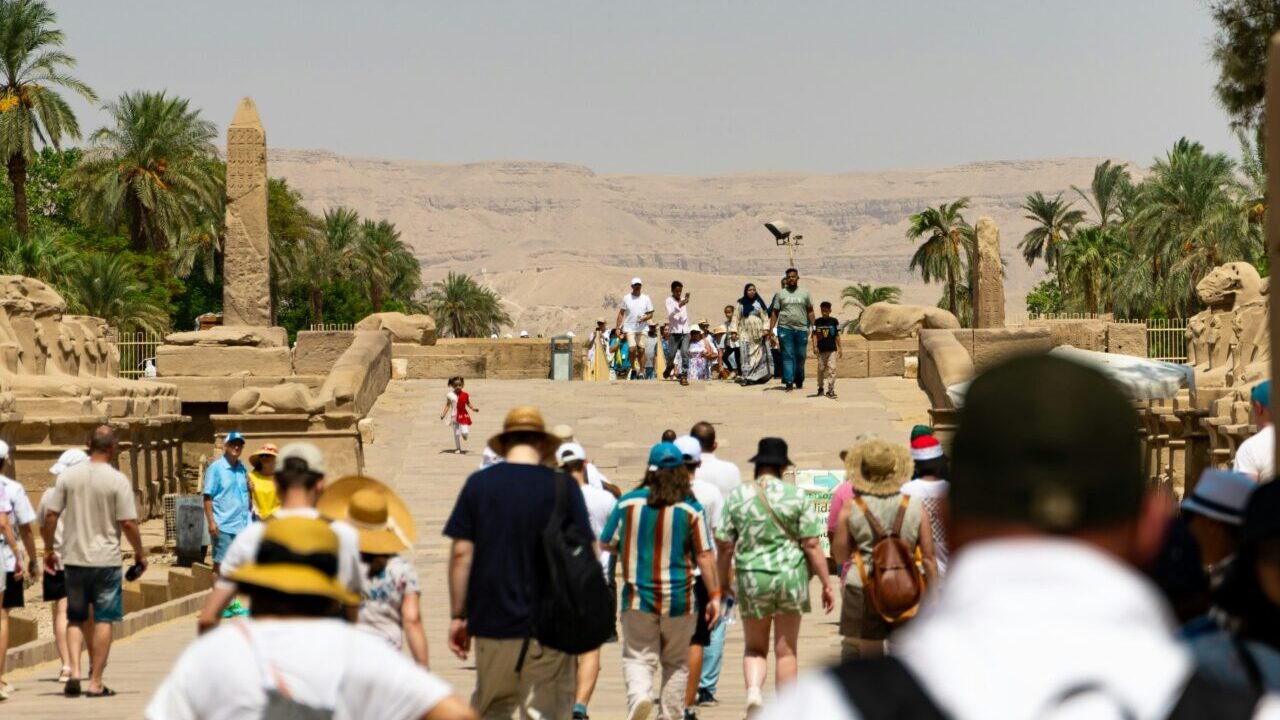
- Avenue of Sphinxes: The pathway guarded by ram-headed sphinxes connecting Karnak and Luxor Temples.
-
- Temple of Amun-Re: The principal part of the complex, dedicated to the god king.
-
- Temple of Khonsu: A smaller temple within Karnak dedicated to the moon god.
-
- Temple of Ptah: An understated yet critical part of the complex with exquisite decorations.
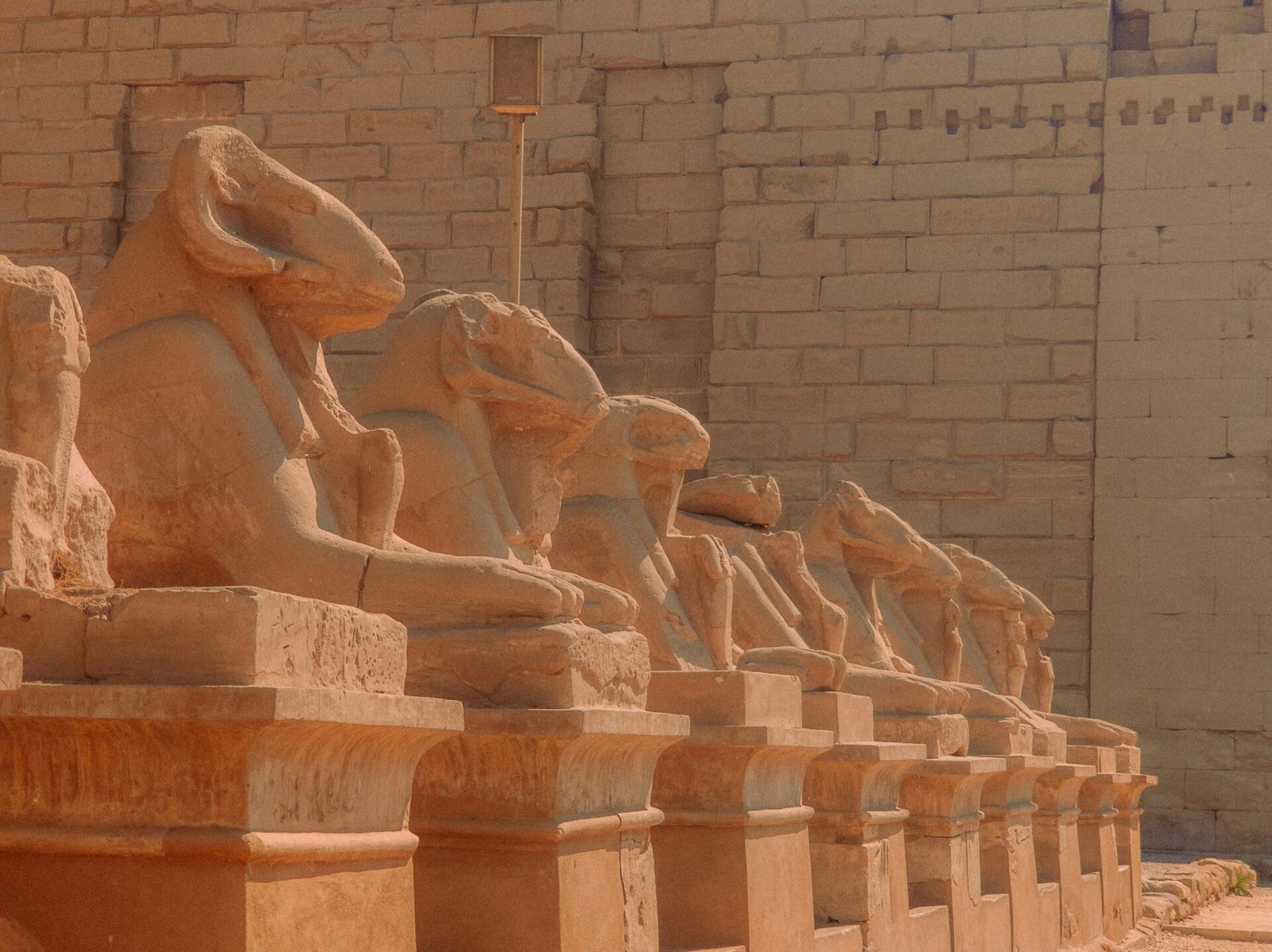
Karnak’s continued fascination lies in its architectural prowess and historical depth. Today, it captivates historians, architects, and curious travelers alike. Each element embodies Egypt’s commitment to divine legacy, standing the test of time.
Visiting Karnak is like reading chapters of an epic saga. It’s a reminder of human brilliance and the enduring power of belief. The complex’s endurance is a testament to the sheer ingenuity and dedication of the ancient Egyptians.
Other Must-See Ancient Sites in Luxor
Luxor is a treasure trove of ancient marvels beyond its famed temples and necropolises. Each site tells a unique story of Egypt’s glorious past. Exploring these sites offers an immersive step into a bygone era.
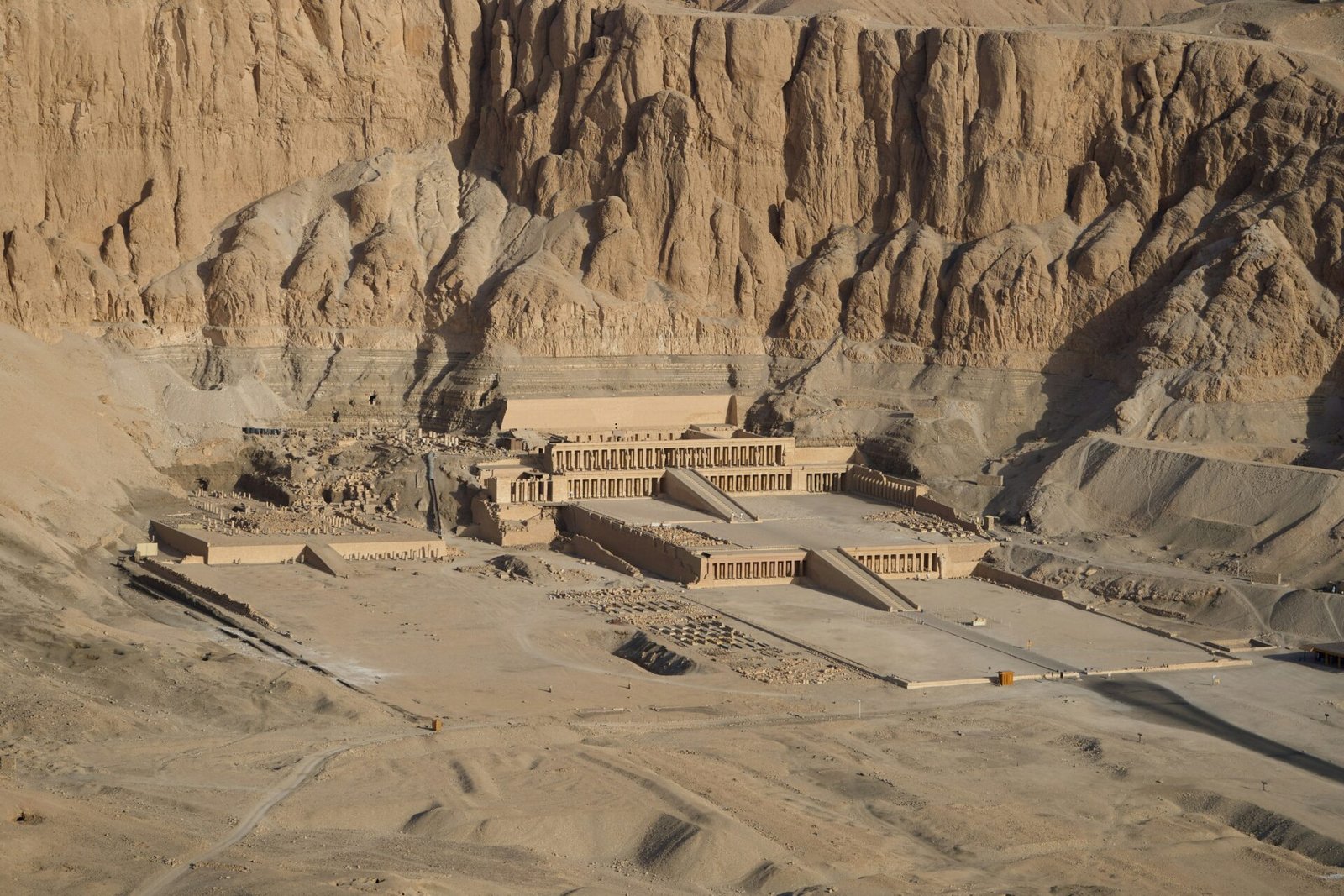
One must-visit location is the Mortuary Temple of Hatshepsut. Nestled beneath towering cliffs, this temple honors one of Egypt’s most successful pharaohs. Its terraces and ramps showcase impressive architectural innovation.
Nearby, the Colossi of Memnon stand as sentinels to the past. These massive stone statues once guarded the entrance to Amenhotep III’s temple. Weathered yet majestic, they are emblematic of artistic achievement.
Luxor is not confined to the grandeur of kings and gods. Sites like Deir el-Medina offer a glimpse into the lives of ancient artisans. This village housed the workers who crafted the tombs in the Valley of the Kings. Murals and ruins here illustrate the daily routines and beliefs of its inhabitants.
The Temple of Medinet Habu is another gem often overshadowed by its more famous neighbors. Built by Ramses III, it is a well-preserved example of New Kingdom architecture. Its walls are adorned with detailed depictions of conquest and divine rituals.
Luxor’s archaeological riches extend to the Theban Necropolis. This complex is a resting place for nobles and officials, each tomb a testament to their status. Their intricate decorations provide insight into ancient Egyptian beliefs about the afterlife.
The Avenue of Sphinxes, a sacred processional path, connects the temples of Luxor and Karnak. Nearly three kilometers long, it’s lined with hundreds of sphinx statues. Recent restoration efforts have resurrected its historic grandeur.
Some of the unmissable sites include:
-
- Mortuary Temple of Hatshepsut: Known for its unique structure and historical importance.
-
- Colossi of Memnon: Renowned for their size and mysterious singing at dawn.
-
- Deir el-Medina: Fascinating for its glimpse into artisans’ lives.
-
- Medinet Habu: Offers a vivid depiction of ancient warfare and worship.
-
- Theban Necropolis: A lesser-known but crucial burial site for Egyptian nobility.
As explorers wander these sites, they’re enveloped in an aura of antiquity. Each stone whispers tales from thousands of years ago, waiting to be heard. These sites are essential for any journey through Luxor, evoking wonder at Egypt’s storied history.
Recent Archaeological Discoveries Near Luxor
Luxor’s ancient soil continues to yield incredible secrets. Recent finds have shed new light on Egypt’s rich heritage. These discoveries continue to capture global attention.
In recent years, headlines such as ‘Egypt announces new discoveries near Luxor’ have captured attention. These finds include a ‘lost golden city,’ dating back over 3,000 years. This city thrived during the reign of Amenhotep III, offering fresh insights into that era.
Excavations have uncovered well-preserved streets, homes, and artifacts. These reveal the daily lives of its ancient inhabitants. Intricate pottery, tools, and jewelry have been among the remarkable finds.
Archaeologists have also discovered a network of tombs. These belonged to high-ranking officials and scribes. The tombs are adorned with vibrant murals depicting various aspects of life and beliefs at the time.
Such discoveries are not just historical treasures. They also underscore the skills and complexities of ancient Egyptian society. Ongoing explorations continue to provide valuable cultural understanding.
Highlights of these recent discoveries include:
-
- ‘Lost Golden City’: A well-preserved urban area providing clues into ancient daily life.
-
- Tombs of Officials: Beautifully decorated resting places of significant historical figures.
-
- Artifacts: Pottery, tools, and jewelry illustrating everyday life and craftsmanship.
These discoveries contribute to the allure of Luxor for tourists and scholars alike. They breathe life into a history that still captures the imagination. As research continues, Luxor’s past promises to reveal even more stories.
Experiencing Luxor from Above: Hot Air Balloon Rides
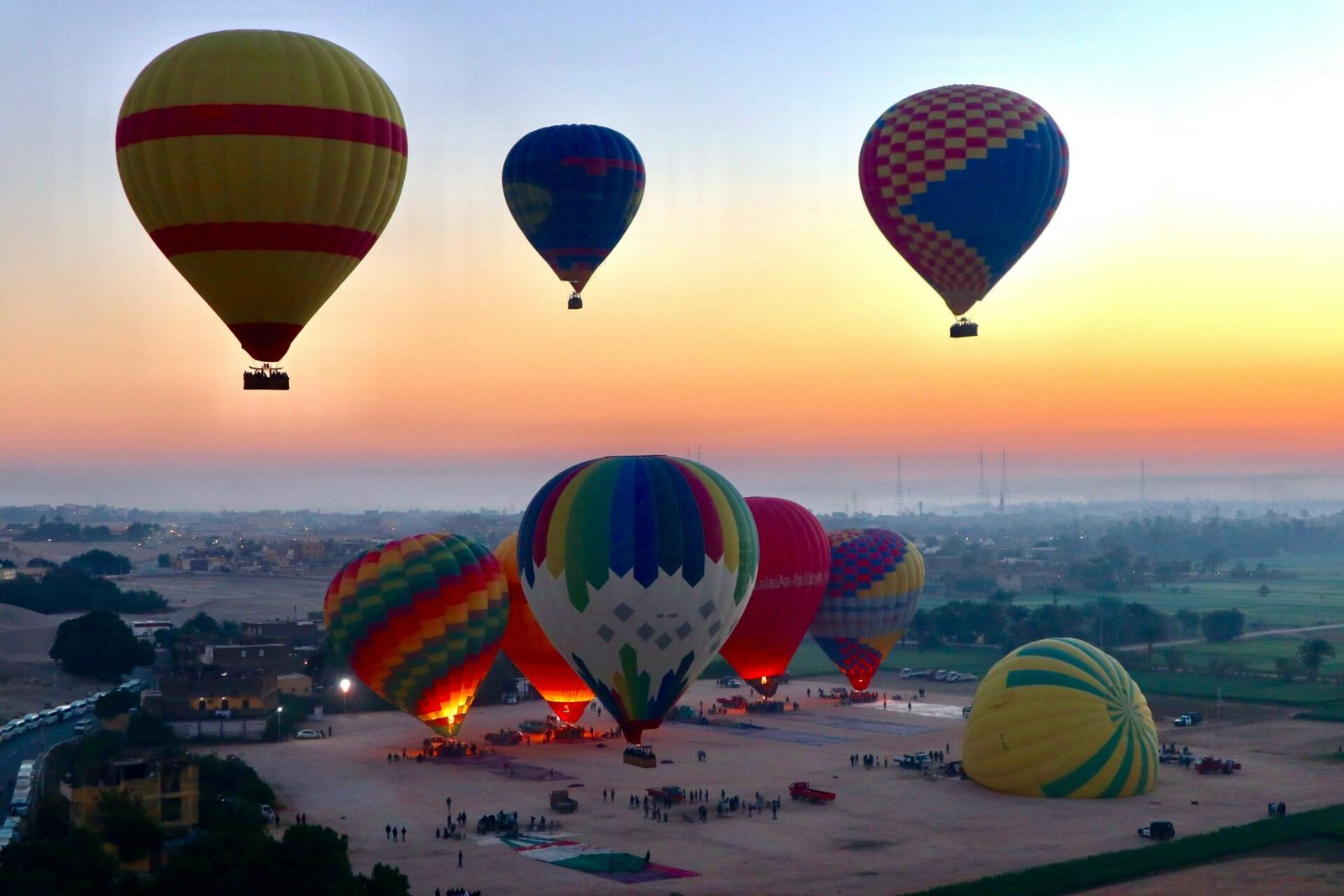
To truly appreciate Luxor’s vast landscapes, a hot air balloon ride is a must. Gliding over ancient sites offers a unique perspective. The experience is both serene and exhilarating.
As the balloon ascends, panoramic views of the Nile unfurl beneath. Vast temples and lush fields create a breathtaking panorama. Floating high above, the grandeur of ancient Luxor becomes even more evident.
These rides typically occur at sunrise. The early morning light casts a golden glow over the land. The scene feels almost otherworldly, with shadows accentuating the grandeur of the monuments.
Adventure seekers and serenity lovers alike will cherish this experience. It’s a perfect blend of peace and awe. Witnessing Luxor’s wonders from above is an unforgettable memory.
Notable sights from the balloon include:
-
- Valley of the Kings: A sweeping view of the pharaohs’ resting place.
-
- Temple of Luxor: Its majestic presence seen from a new angle.
-
- River Nile: The lifeblood of Egypt winding through the landscape.
Book early, as these rides are in high demand. They offer an unforgettable way to see Luxor’s treasures. Floating above such history, one can’t help but feel a deep connection to the past.
The Luxor Museum and Local Culture
The Luxor Museum is a treasure trove of history. It offers visitors a glimpse into ancient Egyptian life. The museum hosts a rich array of artifacts.
Among its highlights are the statues of the Pharaohs. These meticulously preserved pieces captivate historians and tourists alike. Each artifact tells its own story of Luxor’s illustrious past.
A newer addition to the museum is the collection of items from Tutankhamun’s tomb. These pieces connect visitors directly to the Valley of the Kings. Every exhibit furthers understanding of the ancient world.
Beyond just historical artifacts, the museum showcases local culture. This includes traditional craftwork and art. Modern and ancient influences meld beautifully here.
Immerse yourself in Luxor’s vibrant culture with:
-
- Traditional Music: Listen to local performances that showcase Egypt’s musical heritage.
-
- Art Exhibitions: Explore both ancient and contemporary Egyptian artwork.
-
- Cultural Workshops: Engage in activities like papyrus painting and alabaster carving.
A visit to the Luxor Museum deepens appreciation for Egypt’s legacy. It provides context to the staggering monuments seen outside. Understanding the artifacts of the past adds layers to Luxor’s majestic aura.
Weather in Luxor, Egypt: What to Expect
Luxor’s climate is typically hot and arid. It experiences very little rainfall throughout the year. The sun shines brightly most days.
If you’re checking Egypt weather Luxor forecasts, you’ll often see long stretches of clear skies and high temperatures. Summers in Luxor can be intense. Temperatures soar above 40°C (104°F). Air conditioning becomes essential for comfort during these months.
Winters, however, offer mild relief. From October to April, temperatures dip to a more comfortable range. This is considered the best time to visit.
Planning your trip involves considering seasonal weather variations:
-
- Summer (May to September): Extremely hot; limited outdoor activities during peak heat.
-
- Winter (October to April): Pleasant temperatures, ideal for exploring and sightseeing.
-
- Rainfall: Minimal, with sporadic showers during rare rainy days.
Being prepared for Luxor’s climate enhances your visit. It’s wise to dress in light, breathable fabrics. Staying hydrated is crucial under the Egyptian sun.
Planning Your Visit: When to Go and How to Get There
Planning your trip to Luxor requires careful timing. The best months to visit are from October to April, when the weather is cooler. During these months, sightseeing is more comfortable.
Luxor’s accessibility is a significant advantage for travelers. The city is served by the Luxor International Airport. Direct flights from major hubs like Cairo make travel smooth.
There are multiple transportation options available to reach Luxor. You can choose to fly directly or opt for a scenic Nile cruise. Trains and buses also connect Luxor to other Egyptian cities.
Here are some travel options to consider:
-
- Flights: Reach Luxor via its international airport, with connections from Cairo.
-
- Nile Cruises: Enjoy a picturesque journey by river from Aswan or Cairo.
-
- Trains: A cost-effective option; regular services run from Cairo and Alexandria.
-
- Buses: Another economical choice with less frequent schedules but extensive routes.
Once in Luxor, local transportation is well-organized. Consider hiring a car for flexibility, or use taxis for shorter trips. Familiarize yourself with the public transportation schedules for ease in getting around.
Where to Stay: Accommodation Options in Luxor
Luxor boasts a wide range of accommodations suited to every traveler’s needs. From luxurious resorts to budget-friendly hostels, there’s something for everyone. The variety ensures you can find your perfect resting spot.
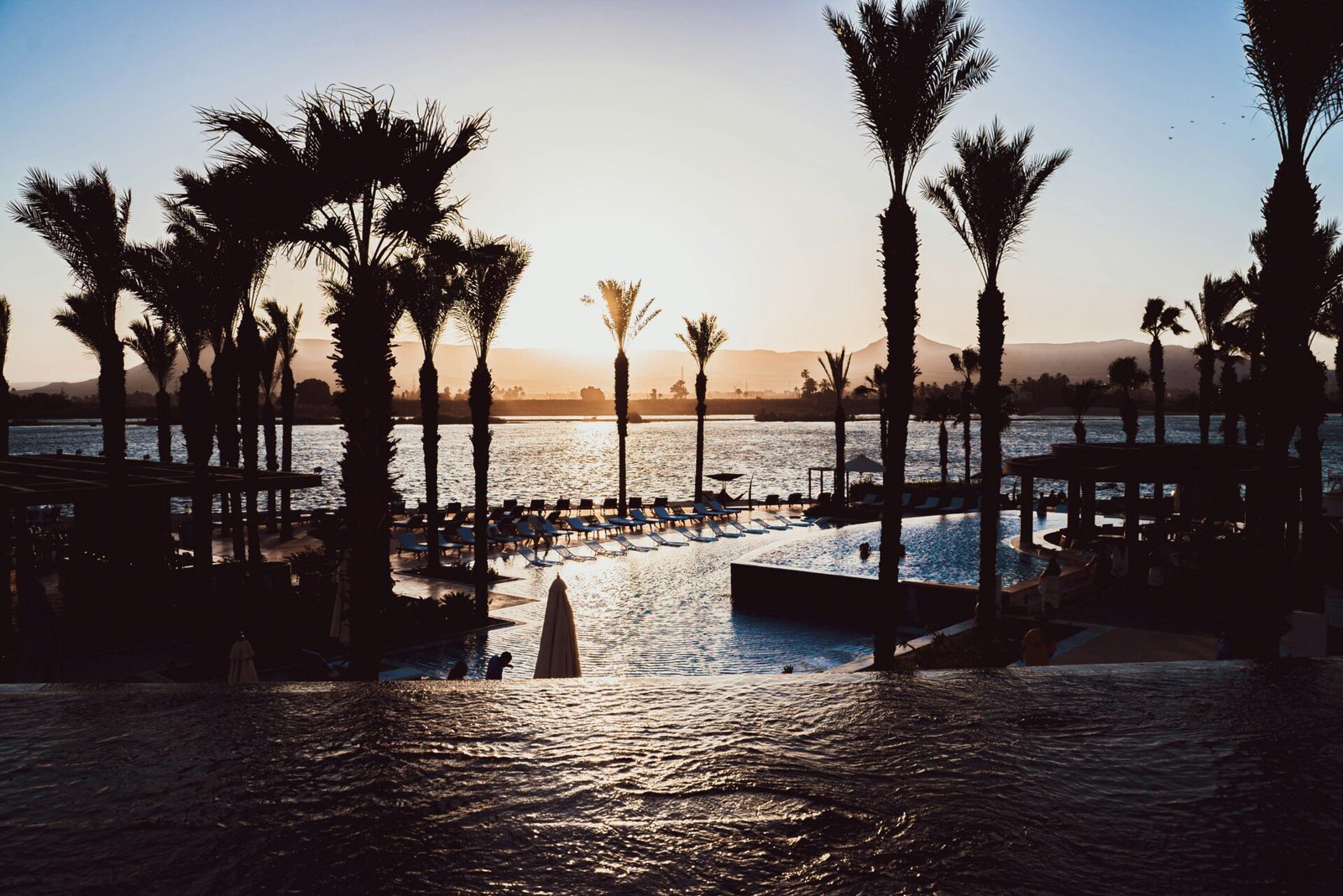
For those seeking luxury, several top-end hotels provide lavish amenities and stunning views. These hotels often feature pools and spas, enhancing the relaxation of your stay. Luxor’s hospitality industry prioritizes comfort and elegance.
Travelers on a budget are also catered for. Numerous affordable guesthouses and hostels offer comfortable lodgings. These are great for backpackers or those wishing to save on accommodation to spend more on experiences.
Consider these options for your stay in Luxor:
-
- Luxury Resorts: Enjoy top-notch service and exquisite facilities.
-
- Boutique Hotels: Experience personalized service and unique decor.
-
- Guesthouses and Hostels: Perfect for budget-conscious travelers and backpackers.
When booking, consider the location relative to the sites you wish to visit. Staying near the Nile can offer scenic views and convenient access to major attractions.
Food and Drink: Tasting Luxor’s Local Flavors
Luxor is not just a feast for the eyes but also for the taste buds. The local cuisine offers a delightful mix of flavors that captivate visitors. Traditional Egyptian dishes feature prominently on menus throughout the city.
A staple in Egyptian cuisine is koshari, a hearty mix of rice, lentils, and pasta topped with spicy tomato sauce. This dish is both delicious and filling, a favorite among locals. For a quick snack, try falafel served in pita bread.
Dining in Luxor offers more than just meals; it’s an experience. Many restaurants feature alfresco dining, where you can enjoy flavorful dishes under the starry sky. The ambiance complements the rich tastes.
Here are some traditional dishes to sample:
-
- Ful Medames: Cooked fava beans with olive oil and spices.
-
- Molokhia: A green leafy soup cooked with chicken or rabbit.
-
- Shawarma: Grilled meat wrapped in flatbread with salad.
Vegetarians will find plenty of flavorful options. Lentil-based dishes and seasonal vegetables frequently make appearances. The city caters to diverse dietary needs.
Shopping and Souvenirs: Markets of Luxor
The markets of Luxor are brimming with vibrant sights and sounds. Each stall offers a glimpse into Egyptian culture. Browsing these markets is an experience in itself.
Luxor’s bazaars are perfect for finding unique souvenirs. From handcrafted jewelry to colorful textiles, there’s something for everyone. Artisans skillfully produce items that reflect local traditions.
Visitors can find a variety of products to bring home:
-
- Papyrus Art: Traditional scenes painted on ancient-like paper.
-
- Alabaster Sculptures: Hand-carved statues depicting pharaohs and deities.
-
- Spices and Teas: Aromatic blends that capture the essence of Egypt.
When shopping, don’t hesitate to haggle respectfully. It is common practice and part of the local culture. Enjoy the bustling atmosphere and friendly exchanges.
Practical Tips for Visiting Luxor
Planning ahead can greatly enhance your Luxor experience. Knowing some practical tips can make your journey smooth and enjoyable. Preparation ensures you make the most of your trip.
Start with an understanding of local customs. Respectful attire is recommended, especially when visiting religious sites. Light, breathable clothing is ideal due to the warm climate.
For a hassle-free experience, consider the following tips:
-
- Hydrate Regularly: The weather can be hot, so carry water.
-
- Sunscreen and Hats: Protect yourself from the intense sun.
-
- Local Currency: Have Egyptian pounds for small purchases and tips.
Transportation around Luxor is straightforward. Taxis, buses, and horse-drawn carriages, known locally as ‘caleches,’ are available. Renting a bike can also be a relaxing way to explore.
Remember to stay respectful and enjoy the local hospitality. Every interaction enhances your understanding of this rich cultural destination.
Festivals, Events, and Modern Luxor
Luxor is not just about ancient wonders. The city hosts vibrant festivals and events that showcase its lively spirit. These events attract visitors from around the world and provide a modern twist to this historic city.
The Luxor African Film Festival is a major highlight. Filmmakers and enthusiasts gather here annually to celebrate African cinema. It adds a contemporary cultural layer to Luxor’s historic backdrop.
Here’s a glimpse of what you can experience:
-
- Luxor African Film Festival: Celebrating cinema each March.
-
- Abu Simbel Sun Festival: Witness the magic of ancient Egyptian engineering.
-
- Luxor International Marathon: Race through ancient history each January.
Modern Luxor also offers a bustling street life. Cafes, markets, and shops bustle with local flavors and goods. The city’s vibrant energy can be felt in every corner, blending history with modern life seamlessly.
Skip The Hassle with Easy Transfer 24/7
Planning a trip to Luxor’s vast archaeological sites can be overwhelming. Navigating local transportation, deciphering ticketing, and scheduling visits require significant time and effort. This is where booking a structured excursion becomes invaluable.
Choosing a professional service like Easy Transfer 24/7 takes the stress out of your Egyptian adventure. They specialize in organizing seamless itineraries, allowing you to focus entirely on the experience. From coordinating domestic flights to providing private, air-conditioned transfers, every logistical detail is expertly handled.
A major advantage of these tours is the unparalleled expertise of their guides. Exploring sites like Karnak Temple or the Valley of the Kings with a private, English-speaking Egyptologist brings the ruins to life. They offer deep historical context and fascinating stories that you simply cannot get from a standard guidebook.
Whether you are based in Cairo and looking for a comprehensive day trip by air, or you want a tailored itinerary once you arrive in Luxor, these packages offer ultimate flexibility. Many tours thoughtfully include all entrance fees, guided walks, and even lunch at local restaurants, leaving you with zero hidden surprises.
Opting for a guided tour ensures you maximize your time without the usual travel friction. It guarantees peace of mind, ensuring you can fully immerse yourself in the wonders of the ancient pharaohs.
Key benefits of booking with Easy Transfer 24/7 include:
-
- All-Inclusive Logistics: Enjoy pre-arranged domestic flights, hotel pickups, and modern air-conditioned transport.
-
- Expert Knowledge: Navigate complex historical sites with a professional Egyptologist guide.
-
- Time Efficiency: See top attractions across the East and West Banks in a single, well-paced day.
-
- Zero Hidden Fees: Entrance tickets, taxes, and even bottled water and lunch are typically included.
-
- Peace of Mind: Benefit from reliable support, flexible booking options, and a worry-free travel environment.
Fill the form and get in touch from HERE to begin creating your tour itinerary with Cairo Day Tours.
Conclusion: Why Luxor Should Be on Your Bucket List
Luxor, Egypt, is a destination like no other. The city’s breathtaking blend of history, culture, and beauty captivates all who visit. From ancient temples to vibrant bazaars, there’s something for everyone.
The city’s archaeological riches offer deep insights into ancient Egypt. Sites such as Karnak and the Valley of the Kings astonish history buffs and casual visitors alike. Every monument has its own story, waiting to be explored.
Yet, Luxor is more than its past. It is a city alive with festivals, food, and cultural vibrancy. These modern touches make it a must-visit destination for travelers. Add Luxor to your travel plans, and prepare for an unforgettable journey.
Q&A
Question: Why is Luxor called the “world’s greatest open-air museum”?
Short answer: Because the city—ancient Thebes—concentrates an extraordinary number of well-preserved temples, tombs, and monuments in the open, showcasing Egypt’s New Kingdom glory. Highlights include the Valley of the Kings, the Temple of Luxor built by Amenhotep III and Ramses II, and the sprawling Karnak Temple Complex, once the heart of Theban religious life. Recognized as a UNESCO World Heritage site, Luxor’s ruins vividly narrate tales of gods, kings, and monumental achievements, essentially turning the city itself into a vast, accessible museum.
Question: What ancient sites in Luxor are unmissable, and what makes each special?
Short answer:
-
- Valley of the Kings: Royal necropolis on the West Bank with over 60 rock-cut tombs, including Tutankhamun’s, famed for vibrant art depicting the journey to the afterlife.
-
- Temple of Luxor: A grand riverside temple dedicated to Amun, begun by Amenhotep III and completed by Ramses II; known for colossal statues, a colonnade, and the Avenue of Sphinxes link to Karnak.
-
- Karnak Temple Complex: One of the largest religious sites ever built, featuring the vast Hypostyle Hall and Sacred Lake; many pharaohs added to it over a millennium.
-
- Mortuary Temple of Hatshepsut: Striking terraces beneath cliffs, honoring one of Egypt’s most successful pharaohs.
-
- Colossi of Memnon, Deir el-Medina, Medinet Habu, and the Theban Necropolis: Together, they reveal royal grandeur, artisans’ daily lives, and detailed beliefs about the afterlife.
Question: When is the best time to visit Luxor, and how should I prepare for the weather?
Short answer: Visit from October to April, when temperatures are milder and sightseeing is more comfortable. Luxor’s climate is hot and arid, with summer highs often exceeding 40°C (104°F). Dress in light, breathable clothing, wear hats and sunscreen, hydrate regularly, and choose respectful attire—especially at religious sites.
Question: How do I get to Luxor and get around once there?
Short answer: Luxor is easily reached via Luxor International Airport, with convenient connections from Cairo. You can also arrive by scenic Nile cruise (from Aswan or Cairo), as well as by train or bus from major Egyptian cities. In town, taxis, buses, and horse-drawn carriages (caleches) are common; renting a car or even a bike adds flexibility for exploring.
Question: What unique experiences—and recent discoveries—add to Luxor’s appeal today?
Short answer: At sunrise, hot air balloon rides offer serene, panoramic views of the Nile, the Valley of the Kings, and temple complexes. The Luxor Museum deepens context with statues, artifacts, and items linked to Tutankhamun, while cultural workshops, music, and markets (papyrus art, alabaster, spices, and teas) showcase living traditions. Ongoing archaeology—such as the recently uncovered “lost golden city” from Amenhotep III’s time, decorated officials’ tombs, and everyday artifacts—continues to reveal how ancient Egyptians lived, keeping Luxor’s story dynamic and ever-evolving.