
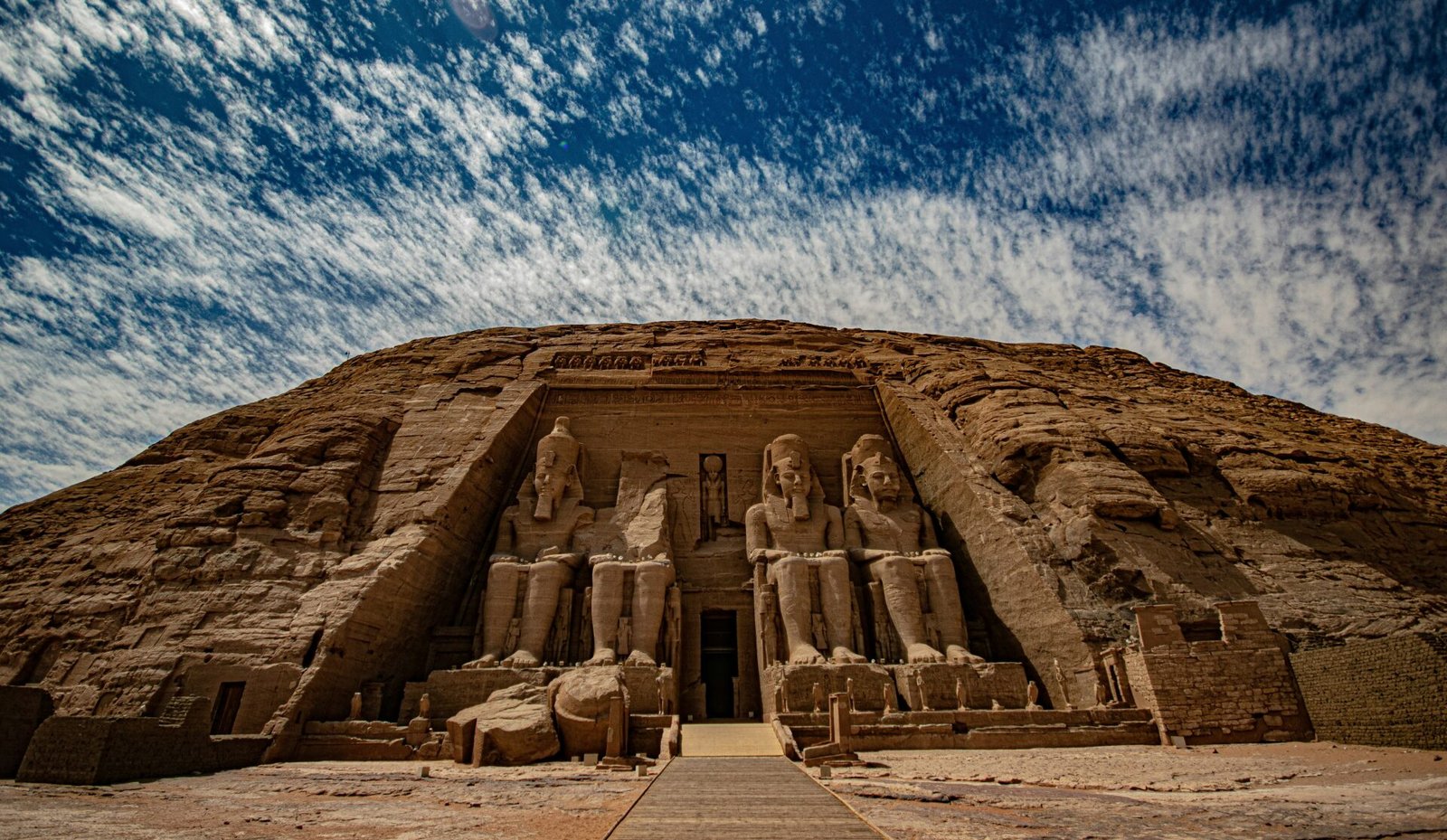
Aswan, a gem in southern Egypt, beckons travelers with its rich tapestry of history and culture. Nestled along the Nile, this city offers breathtaking views and ancient wonders.
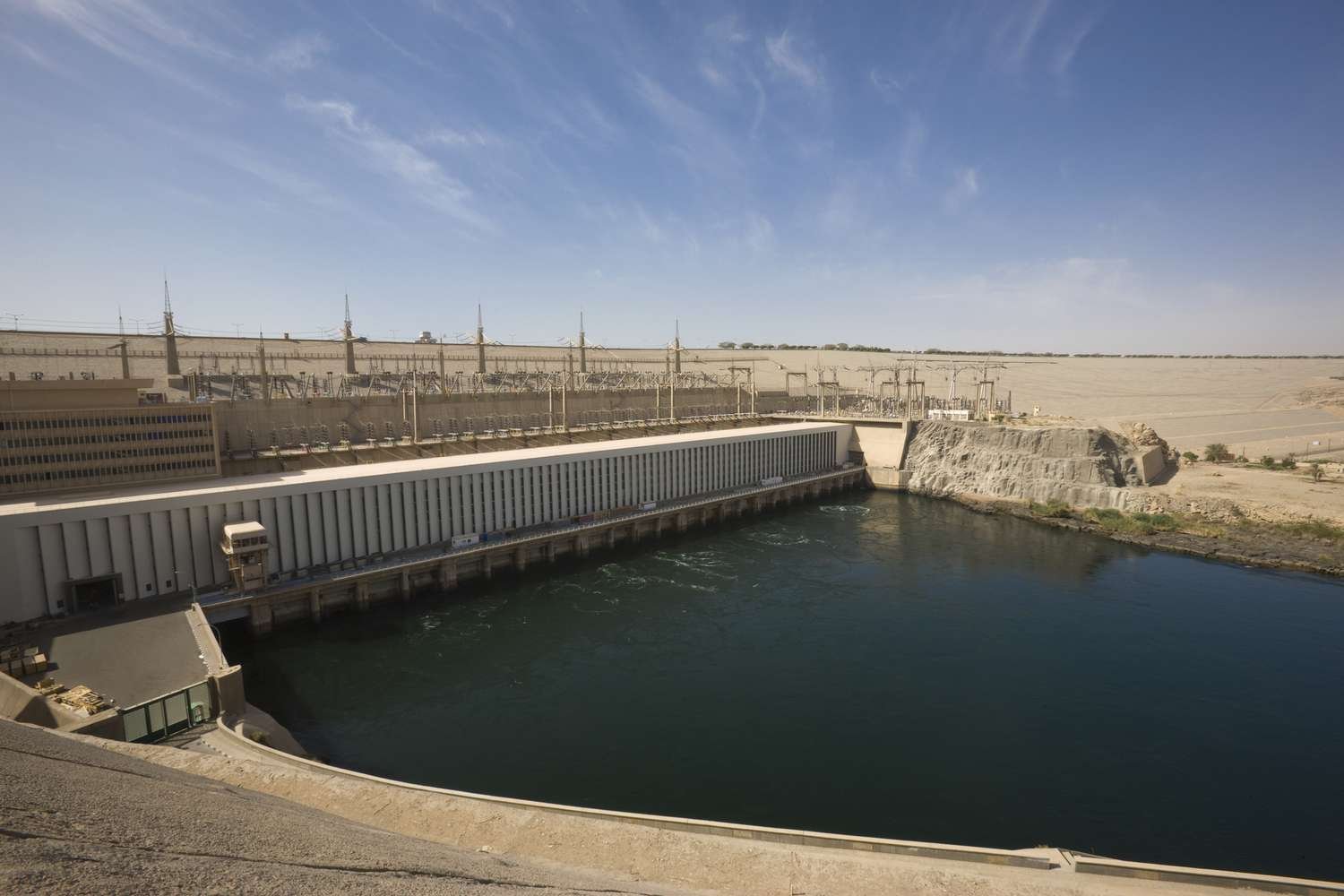
The Aswan High Dam stands as a testament to human ingenuity. It tames the mighty Nile, providing power and irrigation.
Nearby, the 4000 year old tombs whisper tales of ancient nobility. These tombs reveal the artistry and beliefs of a bygone era.
Elephantine Island, a short boat ride away, is steeped in legend. Its ruins and Nubian village offer a glimpse into the past.
Aswan’s granite quarries have shaped Egypt’s iconic monuments. The Unfinished Obelisk remains a marvel of ancient engineering.
The city is a gateway to Nubian culture, with vibrant villages and colorful traditions. Visitors are welcomed with warmth and hospitality.
Aswan’s markets buzz with life, offering spices and crafts. The local cuisine is a delightful blend of Egyptian and Nubian flavors.
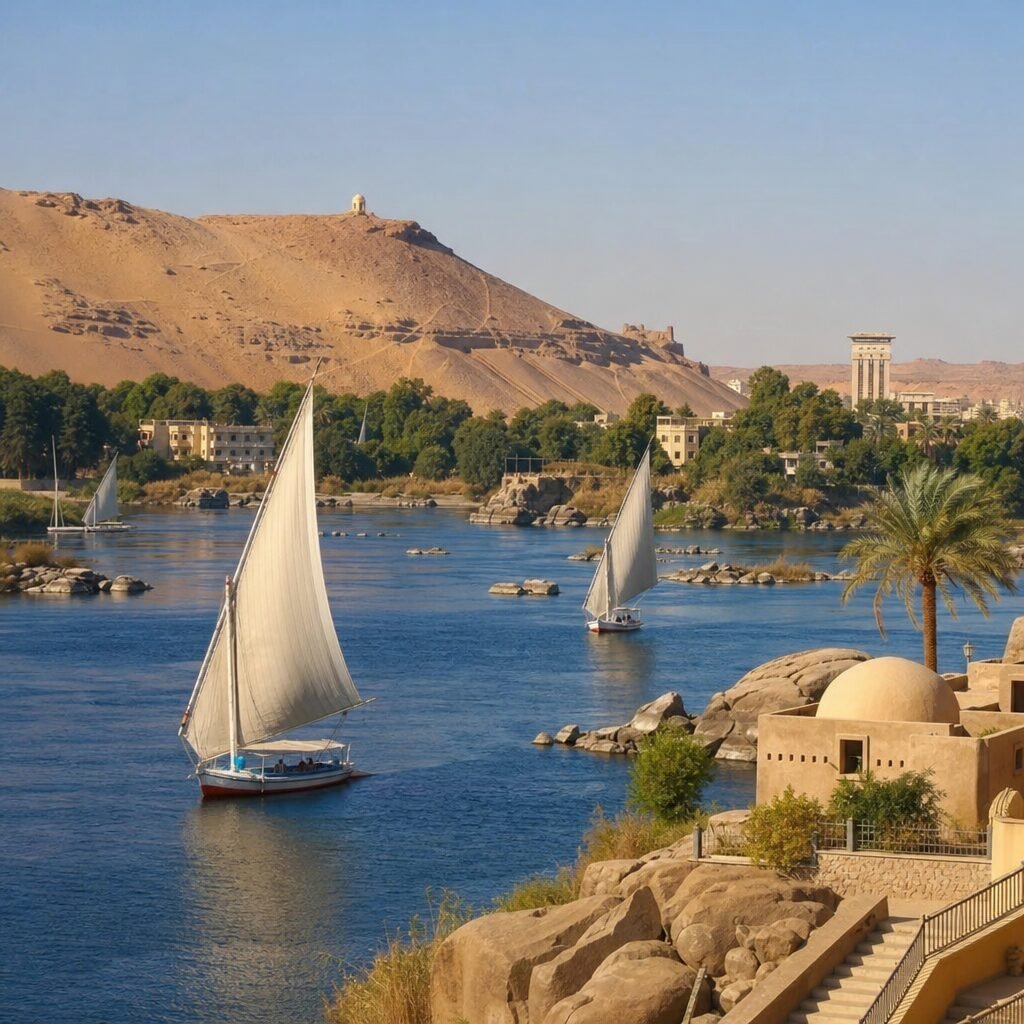
Aswan: Gateway to the Ancient South
Aswan sits at a crossroads of history and modernity, serving as the gateway to Egypt’s enchanting ancient south. Its strategic location along the Nile has enriched its cultural fabric over centuries.
The city’s vibrant markets reflect its diverse heritage. Here, you can discover handmade Nubian crafts and fragrant spices. Wandering these bustling markets is an experience in itself.
It’s ancient quarries once supplied granite for Egypt’s iconic statues and temples. Today, visitors can explore the remnants of these quarries, marveling at their historical significance.
In the city, the Old Cataract Hotel stands majestically. This historic landmark offers stunning Nile views and echoes of a glamorous past. The hotel inspired famed writers and artists, adding to its charm.
Aswan’s proximity to significant archaeological sites enhances its allure. Travelers can quickly reach the likes of Abu Simbel and Philae Temple. Such sites offer insights into Egypt’s grand history.
Below are key highlights:
-
- The bustling Aswan markets
-
- The monumental High Dam
-
- Ancient quarries and the Unfinished Obelisk
-
- Scenic Nile River cruises
-
- Nubian cultural experiences and traditional villages
These aspects make Aswan an essential stop for any Egyptian journey. Its historical depth and vibrant present offer something for every traveler. Whether you’re a history enthusiast or simply seeking tranquility by the Nile, Aswan will captivate you.
The diversity of experiences available there ensures that all travelers find something to appreciate. Its stunning landscapes and historical treasures enchant all who visit.
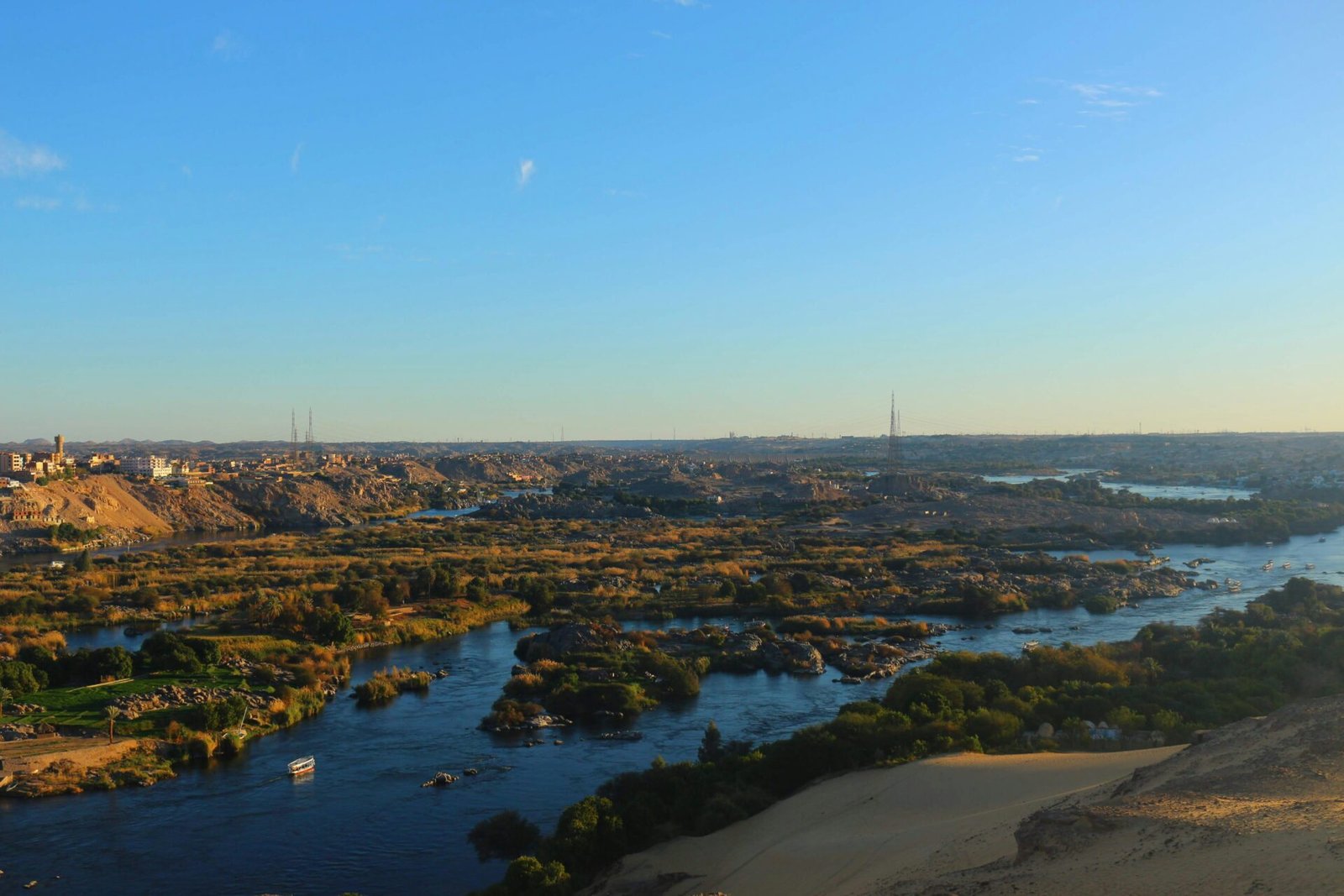
The History and Significance of Aswan
Aswan’s history is a tapestry woven with tales of ancient civilizations. It has long stood as a sentinel of Southern Egypt. Its role as a cultural and economic hub dates back millennia.
Located at the first cataract of the Nile, Aswan marked the border with Nubia. This strategic position made it a bustling trade center. Goods from Africa flowed through its markets in antiquity.
Pharaohs relied on Aswan’s granite for their ambitious building projects. The quarries provided the stone for many of Egypt’s grand monuments. These quarries were essential to Egypt’s architectural feats.
Aswan’s significance extends beyond trade and resources. The city is a doorway to understanding both Egyptian and Nubian history. It’s a place where two rich cultures intertwine.
Today, remnants of Aswan’s past serve as a testament to its storied history. From ancient temples to royal tombs, visitors can walk in the footsteps of history.
Key historical sites and their importance include:
-
- Elephantine Island: The island of legends and ruins
-
- Philae Temple: Dedicating a sacred site to the goddess Isis.
-
- Unfinished Obelisk: Demonstrating ancient stone-working techniques.
-
- Tombs of the Nobles: Insight into the burial practices of ancient elites.
-
- Nubian Museum: Showcasing the rich tapestry of Nubian heritage.
Each site contributes to a deeper understanding of Aswan’s role in history. Visiting them offers a glimpse into the lives of those who walked these lands thousands of years ago.
Aswan’s historical significance is undeniable. The city’s legacy as a cultural and economic powerhouse continues to draw visitors from around the world.
The Aswan High Dam: An Engineering Marvel
The Aswan High Dam is among the most renowned engineering feats globally. Completed in 1970, it transformed the Egyptian landscape. This colossal structure reshaped the relationship with the Nile.
Before the dam, the Nile’s flooding was unpredictable. Seasonal floods often brought chaos and destruction. The Aswan High Dam brought much-needed control over these waters.
The dam’s construction created Lake Nasser, one of the world’s largest artificial lakes. This reservoir stretches into Sudan, significantly impacting regional ecosystems. Its creation had both positive and complex effects.
Electricity generation is one of the dam’s great boons. Hydro-power from the dam supports Egypt’s growing energy needs. It powers homes, industries, and fosters development throughout the nation.
However, the dam also submerged significant archaeological sites. To preserve these sites, international efforts were undertaken. This led to the relocation of numerous historical treasures, including the Philae Temple.
A visit to Aswan offers a unique perspective on engineering marvels. Key aspects of the Aswan High Dam include:
-
- Construction: Completed in 1970 after years of intensive work.
-
- Lake Nasser: Now a haven for fishing and bird-watching.
-
- Hydroelectric Power: Producing substantial electricity for Egypt.
-
- Environmental Impact: Changed ecosystems, creating new challenges.
-
- Archaeological Preservation: Spurred major global preservation efforts.
Seeing the dam today highlights the blend of old and new. It embodies a pivotal moment in Egypt’s ongoing story. The Aswan High Dam stands tall as a testament to human ingenuity.
This monumental structure offers both utility and historical intrigue. It defines the region while inviting exploration and reflection.
The 4000 Year Old Aswan Tombs: Echoes of the Past
Aswan is home to some of Egypt’s most intriguing ancient relics. Among these are the famous 4000 year old Aswan tombs. Often referred to as the Tombs of the Nobles, these tombs provide a fascinating glimpse into ancient Egyptian society.
These burial sites belonged to regional governors and officials. Their elaborate decoration speaks volumes about their status. Intricate carvings and vivid paintings cover the walls.
Exploring these tombs, visitors encounter depictions of daily life. Scenes of hunting, feasting, and religious rituals adorn them. They reveal a civilization rich in culture and complexity.
The tombs are located along the west bank of the Nile. This was a deliberate choice, linked to their spiritual beliefs. The west bank was traditionally the side of the dead.
With so many stories etched in stone, the tombs act as historical archives. They capture aspects of life that documents cannot convey. Exploring them feels like stepping back in time.
Noteworthy features of the 4000 year old Aswan tombs include:
-
- Architectural Design: Constructed into cliffs overlooking the Nile.
-
- Artistic Details: Intricate frescoes and hieroglyphics covering walls.
-
- Cultural Insights: Insights into customs, clothing, and daily activities.
-
- Spiritual Significance: Location and orientation linked to afterlife beliefs.
-
- Prominent Figures: Belong to key figures in ancient Egyptian governance.
Each tomb tells a unique tale from Egypt’s storied past. They offer us insights into a lost world, connecting us to history long gone. Visiting these tombs is an unforgettable experience for any traveler drawn to history.
Elephantine Island: The Island of Legends and Ruins
Elephantine Island rests peacefully in the Nile near Aswan. This tiny island is steeped in history and myth. It serves as a gateway to explore ancient Egyptian traditions.
For centuries, Elephantine was a border town. It acted as a defense against Nubia. This strategic position contributed to its rich history.
The island is renowned for its archaeological significance. Ancient ruins scatter its landscape, waiting to be discovered. These remnants provide clues about ancient Egypt’s intricate past.
Among the ruins are ancient temples and dwellings. These structures are centuries old, yet they still stand. Walking among them feels surreal.
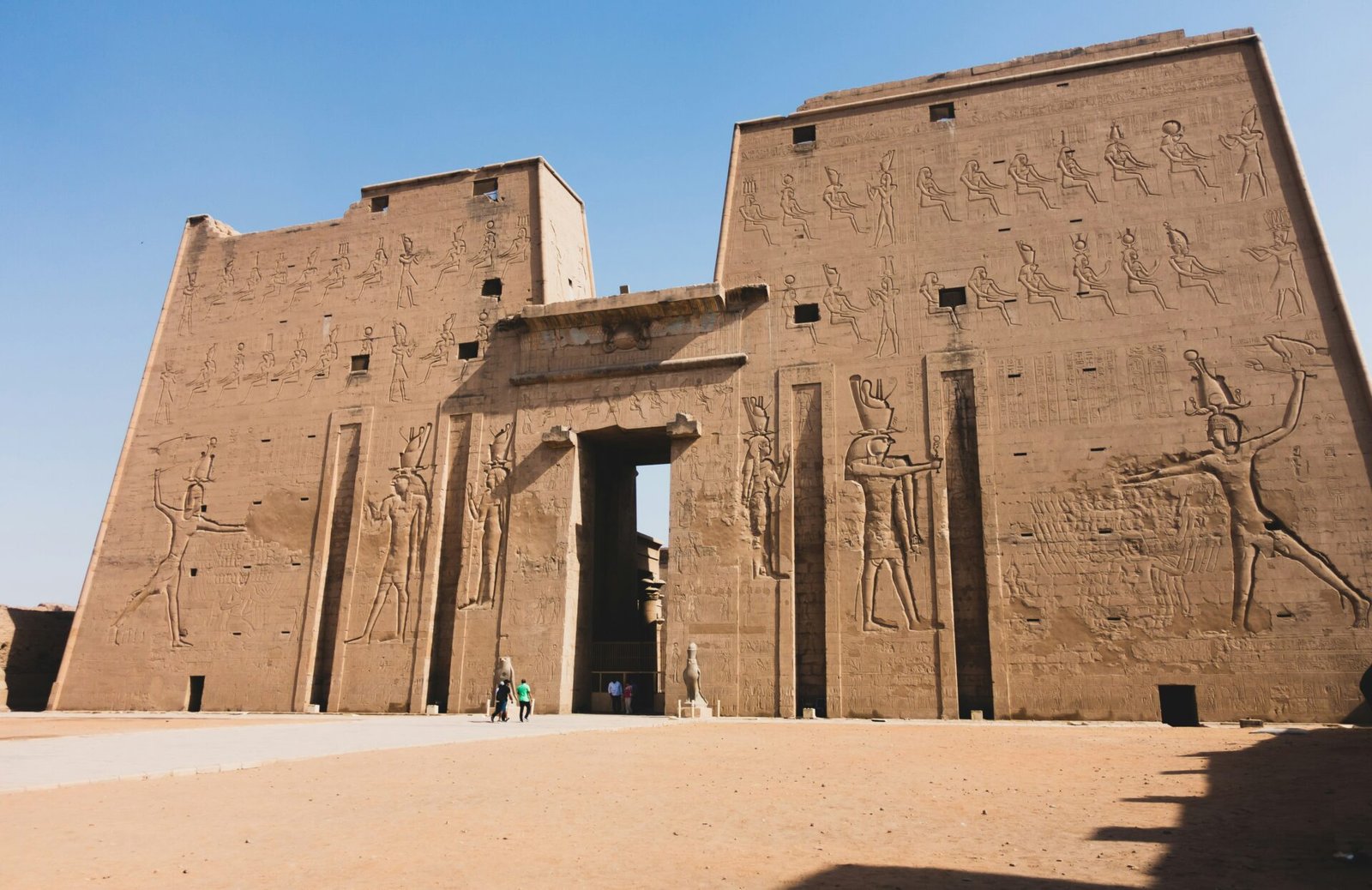
Elephantine was also a center for the god Khnum’s worship. The Khnum Temple complex is a major attraction. It showcases the artistry and spiritual practices of the era.
The island is home to a vibrant Nubian village today. It offers visitors a blend of modern and historical. The colorful houses and warm hospitality enhance any visit.
Highlights of visiting Elephantine Aswan include:
-
- Archaeological Sites: Explore extensive ancient ruins.
-
- Khnum Temple: Marvel at its ancient splendor.
-
- Nubian Village: Experience vibrant culture and traditional architecture.
-
- Nile Views: Enjoy picturesque river scenery.
-
- Rich History: Learn about its strategic importance in ancient times.
Elephantine Island offers a unique juxtaposition of history and culture. Each corner tells a different tale from Egypt’s past. It’s a must-visit site for history buffs and casual travelers alike.
The Nubian Heritage: Culture, Villages, and Traditions
Nubia’s history is deeply woven into Aswan’s cultural fabric. This region boasts a heritage distinct from the rest of Egypt. It’s a vibrant tapestry of traditions and history.
The Nubian people have lived near the Nile for millennia. They have preserved their unique customs despite modern influences. Their heritage is an integral part of Aswan’s identity.
Nubian villages near Aswan captivate visitors with their charm. These villages showcase colorful architecture and traditional designs. Vibrant paintings adorn many homes and public spaces.
The Nubian lifestyle centers around community and warmth. Visitors often describe Nubians as friendly and welcoming. Their hospitality leaves a lasting impression on all who visit.
Traditional Nubian music and dance breathe life into their customs. Music features rhythmic drumming and soulful singing. These performances highlight the rich cultural traditions of Nubia.
Highlights of Nubian Heritage include:
-
- Colorful Villages: Experience unique architecture and art.
-
- Traditional Music and Dance: Enjoy vibrant performances.
-
- Friendly Locals: Feel the warmth of genuine hospitality.
-
- Rich History: Discover a heritage spanning thousands of years.
-
- Local Cuisine: Taste dishes rich in Nubian flavors.
Exploring Nubian heritage is a journey into a vibrant past. The colors, sounds, and flavors enrich any Aswan adventure. This cultural legacy is one not to be missed.
Philae Temple and the Relocation Saga
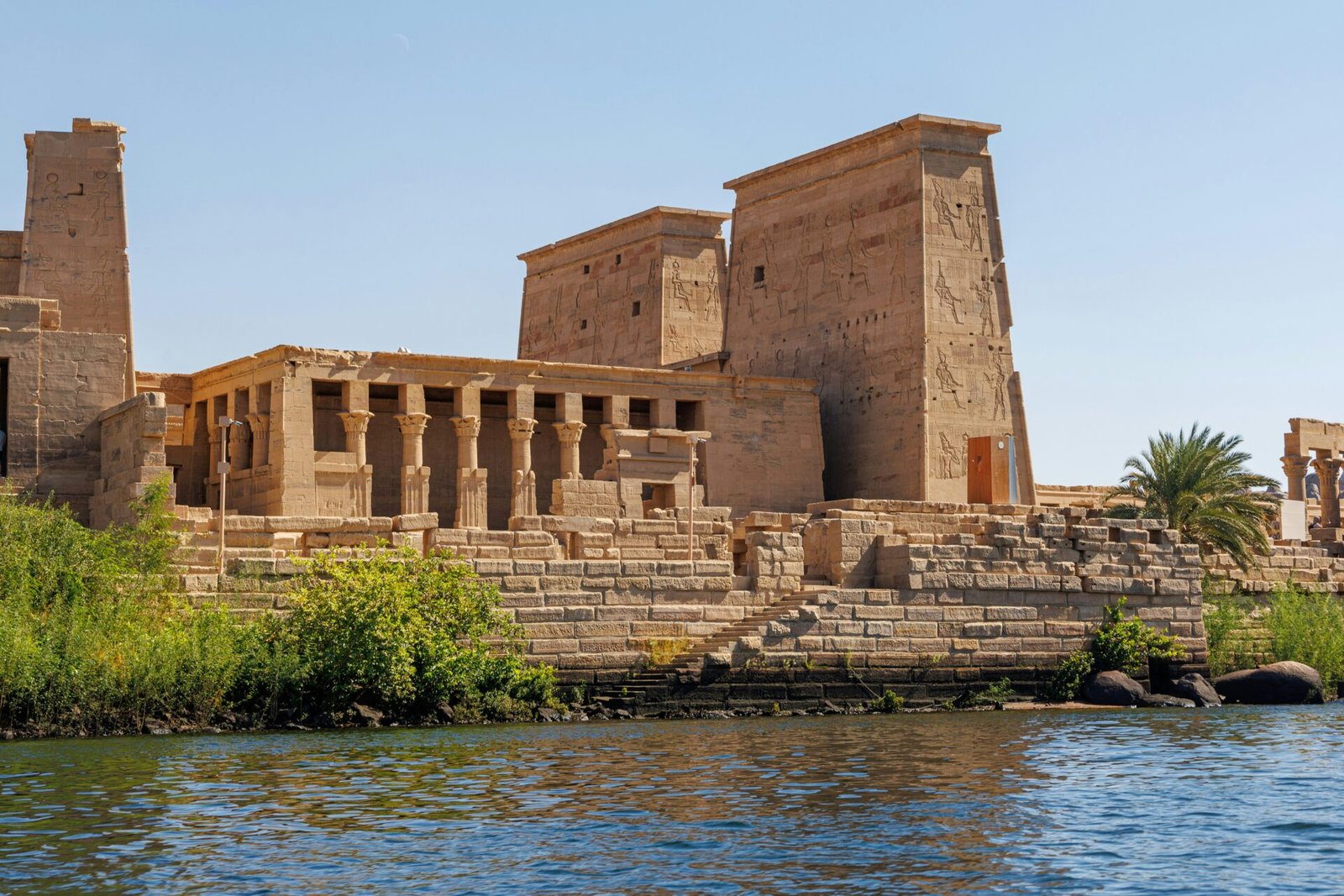
Philae Temple stands as a remarkable testament to ancient Egypt’s architectural prowess. Dedicated to the goddess Isis, it boasts intricate carvings and exquisite reliefs. These art pieces tell tales of devotion and myth.
The construction of the Aswan Dam threatened this temple’s existence. The rising waters of Lake Nasser jeopardized its foundations. Urgent action was required to save this ancient wonder.
In a dramatic relocation project, the temple was moved. Engineers carefully dismantled its stones and reassembled them on Agilkia Island. This colossal task preserved the temple for future generations.
Today, the Philae Temple remains one of Aswan’s most captivating sites. Visitors marvel at its grandeur and learn of its fascinating history. It stands as a symbol of both ancient and modern achievement.
Key points of interest at Philae Temple include:
-
- Goddess Isis: Centerpiece of temple worship.
-
- Ancient Reliefs: Stories carved in stone.
-
- Dramatic Relocation: Saved from rising waters.
-
- Location: Now on picturesque Agilkia Island.
-
- Historic Preserving Effort: A success story of engineering and archaeology.
Philae Temple’s story is one of ancient devotion and modern perseverance. It’s a must-visit for any traveler in Aswan.
The Unfinished Obelisk and Aswan’s Granite Legacy
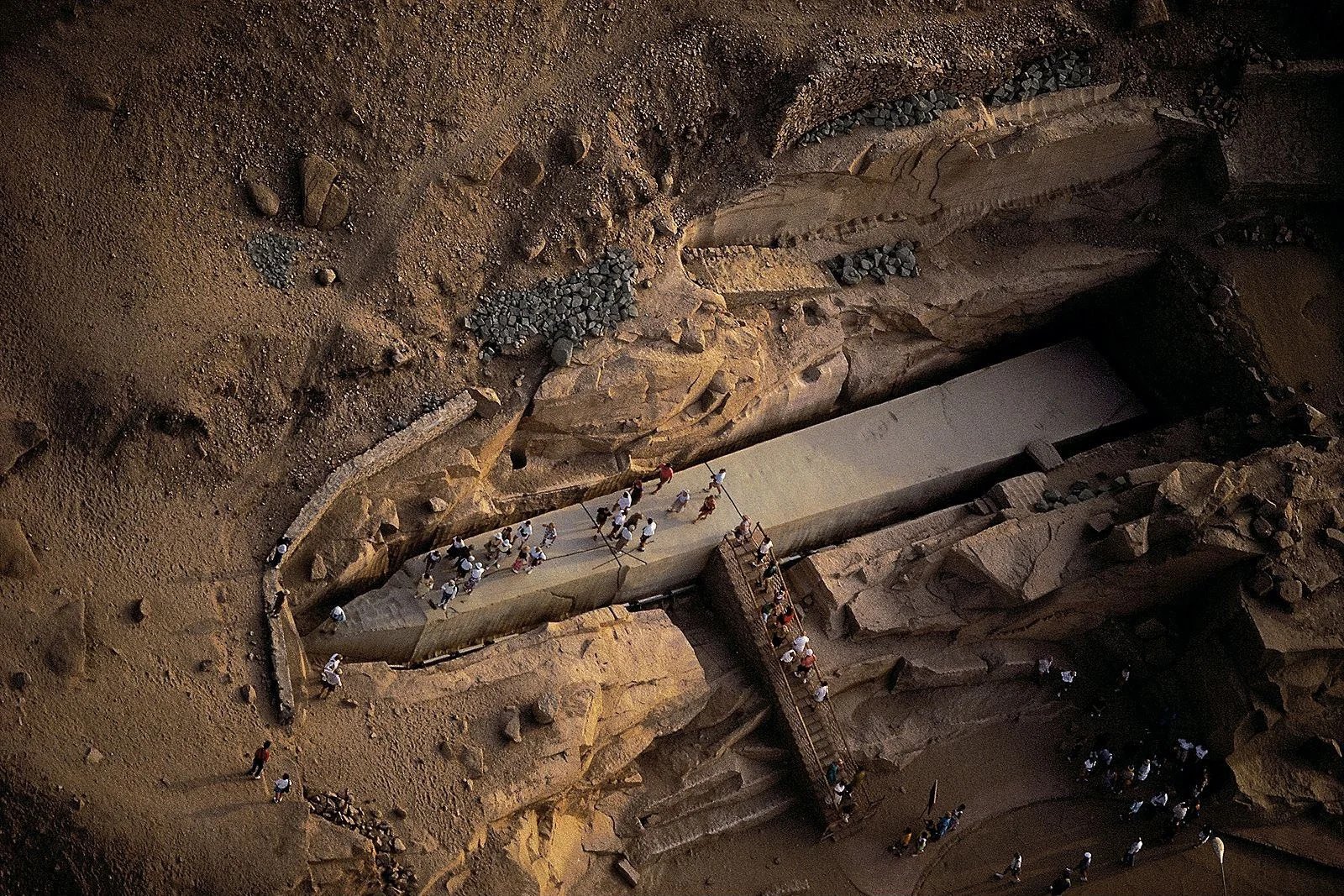
The Unfinished Obelisk in Aswan is a window into ancient quarrying techniques. Carved directly out of bedrock, it demonstrates the brilliance of early stone workers. Unfortunately, it cracked before completion and was abandoned.
This unfinished piece is a colossal remnant of Egypt’s granite quarrying legacy. It highlights both the ambition and the challenges faced by the ancients. Visitors today can see the chisel marks left behind by workers thousands of years ago.
Aswan was known for its granite quarries that supplied stone for many key monuments. The stone found here was highly prized for its durability and beauty. Aswan granite features prominently in some of Egypt’s most iconic structures.
The sheer size and scale of the obelisk make it an intriguing attraction. It would have been the largest obelisk ever erected, had it not been left incomplete. Standing at approximately 42 meters, its ambitious scale is awe-inspiring.
Key aspects of the Unfinished Obelisk include:
-
- Ancient Techniques: Insight into early stone carving.
-
- Granite Source: Sourced from Aswan’s quarries.
-
- Monumental Scale: It would have been the largest known obelisk.
-
- Historical Challenges: Cracks halted its completion.
-
- Cultural Significance: Symbol of Egypt’s grand architectural ambitions.
The Unfinished Obelisk serves as a vivid reminder of both ancient skills and the unpredictability of grand projects.
Aswan’s Natural Beauty: Nile Views, Botanical Gardens, and Lake Nasser
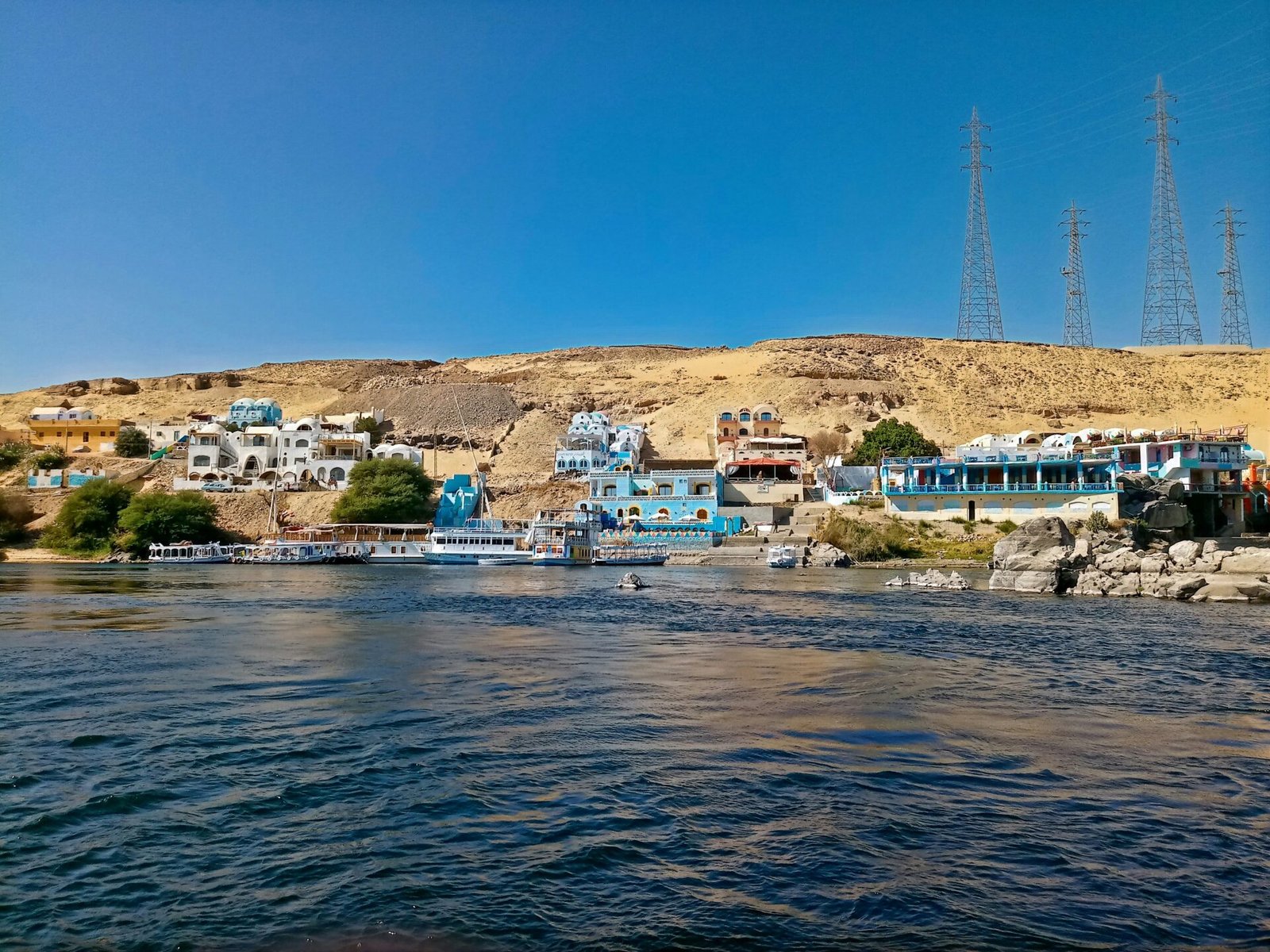
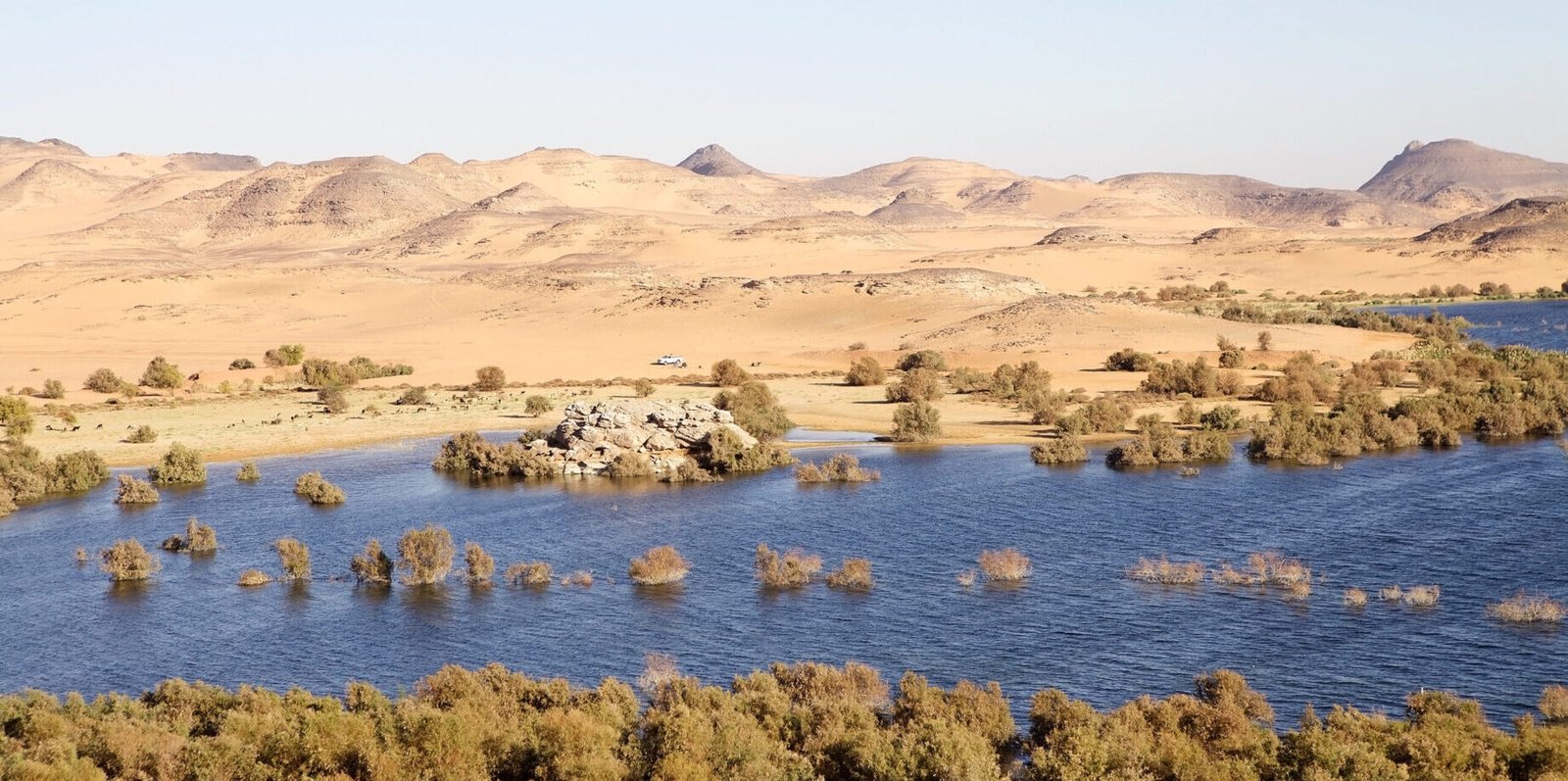
Aswan offers stunning vistas of the Nile, captivating visitors with its serene beauty. The river is flanked by lush vegetation and golden sands, creating a unique landscape. The gentle flow of the river is perfect for leisurely felucca rides.
The Aswan Botanical Garden, nestled on Kitchener’s Island, boasts a diverse collection of exotic plants. The island is an oasis of greenery amidst desert surroundings, providing a tranquil escape. Visitors can explore winding paths shaded by tall palms and fragrant flora.
Lake Nasser, formed by the Aswan High Dam, is one of the world’s largest artificial lakes. Its vast expanse offers opportunities for fishing and bird-watching. The lake’s azure waters contrast beautifully with the surrounding desert terrain.
Aswan’s natural beauty is not limited to the river and gardens. The colorful sunsets over the Nile are a breathtaking spectacle. From various vantage points around the city, each evening’s display is uniquely mesmerizing.
Highlights of Aswan’s natural beauty include:
-
- Felucca Rides: Traditional sailing boats on the Nile.
-
- Botanical Garden: A collection of rare plants.
-
- Lake Nasser: An artificial lake with diverse wildlife.
-
- Sunset Views: Stunning evening vistas.
-
- Lush Vegetation: Unusual greenery in a desert setting.
These elements make Aswan a picturesque destination blending natural wonders with historical charm.
Exploring the City of Aswan Egypt: Markets, Cuisine, and Modern Life
Aswan is alive with vibrant culture and bustling streets. The city’s markets offer an eclectic blend of sights and sounds. These markets, or souks, are perfect for picking up handcrafted souvenirs and spices.
Local cuisine in Aswan is a delightful fusion of Egyptian and Nubian flavors. Street food stalls serve koshari and ful medames, offering tastes you won’t forget. Dining in Aswan is as much an adventure as exploring its historical sites.
Modern life in Aswan blends seamlessly with its ancient roots. Contemporary hotels stand alongside age-old monuments, providing comfort and convenience. The city’s infrastructure caters to tourists, enhancing the overall travel experience.
Aswan is also a cultural melting pot, a reflection of its historical role as a trade hub. This diversity is mirrored in its eclectic architecture and its lively cultural festivals. The residents of Aswan are famously welcoming, enhancing the city’s charm.
Essential activities for immersing oneself in Aswan include:
-
- Visiting Souks: Explore bustling markets full of local crafts.
-
- Tasting Local Dishes: Experience traditional Egyptian-Nubian cuisine.
-
- Exploring Architecture: Discover eclectic styles, both modern and ancient.
-
- Cultural Events: Participate in lively local festivals.
-
- Engaging with Locals: Meet Aswan’s friendly and welcoming residents.
Aswan is a city where history and modernity coexist gracefully, creating a unique destination for travelers.
Practical Travel Tips for Visiting Aswan
Traveling to Aswan promises an unforgettable adventure. However, preparing with the right information is key to enhancing your trip. Begin with understanding the best time to visit.
The ideal months for visiting are from October to April when the weather is milder. During these months, daytime temperatures are more manageable. The cooler climate allows for comfortable outdoor explorations.
Consider booking accommodations well in advance, particularly during peak tourist seasons. Aswan offers a range of options, from luxury hotels to budget guesthouses. Choose based on your preferences and proximity to attractions.
Transportation in Aswan is convenient, with various options available for getting around. Buses, taxis, and even boats provide ways to explore the city. Negotiating taxi fares beforehand can save you hassle.
When packing, lightweight clothing is crucial due to the hot, dry climate. Don’t forget sunscreen and a hat to protect against the sun. Comfortable walking shoes are essential for visiting historical sites and markets.
Key travel tips include:
-
- Best Time to Visit: October to April for comfortable weather.
-
- Book in Advance: Secure accommodation early, especially in peak season.
-
- Transportation Options: Utilize local buses, taxis, and boats.
-
- Pack Appropriately: Light clothing, sunscreen, and comfortable shoes.
-
- Cultural Etiquette: Respect local customs and dress modestly.
These practical tips will help you enjoy a seamless and memorable Aswan adventure.

Sample Itineraries: Making the Most of Your Aswan Adventure
Crafting the perfect itinerary enhances your Aswan experience. Whether you have a day or a week, there’s plenty to explore. Short on time? Focus on the highlights.
In a single day, start early with a sunrise visit to the Philae Temple. Then, head to the 4000 year old Aswan tombs to delve into history. Conclude with a leisurely sail around Elephantine Island.
For a two-day itinerary, add the Aswan High Dam to your list. Spend the second morning exploring Aswan’s vibrant markets. Reserve your evening for a Nubian dinner with panoramic Nile views.
If you have three days, include a relaxing afternoon at the Aswan Botanical Garden. Explore the Unfinished Obelisk and absorb the city’s granite legacy. A Nile River cruise to nearby Luxor can be a perfect finale.
Here’s a quick itinerary overview:
-
- Day 1: Philae Temple, Aswan Tombs, Elephantine Island
-
- Day 2: Aswan High Dam, Markets, Nubian Dinner
-
- Day 3: Aswan Botanical Garden, Unfinished Obelisk, Nile Cruise
Make the most of each moment with our suggested itineraries.
Conclusion: Why Aswan Should Be on Your Travel List
Aswan is a city where history, culture, and nature converge. It offers a unique blend of ancient wonders and modern charm.
From the awe-inspiring Aswan High Dam to the timeless beauty of Philae Temple, Aswan captivates every traveler. Its vibrant markets, welcoming locals, and rich Nubian heritage create an unforgettable experience. Whether seeking history or relaxation, Aswan promises memories that last a lifetime. Don’t miss this jewel of the Nile on your next Egyptian adventure.
Skip The Hassle with Easy Transfer 24/7
Planning a trip to Aswan’s widely dispersed ancient sites can be overwhelming. Navigating local transportation, deciphering riverboat transfers to island temples, and scheduling early-morning excursions require significant time and effort. This is where booking a structured excursion becomes invaluable.
Choosing a professional service like Easy Transfer 24/7 takes the stress out of your Egyptian adventure. They specialize in organizing seamless itineraries, allowing you to focus entirely on the serene beauty of the Nile. From coordinating domestic flights to providing private, air-conditioned transfers, every logistical detail is expertly handled.
A major advantage of these tours is the unparalleled expertise of their guides. Exploring sites like the Philae Temple, the massive High Dam, or the Unfinished Obelisk with a private, English-speaking Egyptologist brings the history to life. They offer deep historical context and fascinating stories about southern Egypt and Nubian culture that you simply cannot get from a standard guidebook.
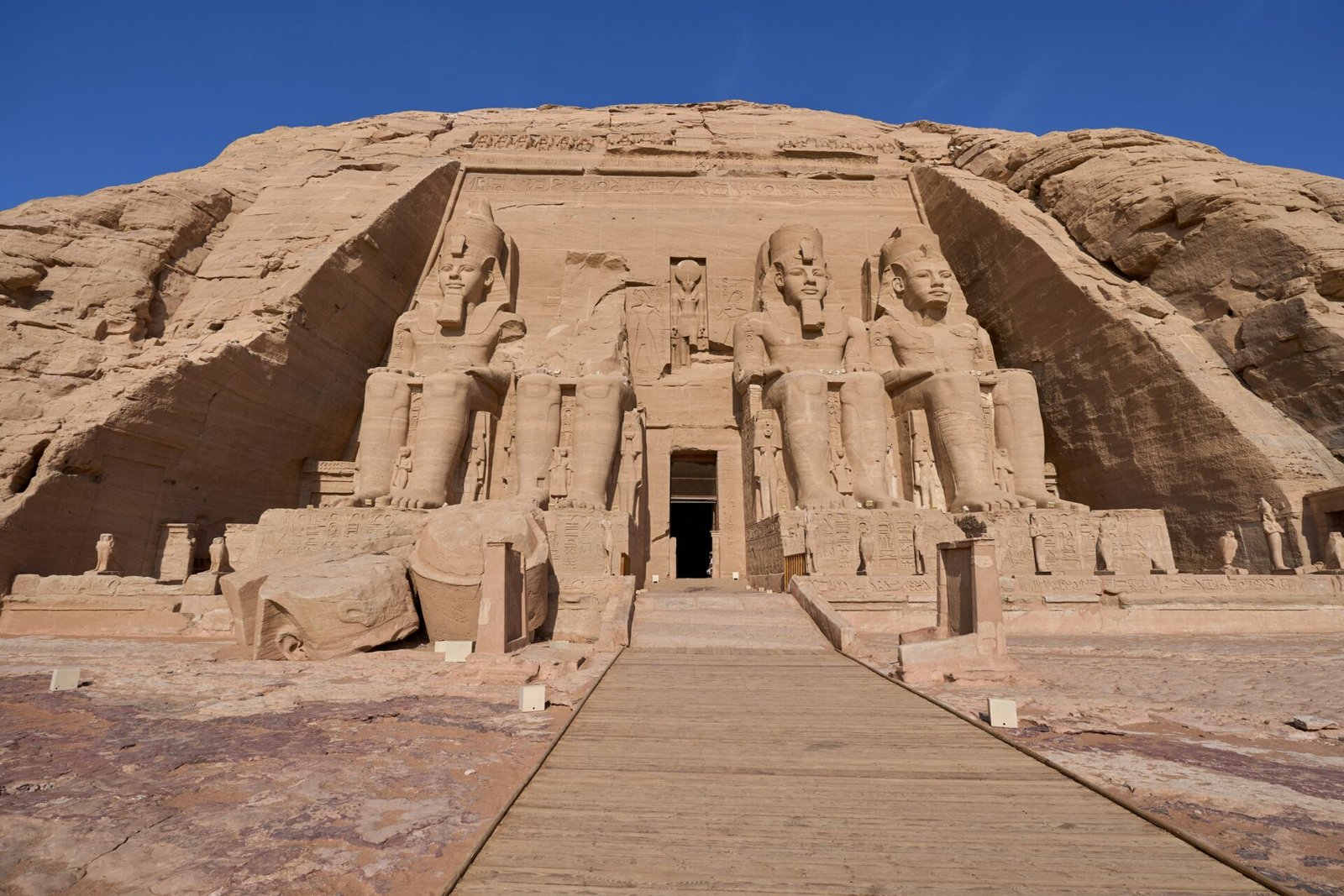
Whether you are based in Cairo and looking for a comprehensive day trip by air, or you want a tailored itinerary to the legendary Temples of Abu Simbel once you arrive in Aswan, these packages offer ultimate flexibility. Many tours thoughtfully include all entrance fees, motorboat rides, guided walks, and even lunch, leaving you with zero hidden surprises.
Opting for a guided tour ensures you maximize your time without the usual travel friction. It guarantees peace of mind, ensuring you can fully immerse yourself in the wonders of southern Egypt.
Key benefits of booking with Easy Transfer 24/7 include:
-
- All-Inclusive Logistics: Enjoy pre-arranged domestic flights, hotel pickups, Nile boat transfers, and modern air-conditioned transport.
-
- Expert Knowledge: Navigate complex historical sites with a professional Egyptologist guide.
-
- Time Efficiency: See top Aswan attractions or arrange seamless day trips to Abu Simbel in a single, well-paced itinerary.
-
- Zero Hidden Fees: Entrance tickets, taxes, and even bottled water and lunch are typically included.
-
- Peace of Mind: Benefit from reliable support, flexible booking options, and a worry-free travel environment.
Get in touch with us right now from HERE to create the suitable itinerary for you!
Q&A
Question: Why is Aswan considered historically significant?
Short answer: Aswan sat at the first cataract of the Nile, marking Egypt’s border with Nubia and serving as a vital trade hub where African goods flowed north. Its granite quarries supplied stone for many iconic temples and statues, and the city bridges Egyptian and Nubian histories—evident in sites like Elephantine Island, the Tombs of the Nobles, and the Nubian Museum.
Question: What are the must-see sights in and around Aswan?
Short answer: Highlights include:
-
- Philae Temple (now on Agilkia Island), dedicated to Isis
-
- Elephantine Island’s ruins, Khnum Temple, and Nubian village
-
- The Tombs of the Nobles (the 4000-year-old Aswan tombs)
-
- The Unfinished Obelisk and ancient granite quarries
-
- The Aswan High Dam and Lake Nasser
-
- Aswan’s bustling souk (market)
-
- The Old Cataract Hotel for historic ambiance and Nile views
-
- Kitchener’s Island Botanical Garden
-
- Easy excursions to Abu Simbel
Question: How did the Aswan High Dam change the region?
Short answer: Completed in 1970, the dam tamed the Nile’s once-unpredictable floods, generated substantial hydroelectric power, and created Lake Nasser—now a vast reservoir supporting fishing and bird‑watching. Its benefits came with trade-offs: altered ecosystems and the submergence of archaeological sites, which prompted major international preservation efforts, including the relocation of Philae Temple.
Question: What can I learn from the 4000-year-old Aswan tombs?
Short answer: Also known as the Tombs of the Nobles, these cliff-cut burials for regional governors reveal rich details of ancient life—hunting, feasting, religious rites—through vivid paintings and inscriptions. Their west-bank location reflects beliefs about the afterlife, while their architecture and decoration highlight the status and artistry of Egypt’s elite.
Question: When is the best time to visit Aswan, and any practical tips?
Short answer: Visit from October to April for milder weather. Book accommodation early in peak season, use local buses, taxis, and boats (agree taxi fares in advance), and pack light clothing, sunscreen, a hat, and comfortable walking shoes. Respect local customs and dress modestly, especially at religious or historical sites.