
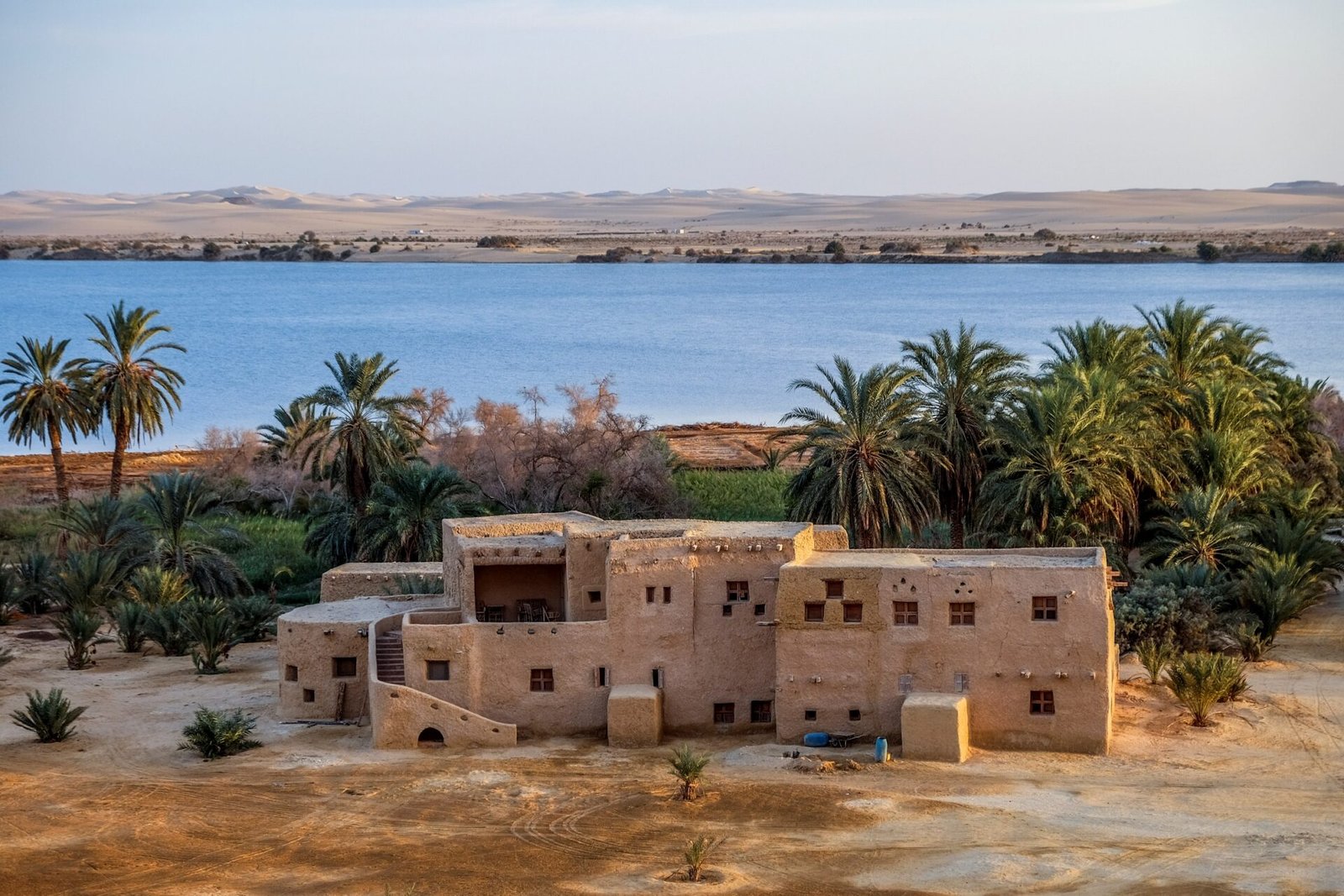
Deep in the heart of Egypt’s Western Desert, miles away from the bustling streets of Cairo and the ancient monuments of Luxor, lies a paradise of unparalleled beauty and profound serenity. A verdant jewel surrounded by an ocean of golden dunes, this destination has captivated explorers, kings, and modern-day travelers alike. If you are looking to escape the ordinary and step into a world where time seems to stand still, planning a Siwa Oasis trip should be at the absolute top of your travel bucket list.
Known internationally to some as the oasis de siwa, this remote haven is fundamentally different from anything else you will experience in the country. Framed by date palms, olive groves, crystal-clear springs, and the dramatic backdrop of the Sahara, the unique Siwa Oasis aesthetics offer a visual feast that photographers and nature lovers dream about. Unlike the classic Nile Valley route, a journey here is an expedition into a distinct cultural and geological landscape.
This comprehensive guide will walk you through everything you need to know to visit Siwa Oasis, from exploring ancient ruins and floating in turquoise salt pools to finding the perfect Siwa Oasis hotel for a truly unforgettable stay.
1. The Journey: Getting to the Edge of the Sahara
Part of the magic of Siwa Oasis is its extreme isolation. Located roughly 50 kilometers (30 miles) from the Libyan border and over 560 kilometers (350 miles) from Cairo, getting here is an adventure in itself. When you begin researching how to reach remote western desert depressions, you will quickly find that the journey requires time, patience, and a sense of wanderlust.
The Road Trip of a Lifetime
Most travelers arrive via road. The most common route involves a long drive from Cairo up to the Mediterranean coastal city of Marsa Matrouh, followed by a southward turn deep into the desert.
Driving from cairo to libyan border regions takes approximately 10 to 12 hours depending on your mode of transport.
-
- Private Car or Taxi: Hiring a private driver is the most comfortable way to make the trip. It allows you to stop for breaks, stretch your legs, and marvel at the shifting landscapes as the Mediterranean coastline gives way to the vast, arid expanse of the Sahara.
-
- Public Bus: For budget-conscious travelers, companies like West & Delta offer overnight buses from Cairo’s Turgoman Station directly to Siwa Oasis. It is a long, bumpy ride, but watching the sunrise over the desert dunes as you approach the oasis makes it entirely worthwhile.
-
- Domestic Flights: Occasionally, chartered flights or military flights open up to civilians from Cairo to the small Siwa Oasis airport, but these are rare. Relying on ground transport is the safest bet.
A World Apart
When comparing different egyptian desert settlements, such as Bahariya, Farafra, or Dakhla, Siwa Oasis stands out because of its absolute geographic isolation. While the other oases are linked by the standard Western Desert loop road, Siwa requires a dedicated detour. This seclusion has protected its environment from overdevelopment and preserved a way of life that has thrived for millennia.
2. Uncovering a Deep Historical Tapestry
The history of this region is as rich and layered as the geological strata of the surrounding desert. Because of its remote location, it served as a mystical sanctuary, an important trading post on the trans-Saharan caravan routes, and a refuge for various civilizations.
The Shali Fortress
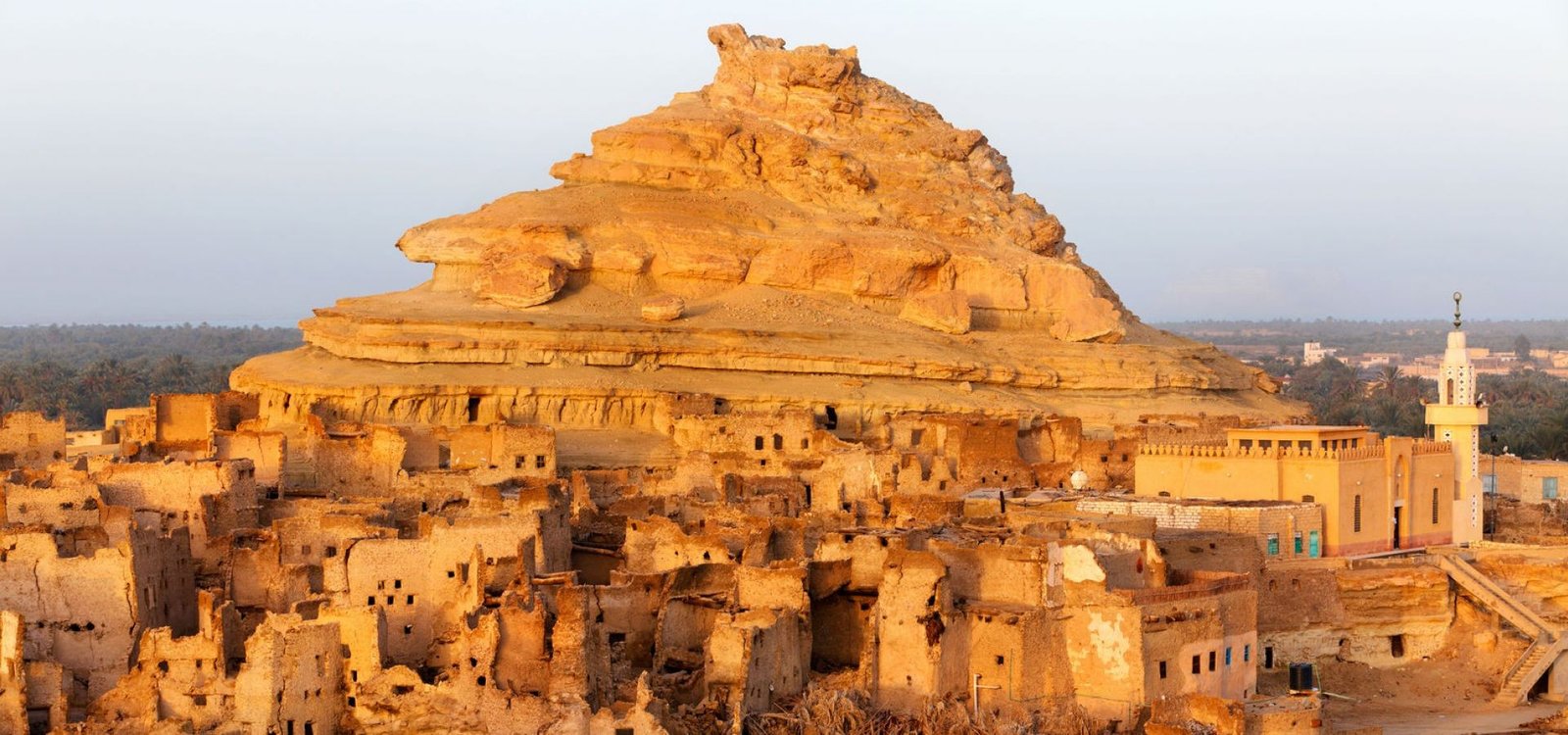
In the very center of town stand the dramatic, towering ruins of the Shali Fortress. Built in the 13th century to protect the inhabitants from bedouin raids, the fortress is a marvel of ancient engineering. The shali fortress mud-brick architecture is constructed using kershef—a unique local building material made of sun-dried chunks of salt from the oasis lakes mixed with mud and clay.
For centuries, this towering labyrinth of houses and defensive walls sheltered the entire population. However, in 1926, three days of uncharacteristic, torrential rain literally melted parts of the salt-and-mud structures, forcing the inhabitants to abandon the fortress and build new homes at its base. Today, you can climb the winding, weathered pathways to the top of the ruins for a spectacular panoramic view of the oasis at sunset.
The Footsteps of Alexander the Great
Perhaps the most famous historical event to occur here was the arrival of Alexander the Great in 331 BC. After conquering Egypt and founding Alexandria, the young Macedonian king braved the perilous desert to consult the renowned Oracle of Amun.
Visiting the temple of the oracle today allows you to walk the exact same stones as Alexander. Set upon the hill of Aghurmi, the temple ruins offer a commanding view of the surrounding palm groves. According to historical accounts, it was within the inner sanctum of this temple that the Oracle confirmed Alexander’s divine lineage, declaring him the son of Zeus-Amun—a revelation that solidified his rule over Egypt and changed the course of his empire.
The Necropolis of Gebel al-Mawta
A short distance from the town center lies Gebel al-Mawta, known in English as the Mountain of the Dead. This conical hill is honeycombed with rock-cut tombs dating back to the 26th Dynasty, the Ptolemaic era, and the Roman period.
Exploring the mountain of the dead ancient tombs provides an intimate look into the region’s ancient funerary practices. The most famous of these is the Tomb of Si Amun, which features beautifully preserved, brightly colored murals depicting the deceased standing alongside Egyptian deities like Osiris and Nut. The fusion of ancient Egyptian and Greek artistic styles found in these tombs highlights the oasis’s unique position as a cultural crossroads.
3. Immersion in Siwan Culture and Heritage
While the rest of Egypt speaks Arabic, Siwa Oasis has its own distinct linguistic and cultural identity. The local people, numbering around 30,000, are primarily of Berber (Amazigh) descent.
The Amazigh Connection
Experiencing the traditional amazigh cultural traditions in egypt is one of the most rewarding aspects of a visit. The locals speak Siwi, an unwritten Amazigh language completely distinct from Arabic (though most speak Arabic as well, and many in the tourism sector speak excellent English).
The culture is deeply communal and fiercely protective of its traditions. This is evident in their vibrant festivals, such as the annual Siyaha Festival held under the full moon in October. During this three-day celebration, thousands of Siwans gather at Mount Dakrour to pray, eat together, settle disputes, and celebrate their unity and harvest.
Agriculture and Handicrafts
The lifeblood of the oasis has always been its agriculture. Blessed with hundreds of freshwater springs, the desert blooms with over 300,000 palm trees and 70,000 olive trees. The local organic date and olive production is not just an economic staple; it is a point of immense pride. When you visit, be sure to taste the incredibly sweet, dark dates and purchase a bottle of cold-pressed, extra-virgin olive oil—often considered the finest in Egypt.
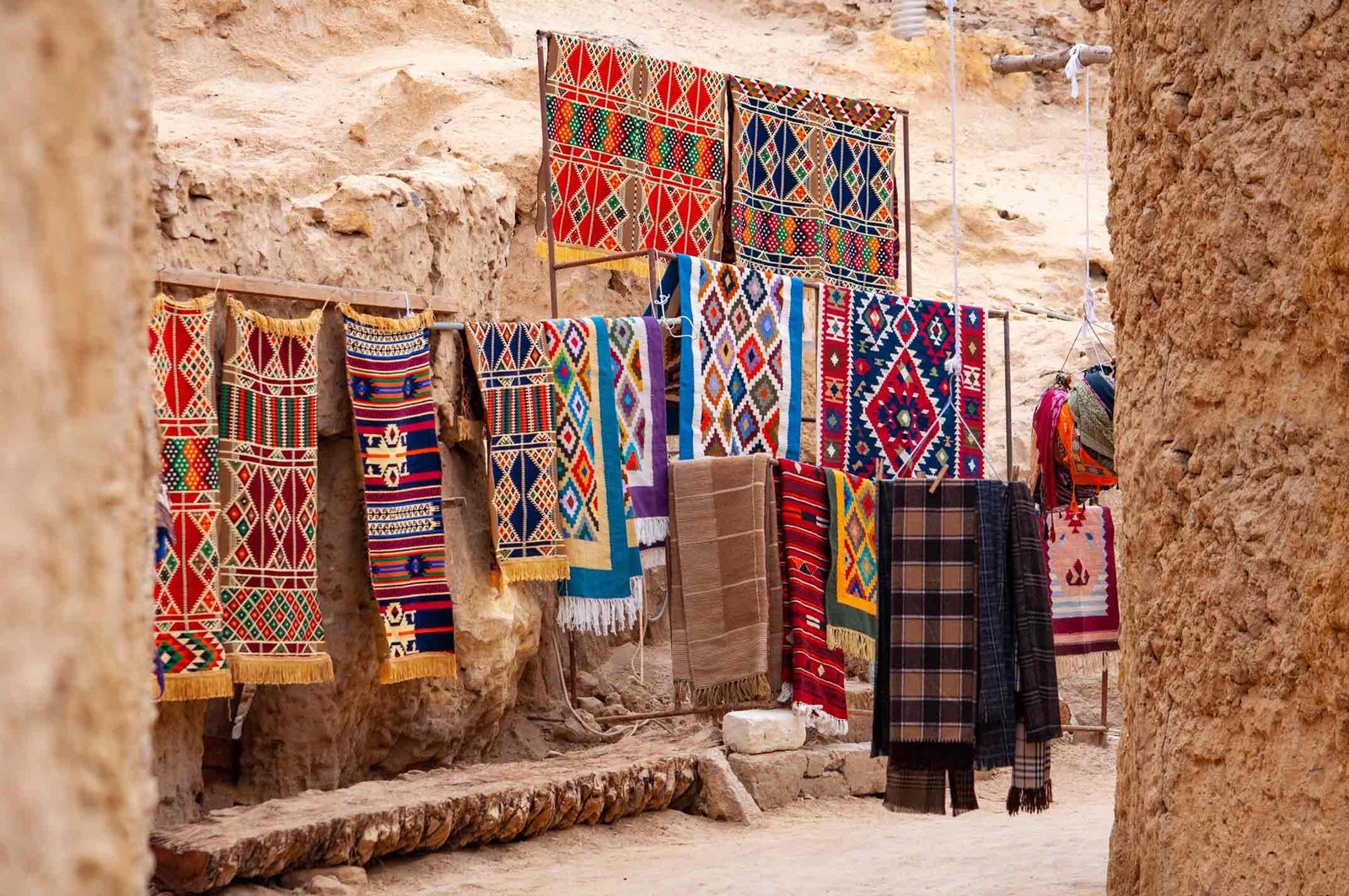
In addition to agriculture, the women of the oasis are famous for their exquisite handicrafts. While they live highly private lives and are rarely seen in the public market, their artistry is highly visible. Traditional Siwan embroidery features intricate, colorful geometric patterns heavily adorned with mother-of-pearl buttons, sunburst motifs, and silver tassels. Purchasing these textiles, silver jewelry, or woven palm-frond baskets directly supports the local community.
4. Aquatic Miracles: Salt Lakes and Healing Springs
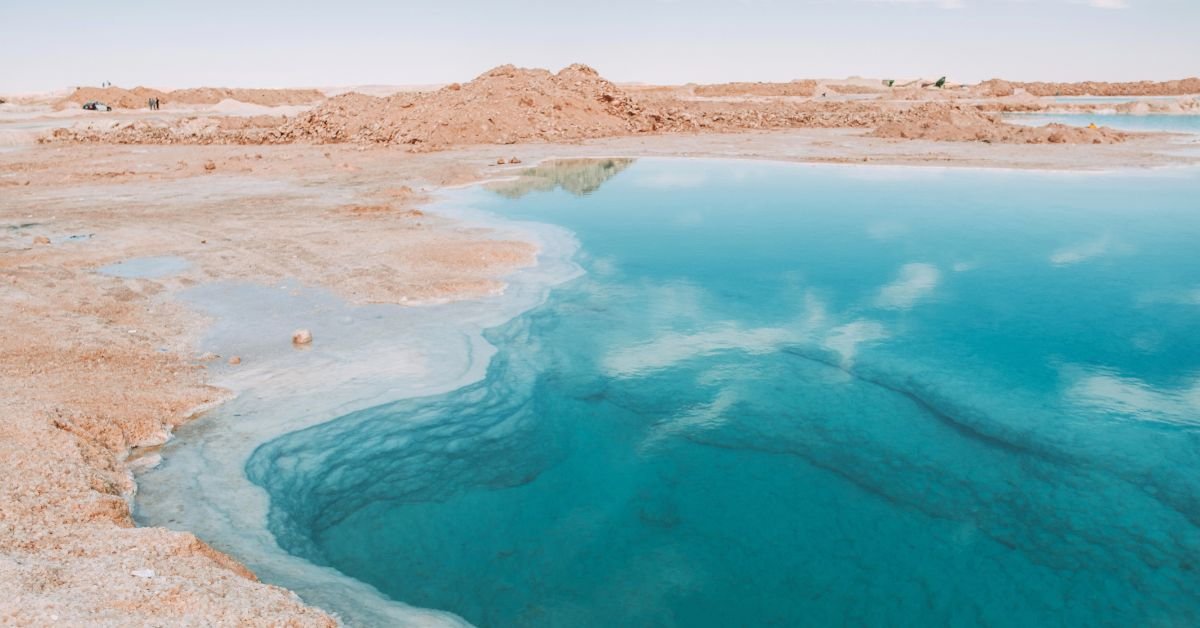
It is almost impossible to comprehend the abundance of water in this seemingly barren desert until you see it for yourself. The oasis is dotted with hundreds of natural springs and magnificent lakes that boast some of the most vibrant shades of blue you will ever witness.
Floating in Turquoise Gold
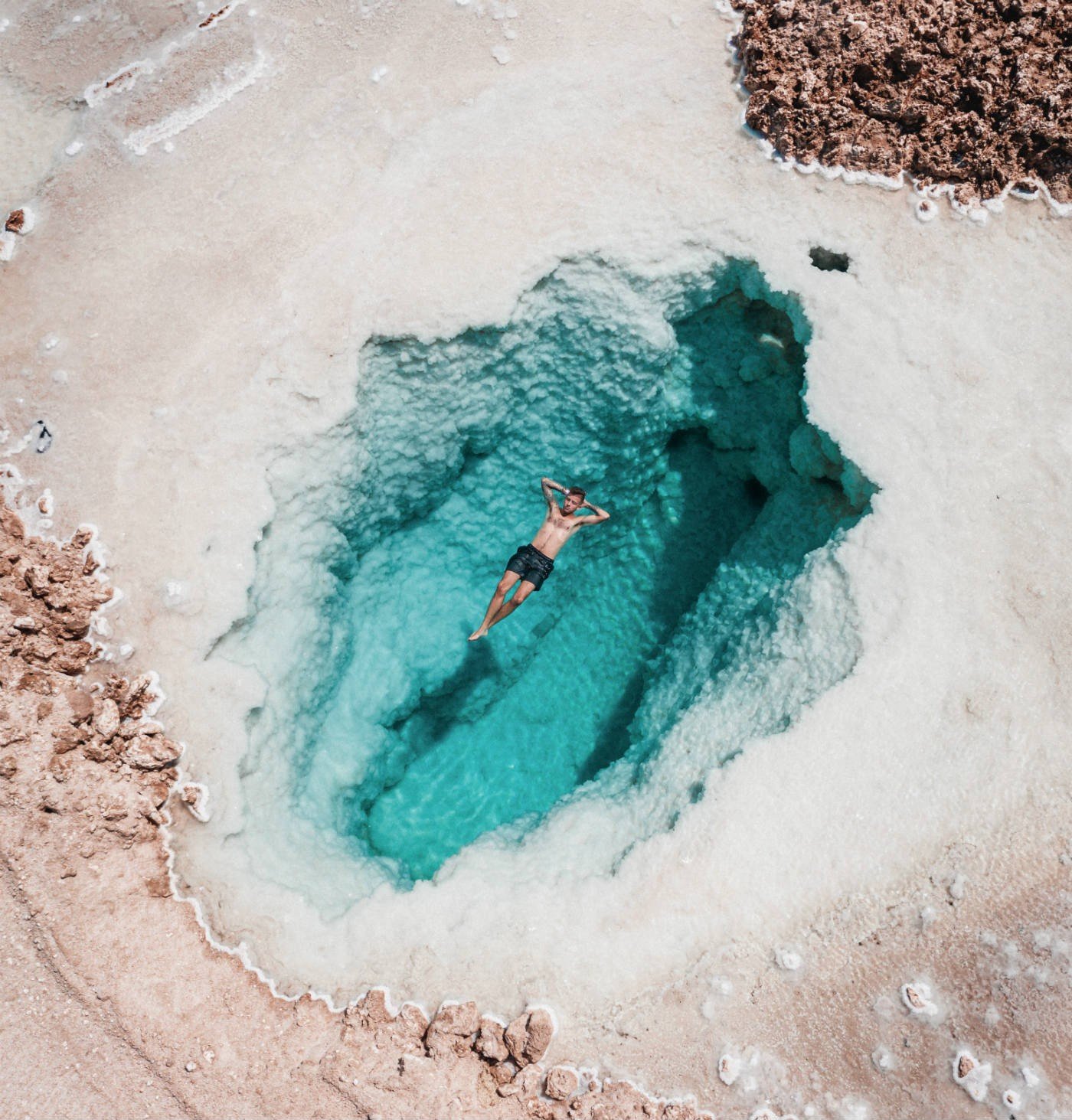
One of the most viral and sought-after experiences on a modern itinerary is swimming in natural salt lakes. The salt mining industry in the area has inadvertently created dozens of these deep, geometric pools. Due to the staggering salt concentration—much higher than that of the Dead Sea—the water provides an intense buoyancy. You cannot sink even if you try.
Floating weightlessly in these crystalline, aquamarine pools, with stark white salt formations rimming the edges and the golden desert in the background, creates a surreal, dreamlike aesthetic.
Actionable Tip: The salt is highly concentrated and can sting your eyes or any open cuts. Do not splash, and do not put your face in the water. Once you finish swimming, you must rinse off immediately. Most locals know to take you to a nearby freshwater spring right after your salt float so you can wash the salt crust off your skin.
The Legendary Baths
Another must-visit aquatic site is Cleopatra’s Bath (Ain Juba). This large, circular stone pool is fed by a natural bubbling spring. Despite its name, there is no historical evidence that the famous Egyptian queen ever bathed here, but the lore adds to the charm. Cleopatra’s bath spring swimming is a refreshing escape from the midday desert heat. The area surrounding the pool is lined with shaded cafes where you can sip on fresh lemon-mint juice or traditional Siwan tea made with local herbs while watching travelers and locals plunge into the clear water.
Healing Geothermal Waters
Beyond the cold freshwater springs and salty pools, the region is also renowned for its geothermal activity. Many travelers come to experience the therapeutic properties of volcanic hot springs (geothermal deep-earth springs). The most famous of these is Bir Wahed, a hot sulfur spring located out in the desert dunes. Sitting in a steaming pool of mineral-rich water as the cool desert wind blows across the dunes is an incredibly restorative experience, highly recommended for relieving joint pain and muscle fatigue.
5. The Great Sand Sea: Desert Excursions
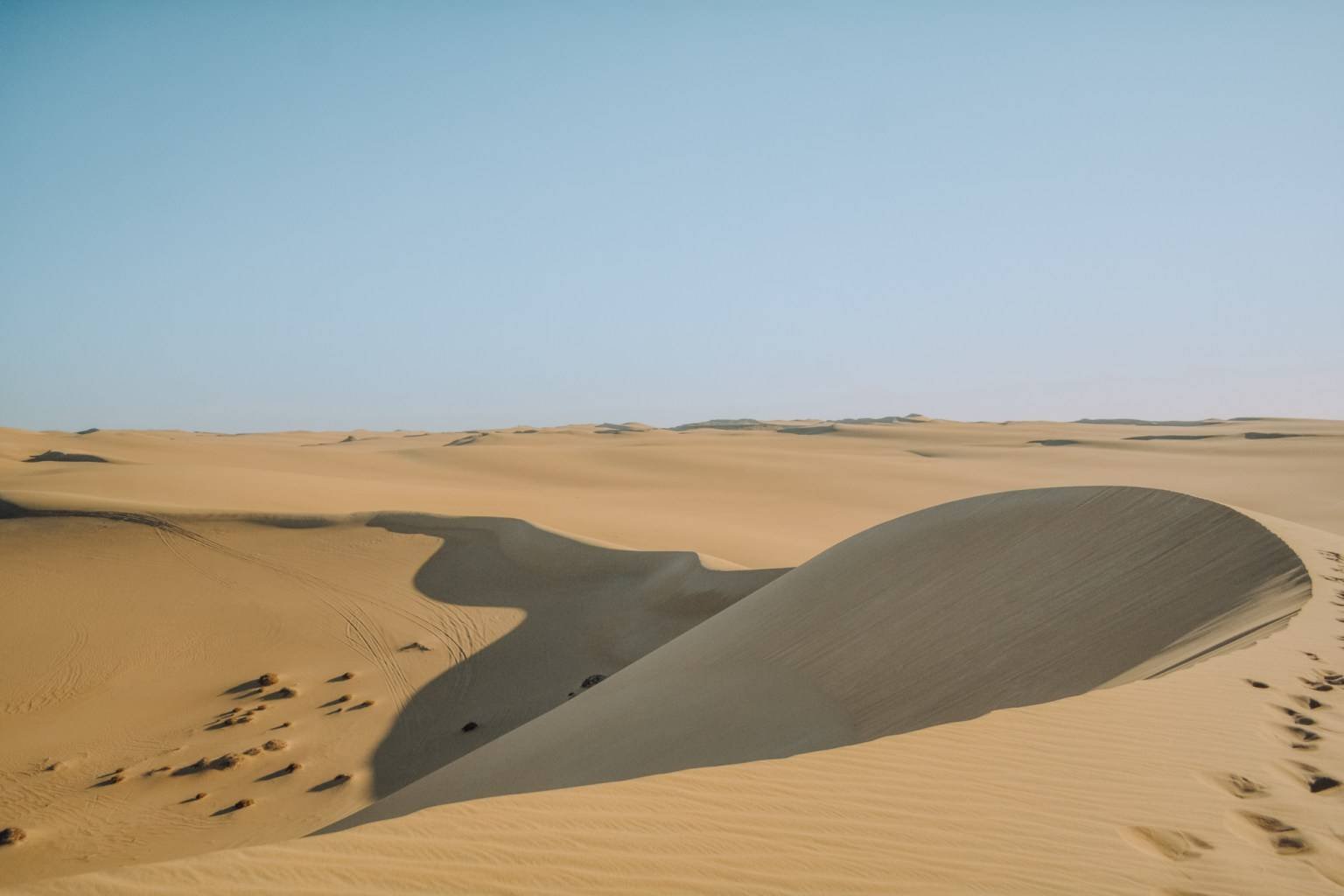
You cannot travel to the edge of the Sahara without venturing into the dunes. The oasis sits on the northern edge of the Great Sand Sea, an unfathomably massive expanse of shifting sand dunes that stretches over 72,000 square kilometers between Egypt and Libya.
Thrills in the Dunes
Booking a guided Siwa Oasis tour via 4×4 into the Great Sand Sea is a non-negotiable activity. Experienced local Bedouin and Siwan drivers expertly navigate the massive dunes, offering thrilling “dune bashing” experiences that feel like a natural roller coaster.
These adventures in the great sand sea often include stops for sandboarding. Strap your feet onto a wooden board and slide down the face of a 100-foot dune. It is physically demanding to climb back up, but the adrenaline rush is unmatched.
Your desert guide might also take you fossil hunting. Millions of years ago, this entire desert was the floor of the ancient Tethys Ocean. Today, you can easily find fossilized seashells, starfish, and even whale bones lying exposed on the sand—a stark reminder of the earth’s ever-changing climate.
Star-Studded Nights
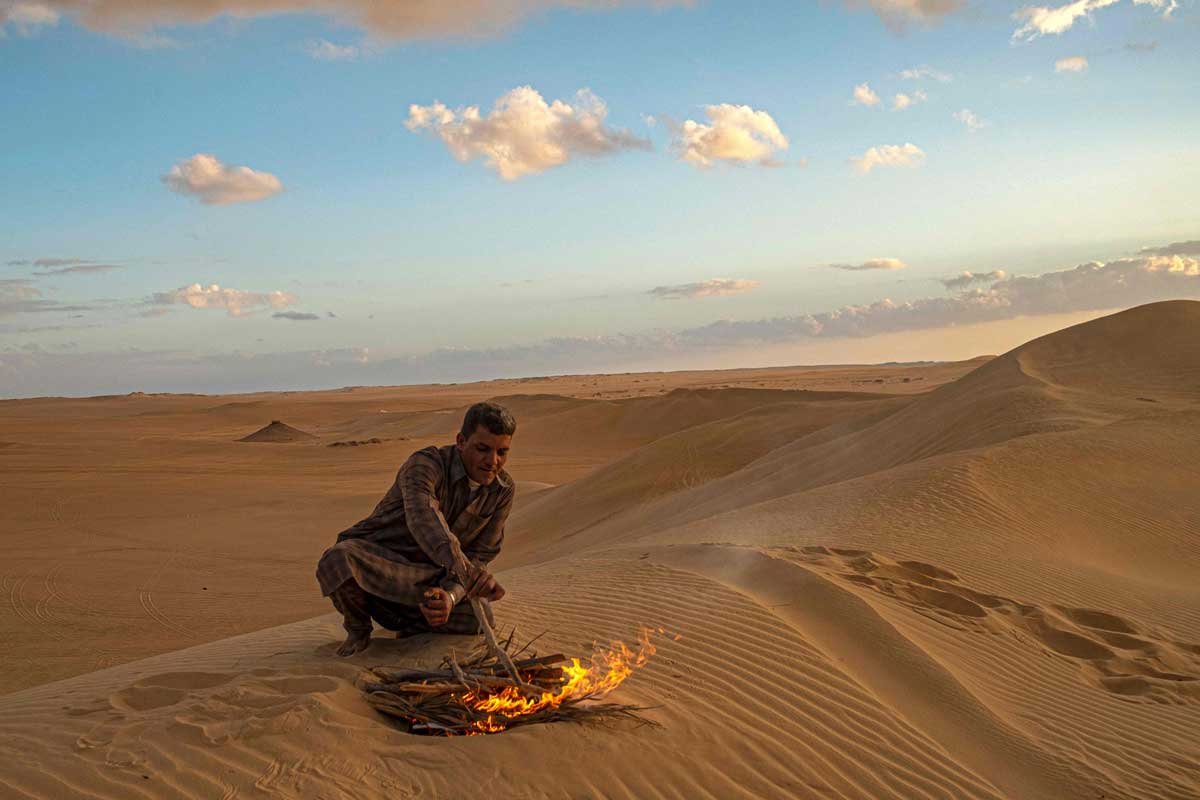
As the sun begins to set, the true magic of the desert reveals itself. A proper desert safari concludes with a traditional Bedouin-style dinner cooked over an open fire. Often, guides will prepare Abu Mardam, a traditional cooking method where chicken or lamb is slow-cooked in a sealed pot buried under the hot desert sand and embers.
After dinner, as the fire dies down, look up. Because there is virtually zero light pollution, this remote region offers spectacular astronomical views. The best time for sahara desert stargazing is during the winter months (November to February) on a new moon night. The Milky Way stretches across the sky with striking clarity, and shooting stars are a common sight. Bundled up in a blanket, sipping sweet black tea, and watching the cosmos is a profoundly humbling experience.
6. Where to Stay: From Salt Rooms to Luxury Eco-Lodges
Choosing the right accommodation can elevate your experience from a simple holiday to a transformative retreat. The hospitality infrastructure here has grown, but it has largely resisted the massive concrete resort style seen on the Red Sea coast. Instead, the focus is on harmony with nature.
Sustainable and Luxurious
For those interested in sustainable tourism, this destination is a global pioneer. The region is home to several world-renowned eco-lodges. Opting for sustainable eco-lodge stays in Egypt allows you to experience the authentic Siwa Oasis aesthetics without leaving a heavy carbon footprint.
The most famous of these is the Adrère Amellal. This luxury eco-lodge has hosted royalty and celebrities (including King Charles III). Built entirely from traditional kershef (salt and mud) and palm fronds, the lodge has no electricity. At night, the entire property is illuminated by hundreds of beeswax candles and the starry sky. Meals are created using organic ingredients grown right on the property. It is the ultimate digital detox and a masterclass in rustic luxury.
Finding the Perfect Hotel
If an off-the-grid eco-lodge isn’t exactly what you are looking for, there are plenty of excellent hotels in Siwa Oasis that cater to varying budgets and preferences.
When searching for a Siwa Oasis hotel, you will find everything from mid-range boutique properties with swimming pools and Wi-Fi to charming guesthouses run by local families.
-
- Mid-Range Excellence: Many boutique lodges offer beautiful rooms built with salt-rock walls, which are believed to carry negative ions that promote deep sleep and relaxation.
-
- Budget-Friendly: Backpackers will easily find a comfortable Siwa Oasis hotel in the center of town near the Shali Fortress. These centrally located spots make it easy to rent bicycles, wander through the marketplace, and interact with the locals.
Whether you choose a luxury lodge or a simple guesthouse, the hospitality of the locals ensures that every guest is treated like family.
7. Culinary Delights: Tasting the Oasis
No travel guide is complete without a deep dive into the local cuisine. Because of its geographic isolation, the food here is a unique blend of Egyptian, Libyan, and Amazigh flavors.
-
- Breakfast: Mornings usually begin with fresh flatbread, local honey, organic jams made from figs and dates, and foul medames (slow-cooked fava beans).
-
- Dates and Olives: As mentioned, the local organic date and olive production dominates the agricultural landscape. You will frequently find dates incorporated into savory dishes, providing a delicious sweet-and-salty contrast.
-
- Shakshouka and Tagines: Rich tomato-based stews with eggs, or slow-cooked meat tagines with couscous (a distinctly North African staple not as common in mainland Egypt), are dietary mainstays.
-
- Siwan Tea: The quintessential beverage is a potent, sweet black tea brewed with louisa (lemon verbena) or fresh mint. It is served in small glass cups and is a symbol of hospitality. Accepting tea is a wonderful way to connect with your hosts.
8. Essential Travel Tips and Etiquette
To ensure your trip is both enjoyable and respectful to the local community, there are a few practical considerations to keep in mind.
Cultural Sensitivity
The oasis is a highly traditional and deeply religious community. While the locals are incredibly welcoming, travelers must respect their customs. Adhering to a conservative dress code for rural egypt is absolutely essential.
-
- For Women: It is recommended to wear loose-fitting clothing that covers the shoulders, chest, and knees. While a headscarf is not required for tourists, carrying a pashmina is useful. When swimming in public freshwater springs (like Cleopatra’s Bath), it is considered highly disrespectful to wear a bikini. Opt for a modest one-piece with shorts or swim over top of your suit. (Note: In the remote salt lakes or private hotel pools, standard swimwear is generally acceptable, but always check with your guide).
-
- For Men: Avoid walking around town bare-chested. T-shirts and long shorts or lightweight trousers are ideal.
Logistics and Practicalities
-
- Cash is King: While a few of the high-end hotels in Siwa Oasis may accept credit cards, the vast majority of local restaurants, markets, and tour operators operate exclusively in cash (Egyptian Pounds). There are ATMs in the town square, but they occasionally run out of money, so bring plenty of cash from Cairo.
-
- Connectivity: Wi-Fi is available in many hotels, but the connection can be spotty. Mobile data networks (like Vodafone or Orange) work decently in the town center but disappear as soon as you head into the desert. Embrace the chance to disconnect.
-
- Best Time to Visit: The ideal time to visit is between October and April. During these months, the daytime temperatures are pleasant and sunny, while the nights are crisp and cold. The summer months (June to August) are blisteringly hot, making outdoor exploration and desert safaris nearly impossible during the day.
-
- Getting Around: The town center is highly walkable. To explore the wider oasis, renting a bicycle or hiring a motorized tricycle (tuk-tuk) driven by a local is the best, most authentic way to get around.
9. Creating Your Perfect Itinerary
To truly appreciate all that this region has to offer, you should plan to spend at least three to four full days here, not including the travel time to and from Cairo.
Day 1: Arrival and Antiquities: Arrive, settle into your chosen accommodation, and head straight to the Shali Fortress to catch your first sunset. The golden hour light hitting the mud-brick ruins is a spectacular introduction to the Siwa Oasis aesthetics.
Day 2: History and Healing Waters: Spend your morning exploring the ancient world. Begin at the Temple of the Oracle, then head over to the Mountain of the Dead. By midday, escape the heat by floating in the vibrant natural salt lakes. Follow this up with a cleansing dip and a fresh juice at Cleopatra’s Pool.
Day 3: The Great Sand Sea Safari: Spend the morning renting bicycles and exploring the palm groves and Fatnas Island (a spectacular peninsula on a salt lake known for incredible sunsets). In the mid-afternoon, meet your 4×4 guide for your adventures in the great sand sea. Enjoy dune bashing, a visit to the hot springs at Bir Wahed, and end the evening with a traditional Bedouin dinner and world-class stargazing.
Day 4: Market Shopping and Departure: Before you begin the long drive back to Cairo or Alexandria, spend your morning in the local marketplace. Buy organic dates, pure olive oil, and beautiful Amazigh handicrafts to support the local economy and take a piece of this magical place home with you.
Conclusion
A journey to the farthest edges of the Western Desert is not merely a vacation; it is an immersion into a landscape and a culture that defies the relentless pace of the modern world. From the gravity-defying buoyancy of the crystal-clear salt lakes to the ancient whispers echoing through the Temple of the Oracle, every corner of this secluded paradise tells a story.
Whether you are seeking the thrill of a 4×4 desert safari, the restorative powers of geothermal springs, or the quiet luxury of a candlelit eco-lodge, a Siwa Oasis trip delivers an experience that will linger in your soul long after the desert sands have been washed from your shoes.
By embracing the local Amazigh culture, respecting the fragile environment, and opening yourself up to the raw, unfiltered beauty of the Sahara, you will quickly understand why those who make the long journey here always leave a piece of their heart behind. Start planning your expedition today, and discover the true meaning of an oasis.