
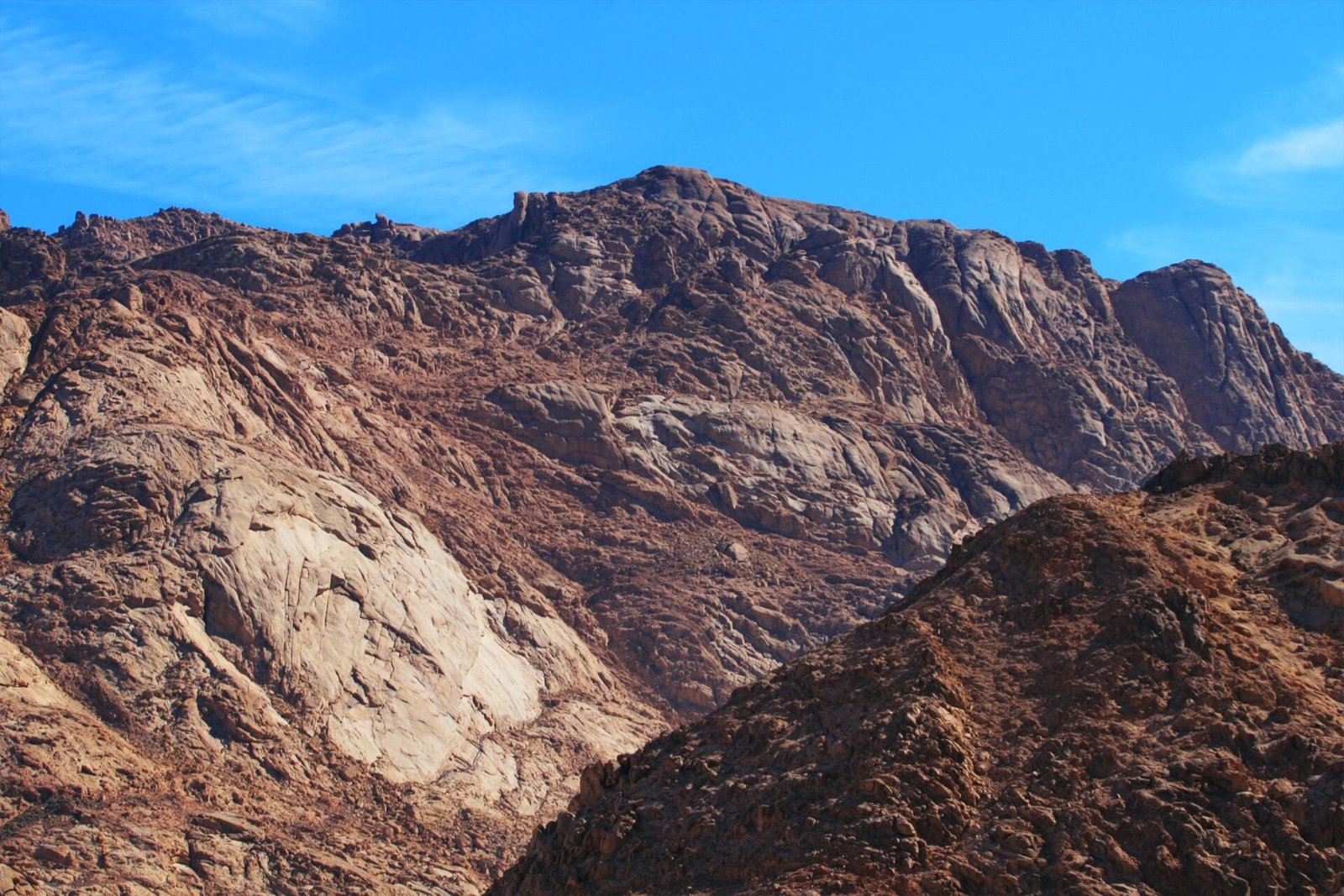
The Sinai Desert in Egypt is a land of mystery and wonder. It stretches across the northeastern part of the country. This vast desert in Egypt forms a natural bridge between Africa and Asia. As part of the broader Egypt desert landscapes, it stands out for its crossroads location.
Covering around 60,000 square kilometers, it offers diverse landscapes. From rugged mountains to serene oases, the Sinai Desert captivates all who visit. Its beauty is both stark and mesmerizing.
Mount Sinai stands as a beacon of spiritual significance. It is believed to be where Moses received the Ten Commandments. This sacred peak draws pilgrims and adventurers alike.
The Bedouin people call this desert home. Their rich culture and traditions add depth to the region’s allure. Visitors can experience their hospitality and learn about their way of life.
The Sinai Desert is not just about history and culture. It is a playground for outdoor enthusiasts. Hiking, camel trekking, and stargazing are popular activities here.
The Red Sea coast offers stunning coral reefs. It is a haven for divers and snorkelers. The underwater world is as vibrant as the desert above.
Sustainable tourism is vital to preserving this unique environment. Respecting local customs and nature is essential for all visitors. The desert’s tranquility offers a perfect escape from urban life.
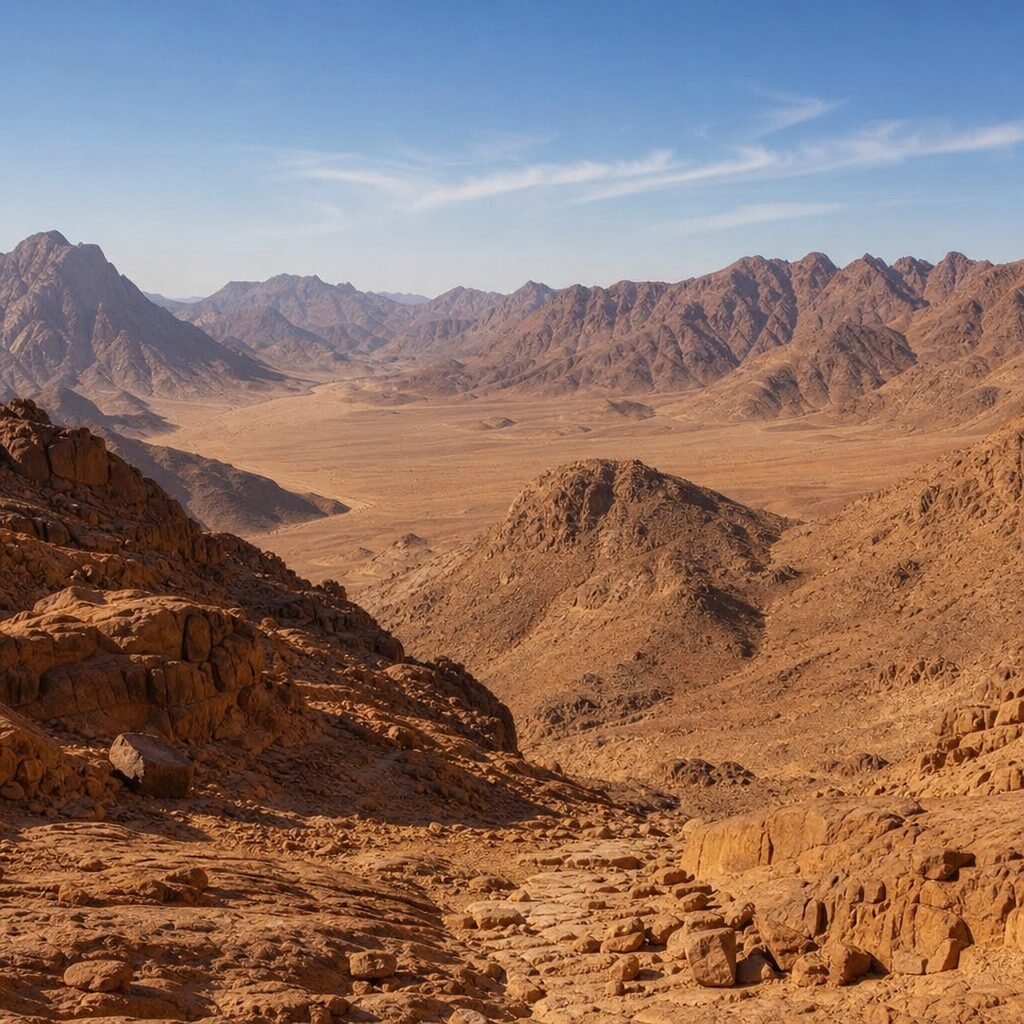
The Sinai Desert is a must-visit for anyone traveling to Egypt. Its natural beauty and historical significance are unparalleled. Prepare to be enchanted by this extraordinary desert.
The Sinai Desert in Egypt: An Overview
The Sinai Desert is an extraordinary component of Egypt’s natural environment. Stretching across the northeast, its location creates a vital connection between continents. This geographical position gives the region a distinct role in history and culture.
Flanked by the Mediterranean Sea to the north and the Red Sea to the south, the desert holds strategic significance. Its vast openness harbors secrets of ancient civilizations and beckons modern explorers. The interplay of these bodies of water enhances its unique environment.
The landscape of the Sinai Desert is remarkably diverse. It features rugged mountains, sweeping sand dunes, and mysterious oases. Each element contributes to a setting that both intrigues and challenges those who traverse it.
The climate here is characteristically arid. Summers are intensely hot, while winters remain mild and inviting. This makes it an appealing destination for visitors year-round, each season offering a different experience.
The desert’s cultural tapestry is rich and varied. It has been a vital crossroads for trade and cultural exchange. Such exchanges have shaped the desert’s unique identity over thousands of years.
Important aspects of the Sinai Desert include:
-
- Rugged terrain with high peaks and deep valleys
-
- Historical sites with biblical and archaeological importance
-
- Strong cultural presence of indigenous Bedouin communities
The allure of the Sinai Desert extends beyond its natural beauty. Its historical roots reach deep into the heart of Egypt’s past. For many, it is a living museum, preserving stories of old.
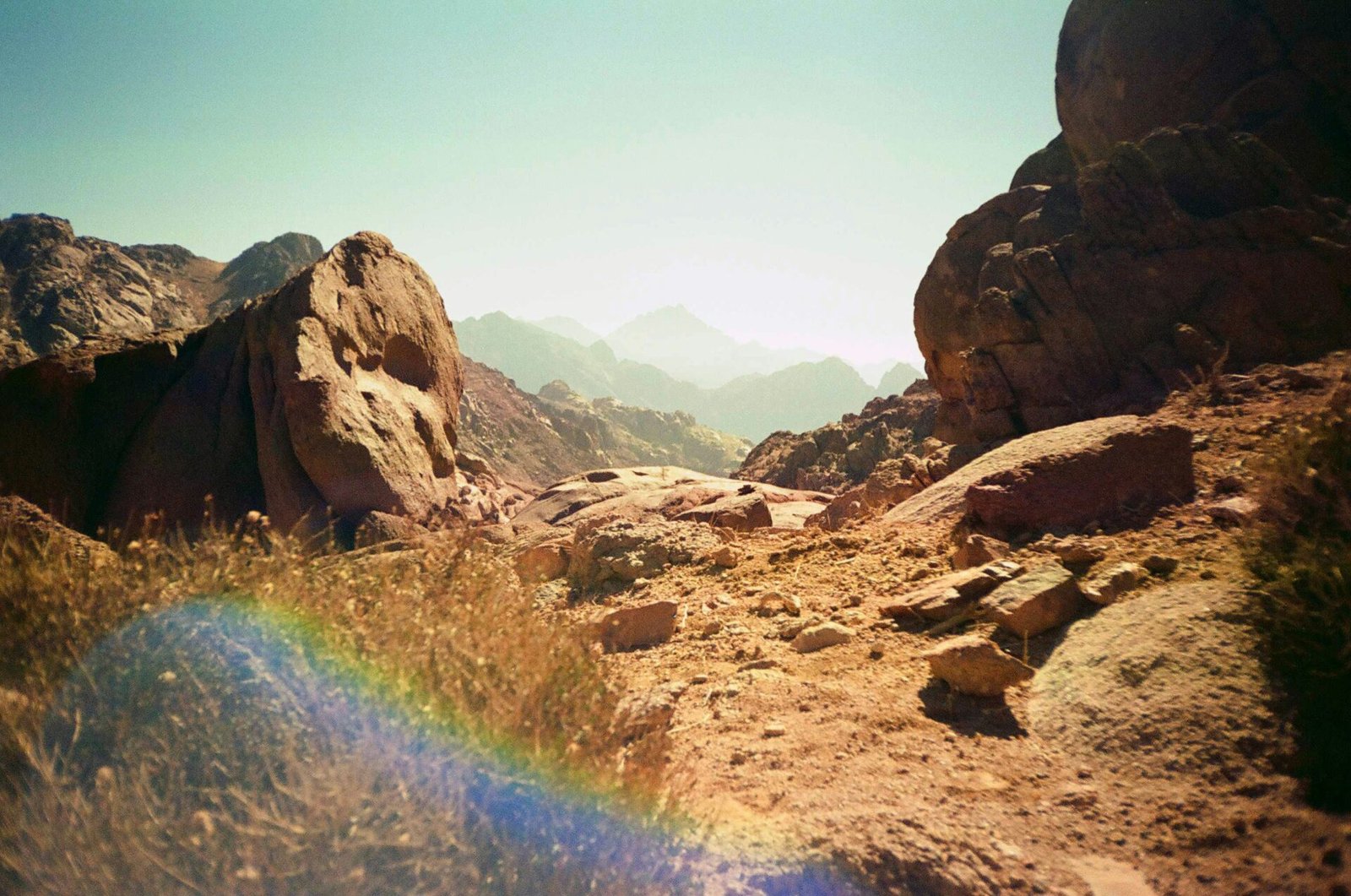
Explore this fascinating region and discover its unique blend of history, culture, and nature. The Sinai Desert offers a rich and unforgettable experience, making it a quintessential part of any Egyptian adventure.
Geography and Landscape of the Sinai Desert
The geography of the Sinai Desert is both formidable and captivating. Covering around 60,000 square kilometers, it presents a vast expanse of land rich in diversity. This area forms a bridge between Africa and Asia.
Mountains dominate the region’s rugged terrain. One of the most renowned peaks is Mount Sinai, steeped in religious significance. These majestic mountains invite trekkers to explore their untamed beauty.
The desert’s plains are equally compelling. They vary from rolling sand dunes to rocky plateaus. These features provide a stark yet visually stunning contrast to the towering mountains.
Remarkably, numerous oases are scattered across the Sinai Desert. These lush areas offer reprieve from the dry desert conditions. They support life and have historically served as vital rest points for travelers and traders.
Traveling through the Sinai, one encounters a stark but diverse beauty. The landscape changes dramatically, with each type of terrain offering its own challenges and rewards. Such variety makes the desert a dynamic and engaging environment.
Key geographical features include:
-
- Towering mountain ranges, including Mount Sinai
-
- Expansive sand dunes and rocky plateaus
-
- Numerous oases providing fertile pockets of life
The Sinai Desert’s coastlines also hold their allure. These coastal areas, adjacent to the Red Sea, feature vibrant coral reefs. They are globally renowned for diving and snorkeling opportunities.
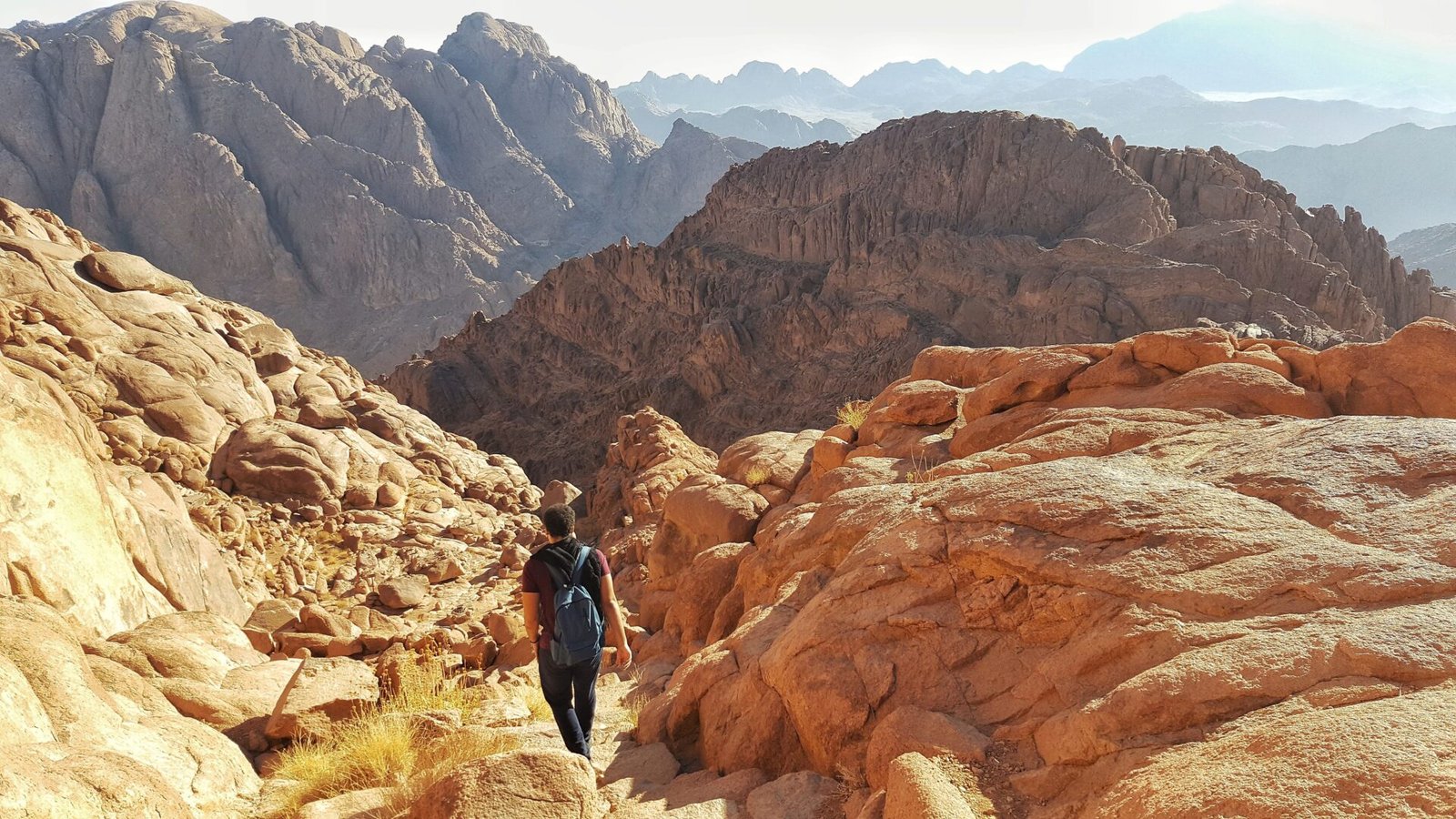
The interaction between its landforms tells a compelling story of natural evolution. Geological forces over millennia have sculpted its dramatic landscapes. This evolving beauty continues to captivate those who visit.
Every element of the Sinai Desert contributes to its formidable yet enchanting allure. A journey through the region is both a test of endurance and a celebration of nature’s splendor. As such, it stands as one of the essential destinations in Egypt for travelers seeking both adventure and beauty.
Historical and Religious Significance
The Sinai Desert is a place of immense historical and religious importance. It has been at the heart of significant events for thousands of years. This history draws pilgrims and scholars alike.
A key feature is Mount Sinai. Traditionally, it is considered the site where Moses received the Ten Commandments. This connection to biblical history makes it a sacred pilgrimage destination.
The region’s religious significance is not limited to Christianity. It also holds importance in Islam and Judaism. This multi-faith reverence enriches the cultural tapestry of the area.
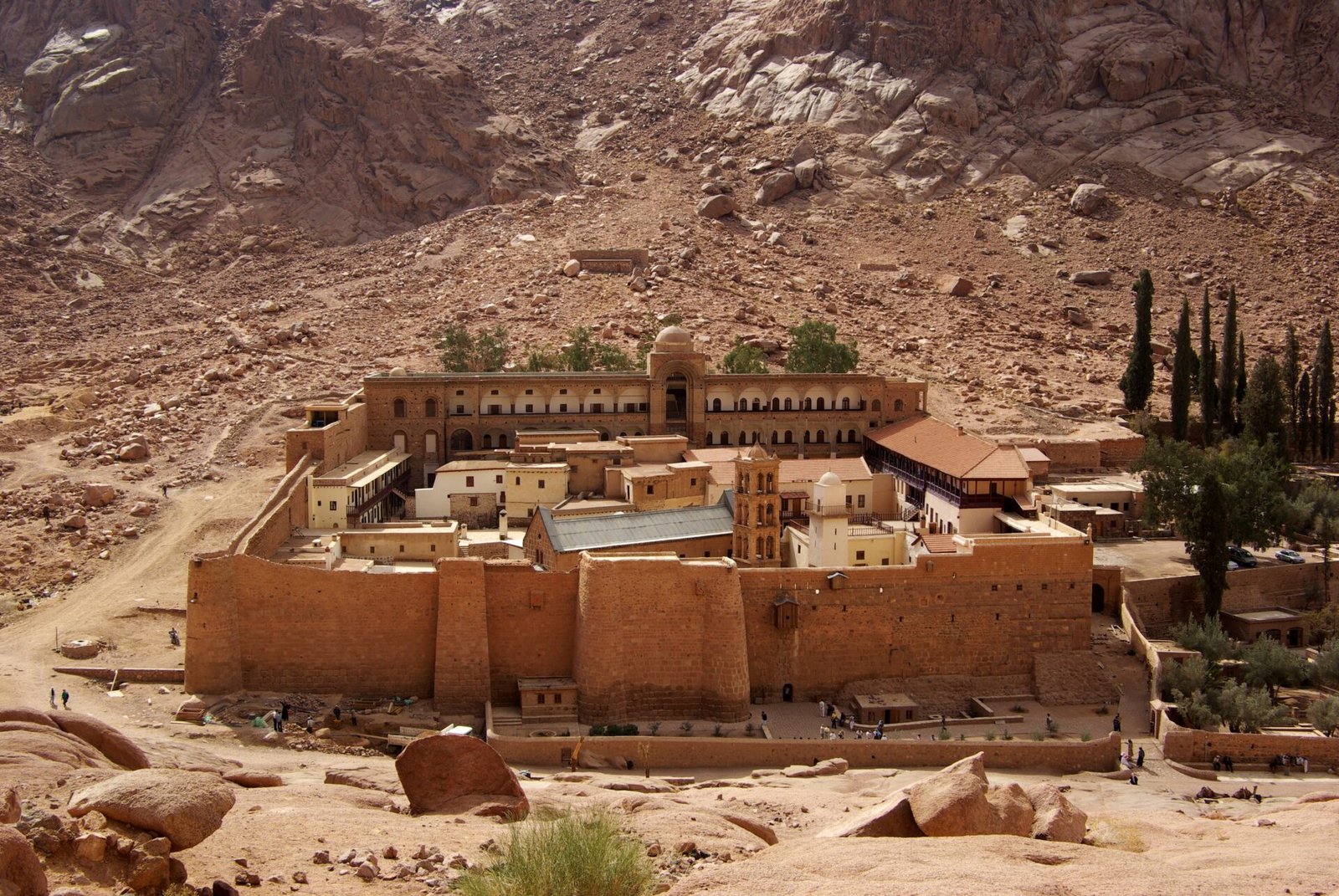
St. Catherine’s Monastery stands as a testament to this sacred heritage. It’s one of the world’s oldest working Christian monasteries. Its enduring presence highlights the region’s spiritual legacy.
Historically, the Sinai Desert served as a vital trade route. Merchants traveled through it, facilitating cultural exchange. These ancient trade paths linked cultures across continents.
The desert has witnessed many pivotal historical conflicts. Its strategic location has made it a battleground through the ages. Such histories are layered in the sands and rocks of the region.
Key historical and religious elements include:
-
- Mount Sinai’s role in Abrahamic faiths
-
- St. Catherine’s Monastery as a Christian heritage site
-
- Ancient trade routes that fostered cultural exchange
The area’s archaeological sites tell tales of bygone eras. From Pharaonic to Byzantine influences, these sites reveal diverse histories. Visitors can explore remnants of fortresses, temples, and artifacts.
Cultural memories also persist through the Bedouin tribes. They have lived in Sinai for centuries, maintaining traditions. Their oral histories preserve stories of past generations.
Every corner of the Sinai Desert offers a glimpse into profound histories. Its landscape is dotted with reminders of human and divine encounter. Exploring here is akin to walking through the pages of a living history book.
The Bedouin People: Culture and Traditions
The Bedouin people are intrinsic to the Sinai Desert’s identity. Their history in the region spans centuries, adapting to its challenging environment. They thrive with resilience, creativity, and deep-seated traditions.
Cultural practices of the Bedouins are rich and diverse. They express their culture through storytelling, dance, music, and unique art forms. Oral history is particularly crucial, preserving traditions through generations.
Hospitality is a fundamental aspect of Bedouin culture. Visitors are often greeted with warm, welcoming gestures. The sharing of tea and meals represents their generosity and sense of community.
Their nomadic lifestyle reflects a deep connection to the land. Bedouins traditionally move with seasons, livestock, and natural resources. This sustainable living ensures harmony with their arid surroundings.
Important facets of Bedouin culture include:
-
- Rich oral traditions and storytelling
-
- Strong sense of hospitality
-
- Nomadic lifestyle adaptation
Dress is also significant, reflecting practicality and tradition. Traditional garments are adapted to the desert climate, providing comfort and protection. They often feature vibrant colors and intricate patterns.
The Bedouin’s cultural knowledge extends to survival skills. They understand the desert’s nuances, from water sourcing to recognizing safe paths. This expertise has been passed down, ensuring their survival over generations.
Today, the Sinai Bedouins face challenges due to modernization. They strive to maintain their traditions amidst changing times. Sustainable tourism offers opportunities to share their heritage while preserving it.
Their enduring spirit is a testament to the human ability to flourish in seemingly inhospitable environments. Exploring Bedouin culture offers insights into a way of life that harmonizes tradition and nature.
Natural Wonders and Unique Features
The Sinai Desert boasts diverse landscapes that captivate the imagination. Each corner reveals a unique natural wonder. These features define the area’s ecological and geological significance.
A key highlight is the unparalleled beauty of the desert’s sand dunes. These shifting sands create a dynamic, ever-changing environment. At times, the dunes glow with warm, golden hues.
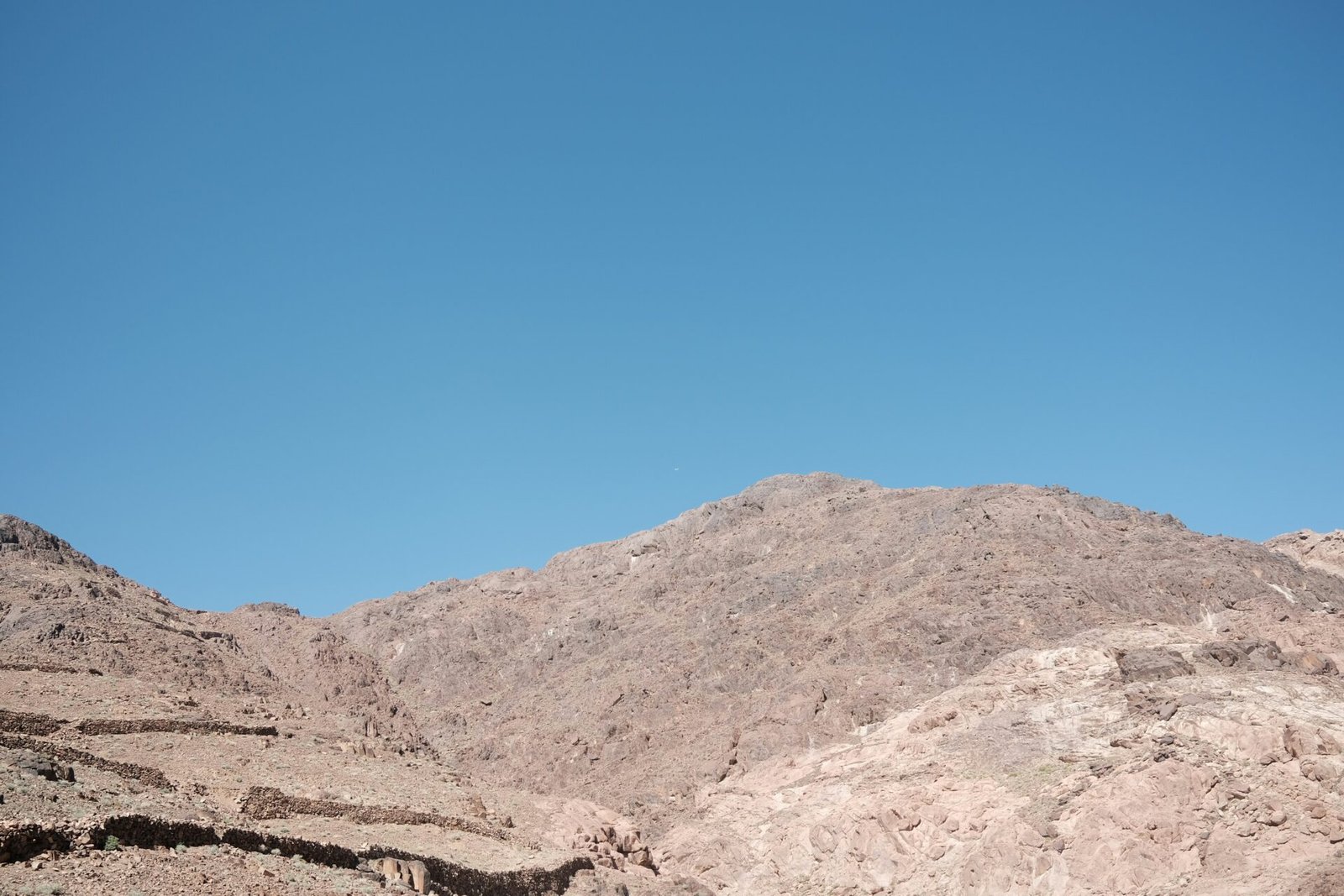
Another remarkable aspect is the desert’s rocky plateaus. These formations stand tall, reminiscent of natural fortresses. They offer breathtaking views of the vast desert expanse.
Adding to the allure are the numerous oases scattered throughout. These verdant patches of life provide a stark contrast to the dry surroundings. Palm trees and springs dot these life-giving areas.
Colorful rock layers tell ancient geological tales. These strata reveal the dynamic processes of earth’s history. They add vibrant splashes of color to the landscape.
Some of the most iconic features include:
-
- The undulating sand dunes
-
- The towering rocky plateaus
-
- The life-sustaining oases
The desert also houses hidden valleys and gorges. These secluded areas provide a haven for endemic plant and animal species. Walking through them feels like stepping into another world.
The Sinai Desert’s natural wonders not only showcase its beauty but also its resilience. This region stands as a testament to nature’s ability to thrive in adversity. It invites visitors to marvel at its enduring magnificence.
Mount Sinai: The Sacred Peak
Mount Sinai is one of the most revered sites in the world. This peak is believed to be the place where Moses received the Ten Commandments. Its religious significance draws pilgrims from across the globe.
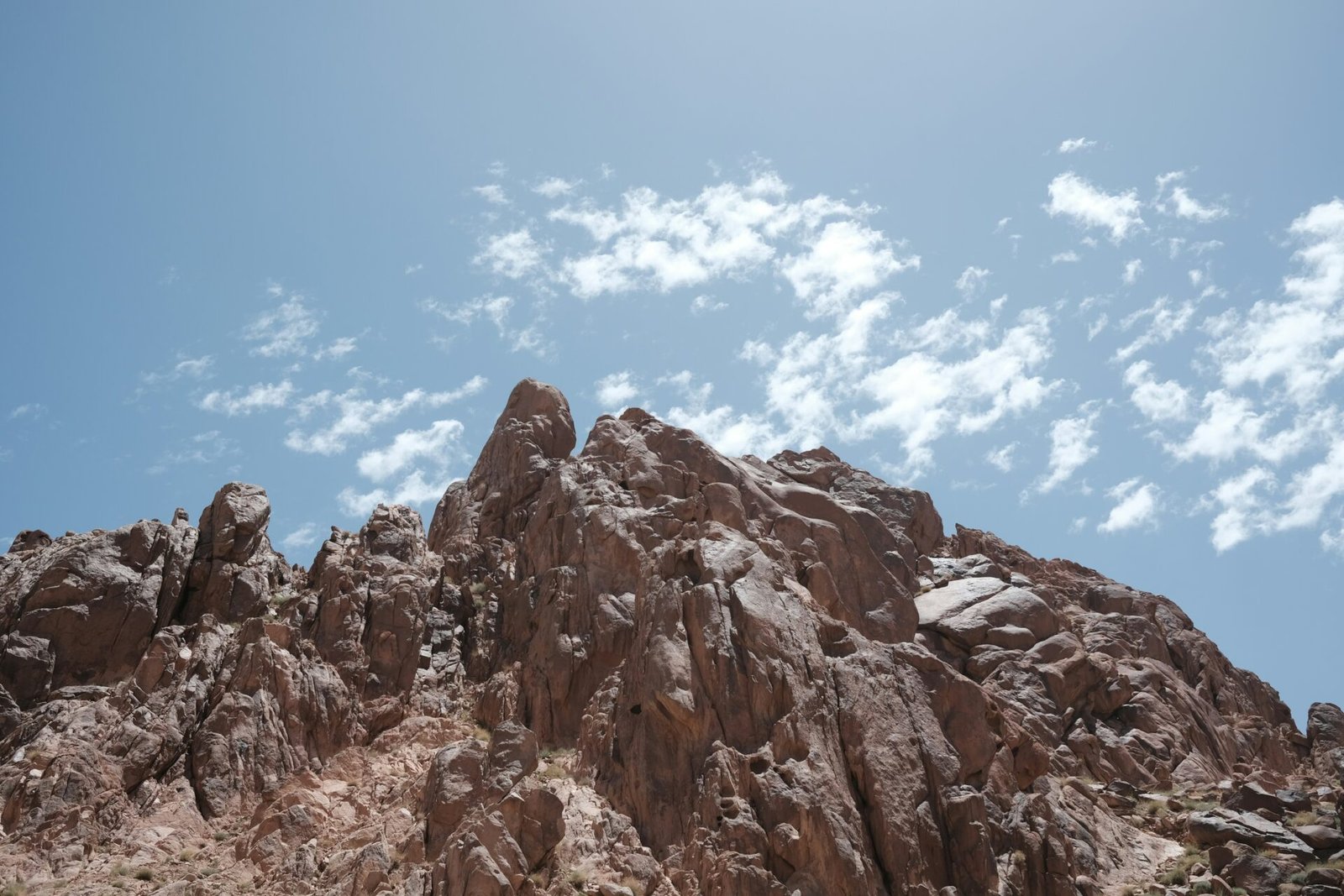
Climbing Mount Sinai is both a physical and spiritual journey. The paths leading up are well-trodden, flanked by rugged terrain. Several trails offer various experiences for adventurous travelers.
Upon reaching the summit, the views are astounding. As the sun rises, the Sinai Desert is bathed in a golden glow. It’s a moment of serene beauty that leaves many awestruck.
For visitors, Mount Sinai offers:
-
- A spiritual pilgrimage experience
-
- Stunning panoramic views from the summit
-
- A historic connection to religious texts
The mountain’s history is not just religious. It has witnessed the ebb and flow of various civilizations. Its spiritual resonance is matched by its rich archaeological relevance.
Visitors often descend with a new appreciation for the desert. Mount Sinai is a symbol of faith, history, and natural wonder. It stands as a majestic reminder of the cultural wealth of this desert region.
The Colored Canyon and Other Geological Marvels
The Colored Canyon is among Sinai’s most striking geological features. Known for its vibrant rock formations, it astonishes with every turn. The canyon’s walls shimmer in shades of red, yellow, and purple.
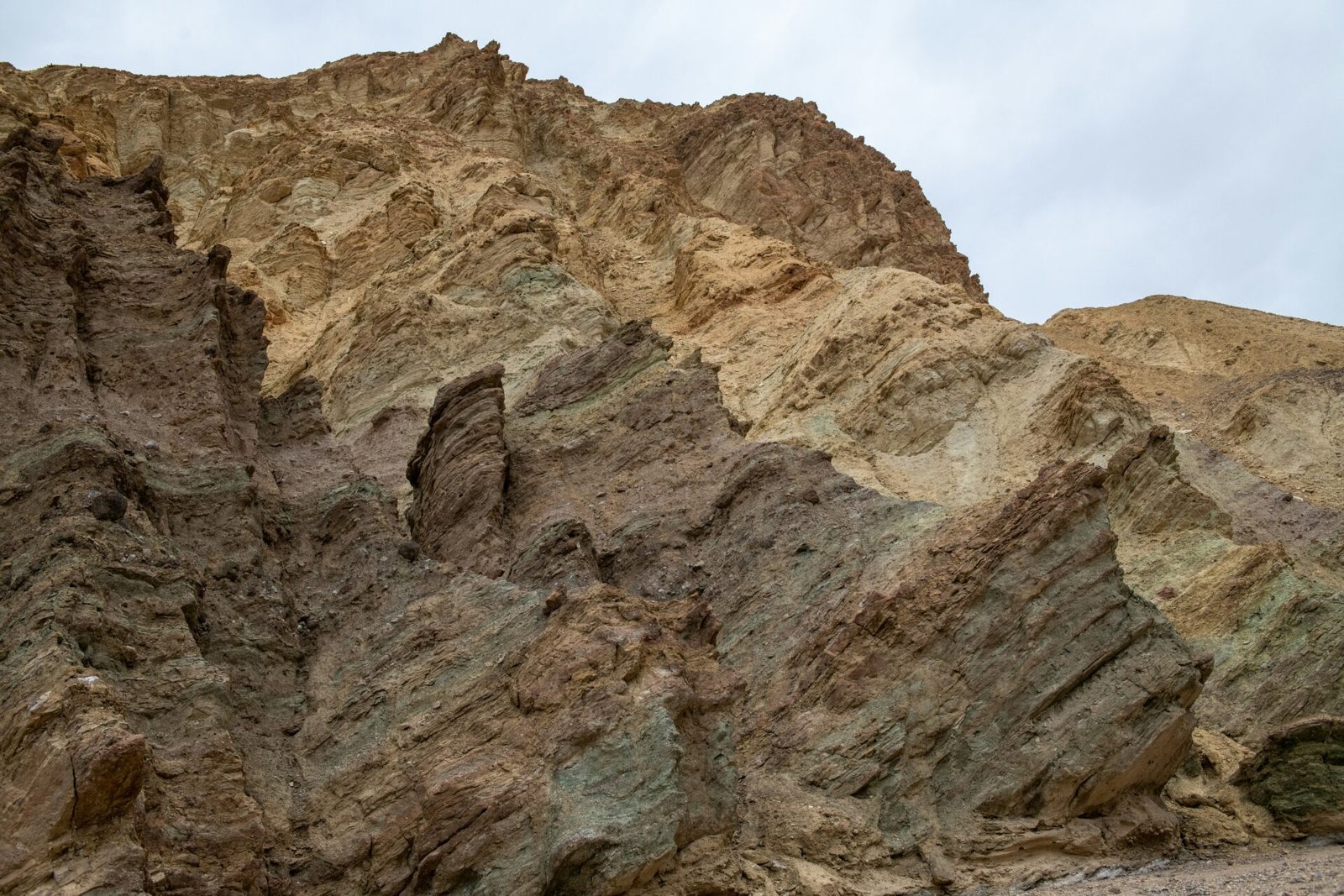
Exploring the canyon is like entering an artist’s palette. The walls appear painted by nature’s hand. Visitors marvel at the striking contrasts and fluid lines etched in stone.
The trek through this geological wonder is both challenging and rewarding. Narrow passages and steep walls add excitement and intrigue. Adventurers delight in discovering hidden corners and serene spots.
In addition to the Colored Canyon, the Sinai region is home to:
-
- The White Canyon with chalk-like formations
-
- Mushroom Rock, a unique erosion landmark
-
- Nawamis tombs, ancient stone structures
These geological formations offer a glimpse into ancient natural history. They highlight the forces that shaped the landscape over millennia. Each landmark tells a story locked in stone.
The geological variety of Sinai captures the imagination. These natural sculptures are a testament to the beauty wrought by time. Visiting the canyon is stepping into an open-air museum of earth’s artistry.
Flora and Fauna of the Sinai Desert
The Sinai Desert’s ecosystem is one of resilience and adaptation. Despite harsh conditions, life thrives amidst the stark landscape. Both flora and fauna have uniquely adapted to survive the arid environment.
Vegetation in the Sinai Desert is sparse yet significant. Acacia trees often dot the landscape, providing shade and shelter. These trees have deep roots to access underground water.
Other plants, like the hardy desert shrubs, are drought-resistant. They have small, waxy leaves to minimize water loss. These adaptations are crucial for survival in a dry climate.
The region’s fauna is just as fascinating. The Sinai desert fox, a nimble creature, is common here. It has adapted to conserve water and stay cool in the heat.
Other wildlife includes:
-
- Desert lizards that blend with the rocks
-
- Migratory birds that rest in the oases
-
- Insects that thrive in sandy soil
These animals have evolved clever ways to cope with the environment. Their behaviors and physiological traits are finely tuned to desert life. Together, the flora and fauna form an intricate ecological network.
Exploring Sinai’s plant and animal life is enlightening. The diverse adaptations found here are a testament to nature’s ingenuity. Visitors leave with a newfound respect for desert ecosystems.
Adventure and Outdoor Activities
For the adventurous, the Sinai Desert in Egypt offers a playground of thrilling outdoor activities. Its varied landscapes make it ideal for exploration and adventure. Whether on foot or by camel, each route reveals new wonders.
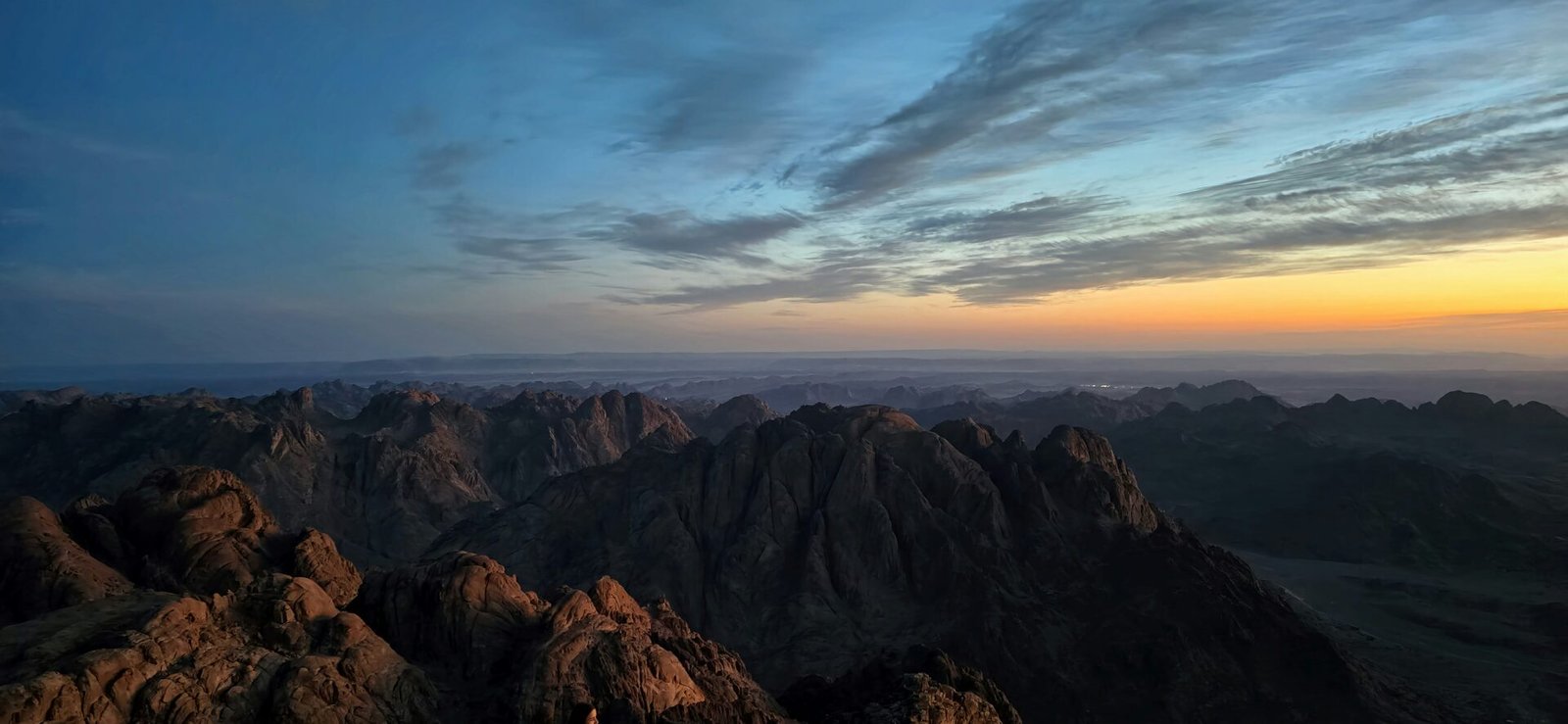
Hiking is a popular way to connect with Sinai’s terrain. Trails range from gentle paths to challenging climbs. Exploring the trails offers breathtaking views and a sense of serenity.
Camel trekking is another classic desert experience. Riding a camel through the dunes mirrors ancient caravan routes. This method of travel provides a unique perspective of the desert.
Water enthusiasts will find joy along the Red Sea coast. The vibrant coral reefs are famed worldwide. Snorkeling and diving unveil an underwater paradise.
Notable adventure activities include:
-
- Hiking trails around Mount Sinai
-
- Camel treks through golden sand dunes
-
- Diving or snorkeling the coral-rich coast
For those seeking quiet contemplation, stargazing is unparalleled here. The clear, vast sky lights up at night. Countless stars twinkle brightly against the dark backdrop.
Guided tours are available for most activities, enhancing safety and enrichment. Experienced guides share knowledge about the environment and history. They ensure an enjoyable and educational experience.
Finally, the Sinai Desert offers solitude and connection to nature. Adventures here offer an escape from modern life. Visitors leave revitalized by its peaceful beauty and expansive openness.
The Sinai Desert in the Context of Egypt’s Other Deserts
The Sinai Desert holds a special place among the deserts in Egypt. Its unique location connects continents and cultures. It serves as a natural bridge between Africa and Asia.
Egypt is home to several impressive deserts, each offering its own appeal. The Western Desert and the White Desert—often labeled ‘Western Desert Egypt’ and ‘White Desert Egypt’ in travel guides—are particularly renowned. While the Western Desert is expansive, the White Desert captivates with unique chalk formations.
Among the deserts of Egypt, the Sinai Desert differs in both landscape and history. It boasts a combination of rugged mountains and coastal sands. This diversity makes it a compelling destination for visitors.
Consider the contrasts among these main deserts:
-
- Sinai Desert: Known for rugged peaks, religious history, vibrant cultures
-
- Western Desert: Expansive and remote, rich archaeological heritage
-
- White Desert: Famous for striking white rock formations
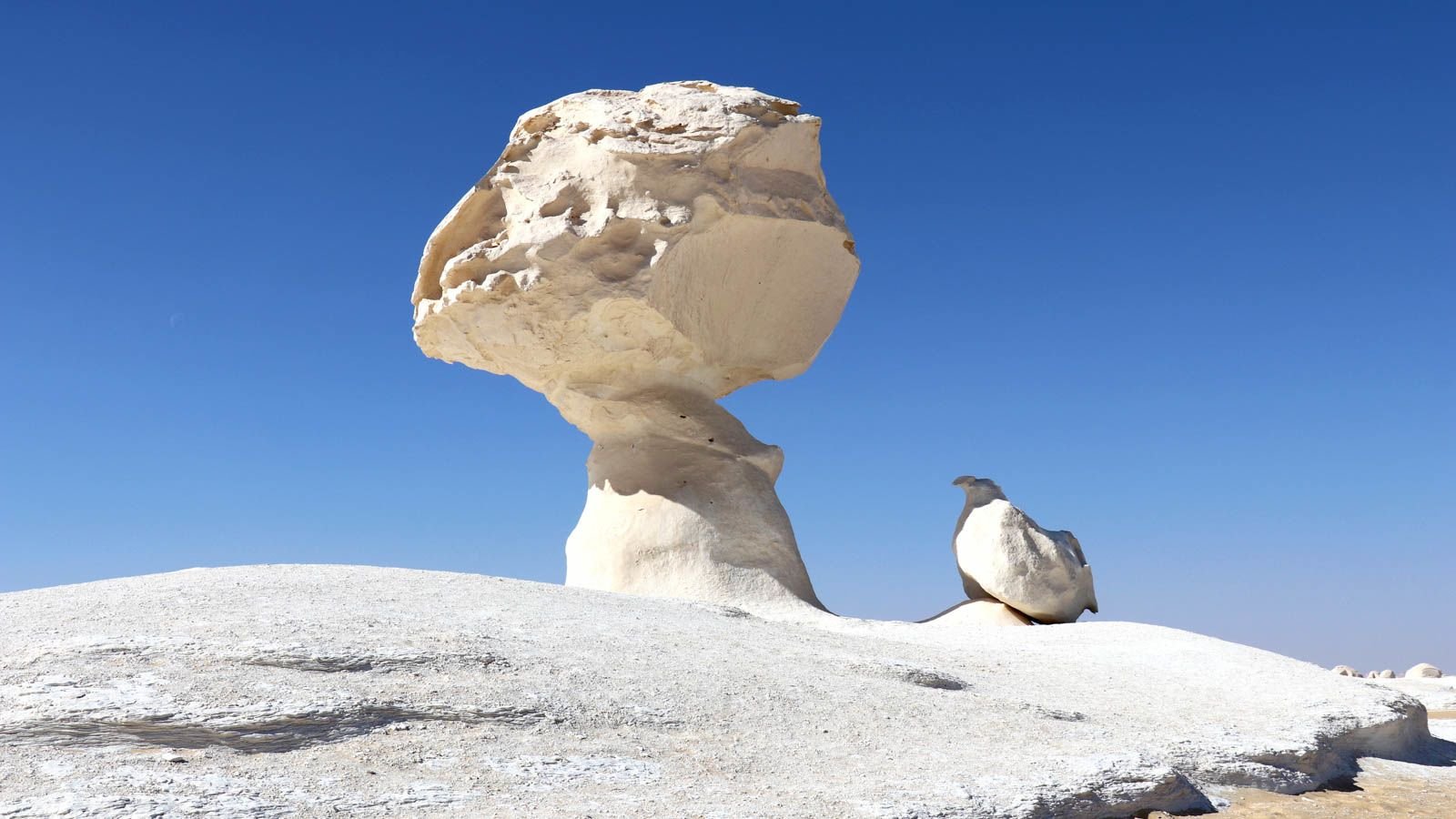
While each desert in Egypt offers something distinct, Sinai is remarkable for its interplay of history and nature. Its coastal location adds another layer of appeal. This is where sea meets desert, offering vibrant reefs juxtaposed with arid landscapes.
Understanding the Sinai within the deserts of Egypt enriches the experience. Visitors gain a deeper appreciation of Egypt’s natural diversity. Each desert tells its own part of Egypt’s vast story, with Sinai being a key chapter.
St. Catherine’s Monastery: A UNESCO World Heritage Site
St. Catherine’s Monastery lies nestled at the foot of Mount Sinai. It is one of Christianity’s oldest working monasteries. Its history dates back to the 6th century.
The monastery is revered by Jews, Christians, and Muslims alike. Tradition holds that it’s near where Moses encountered the Burning Bush. The site fosters deep spiritual connections.
One of its notable features is the library, second only to the Vatican in ancient texts. It houses an extensive collection of manuscripts and religious texts. These include the famous Codex Sinaiticus, one of the oldest biblical texts.
Visitors can explore the architectural beauty of the monastery. Its complex is built with massive stone walls. The structure is both a spiritual haven and a fortification.
Key aspects of St. Catherine’s Monastery include:
-
- Historical Significance: Continuous Christian worship since the Byzantine era
-
- Architectural Marvels: Byzantine architecture and intricate mosaics
-
- Cultural Treasures: Extensive library with ancient scrolls and icons
St. Catherine’s Monastery is a UNESCO World Heritage Site. Its cultural and spiritual importance resonates globally. Visitors leave with a profound appreciation for its historical and religious significance.
Sustainable Tourism and Conservation Efforts
Sustainable tourism is vital for the Sinai Desert. Efforts focus on preserving its natural and cultural heritage. These actions ensure the desert remains pristine and welcoming to future travelers.
Local communities actively participate in conservation. The Bedouin people are integral to these initiatives. Their knowledge contributes to maintaining the desert’s ecological balance.
Several organizations promote eco-friendly practices. They work to minimize tourism’s environmental impact. This includes promoting waste reduction and energy conservation among visitors.
Key conservation measures include:
-
- Community Engagement: Involving local tribes in preservation activities
-
- Eco-Friendly Initiatives: Encouraging sustainable travel practices for visitors
-
- Education Programs: Raising awareness about the desert’s unique ecosystem
Government policies also play a role in conservation. Protected areas are established to safeguard sensitive sites. These policies help maintain the integrity of significant landmarks and wildlife habitats.
The emphasis on sustainable tourism fosters respect for the Sinai Desert. Visitors are encouraged to tread lightly. This approach ensures that the desert remains a source of wonder for generations to come.
Travel Tips for Visiting the Sinai Desert
Visiting the Sinai Desert promises an unforgettable experience. Being prepared enhances your adventure. Consider a few essential tips before embarking on your journey.
Pack appropriately for the desert climate. Days can be scorching while nights turn chilly. Layered clothing is ideal for adjusting to these temperature changes.
Stay hydrated and carry plenty of water. The arid environment can quickly lead to dehydration. Always have a supply with you, especially during excursions.
Respect local customs and traditions. The Bedouin culture is rich and fascinating. Adhere to their practices to ensure a respectful visit.
Useful travel tips:
-
- Clothing: Wear light, breathable fabrics during the day
-
- Footwear: Use sturdy hiking boots for rocky terrains
-
- Safety: Travel with a guide to explore safely
Finally, secure necessary travel permits. Some areas may require them for entry. Check with local authorities or tour operators for updated information. Planning ahead ensures a smooth and enjoyable desert adventure.
Stargazing and the Night Sky in Sinai
The Sinai Desert offers a mesmerizing celestial display. Far from city lights, the night sky lights up brilliantly. Stargazing here is truly spectacular.
With minimal light pollution, countless stars are visible. The Milky Way arcs across the sky, a breathtaking sight. For astronomy lovers, Sinai is a paradise.
Plan your stargazing for clear nights. A warm blanket keeps you comfortable as temperatures drop. Use a star map or an app to identify constellations and planets.
Essential stargazing items to bring:
-
- Telescope or binoculars: Enhance distant views
-
- Red flashlight: Preserve night vision
-
- Star charts: Locate celestial bodies easily
In Sinai, the universe seems within reach. The vastness above instills awe and wonder. Such experiences make the Sinai Desert unforgettable, enhancing any visit with its natural beauty and tranquility.
Planning Your Journey: How to Get There and Where to Stay
Reaching the Sinai Desert is easier than you think. Major cities like Cairo and Sharm El Sheikh serve as gateways. From these hubs, various transport options are available.
Travelers can choose from buses, flights, or private transfers. Buses offer an affordable option, though routes might be lengthy. Domestic flights to Sharm El Sheikh are quick and convenient.
Accommodations in Sinai cater to diverse preferences. Luxury resorts near the Red Sea offer comfort and views. Alternatively, eco-lodges provide a closer connection to nature.
When planning your trip, consider these options:
-
- Resorts: Ideal for relaxation by the sea
-
- Eco-lodges: Immerse in the desert environment
-
- Camping: Experience the desert’s tranquility firsthand
Booking in advance ensures availability, especially in peak seasons. Wherever you decide to stay, embrace the adventure that comes with exploring Sinai. The beauty and history of this region promise a memorable journey that nourishes the soul.
Conclusion: Why the Sinai Desert Should Be on Your Bucket List
The Sinai Desert offers an unparalleled fusion of history and beauty. Its landscapes evoke a timeless allure that captivates all who visit. This desert’s rich cultural and religious past is just waiting for discovery.
A journey through Sinai is more than a typical holiday. From the sacred heights of Mount Sinai to the vivid hues of the Colored Canyon, it is a voyage for the soul. Such experiences leave lasting impressions on travelers seeking meaningful escapes.
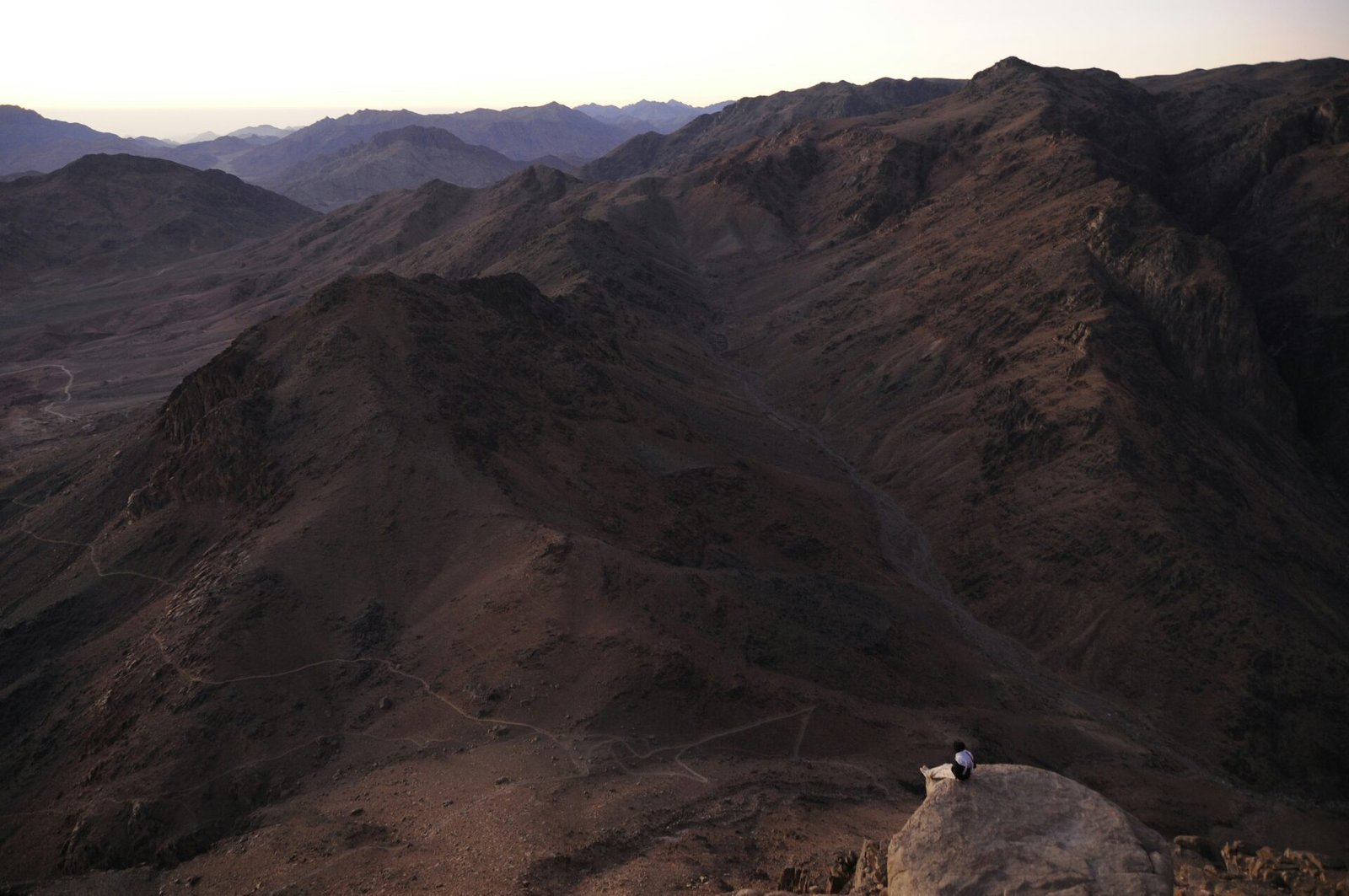
Whether you crave adventure or serenity, the Sinai Desert presents unmatched opportunities. Stargazing under clear night skies and treks through ancient paths promise unique adventures. Adding Sinai to your travel plans guarantees memories that will remain cherished forever. Embark on this journey and let the stories of the desert shape your own.
Frequently Asked Questions
Question: What makes the Sinai Desert unique compared to Egypt’s other deserts? Short answer: Sinai is a true crossroads—linking Africa and Asia and bordered by the Mediterranean to the north and the Red Sea to the south. This geography shapes a rare blend of rugged mountains (including the sacred Mount Sinai), serene oases, and coral-rich coastlines, all layered with deep religious and historical significance and a vibrant Bedouin culture. By contrast, Egypt’s Western Desert is vast and remote with rich archaeology, while the White Desert is famed for its striking chalk formations.
Question: What are the must-see sights and best activities in Sinai? Short answer: Top highlights include climbing Mount Sinai for panoramic sunrise views, visiting St. Catherine’s Monastery (a UNESCO World Heritage Site with an exceptional manuscript library), and exploring geological marvels like the Colored Canyon, the White Canyon, Mushroom Rock, and the Nawamis tombs. Signature activities span hiking and camel trekking across dunes and rocky plateaus, world-class snorkeling and diving along the Red Sea’s vibrant coral reefs, and unforgettable stargazing under exceptionally dark skies. Guided tours are widely available to enhance safety and context.
Question: When is the best time to visit, and how should I prepare for the climate? Short answer: The Sinai Desert is a year-round destination: summers are intensely hot, while winters are mild and inviting. Plan strenuous hikes for early morning or late afternoon, and expect cooler nights. Pack light, breathable layers for daytime, warm layers for evenings, sturdy hiking boots, ample water, and sun protection. Some areas require permits—check with local authorities or tour operators in advance.
Question: How can I engage respectfully with Bedouin culture and support sustainable tourism? Short answer: Embrace Bedouin hospitality with gratitude (sharing tea and meals), dress modestly, and always ask before taking photos. Choose community-based guides and eco-lodges, stay on established paths, and minimize waste, water use, and energy consumption. Local Bedouin knowledge is central to conservation, and visitor choices—like packing out trash and respecting customs—help preserve Sinai’s fragile ecosystems and living heritage.
Question: How do I get to Sinai, and where can I stay? Short answer: Cairo and Sharm El Sheikh are the main gateways. You can reach Sinai by bus, private transfer, or a quick domestic flight to Sharm El Sheikh. Accommodation options range from luxury Red Sea resorts to eco-lodges and desert camping for a closer connection to nature. Book ahead in peak seasons, and consider traveling with a guide for safer, more insightful exploration.