
Egypt‘s White Desert is a mesmerizing landscape unlike any other. Often called White Desert Egypt in travel guides, it captivates with its surreal beauty and unique formations.
Located in the Farafra Depression, this desert is a natural wonder in the desert of Egypt. It is part of the vast Sahara Desert, the largest hot desert on Earth, and a highlight of the Egypt Sahara Desert.
The White Desert is famous among the deserts of Egypt for its chalk rock formations. These formations have been sculpted by wind over millions of years.
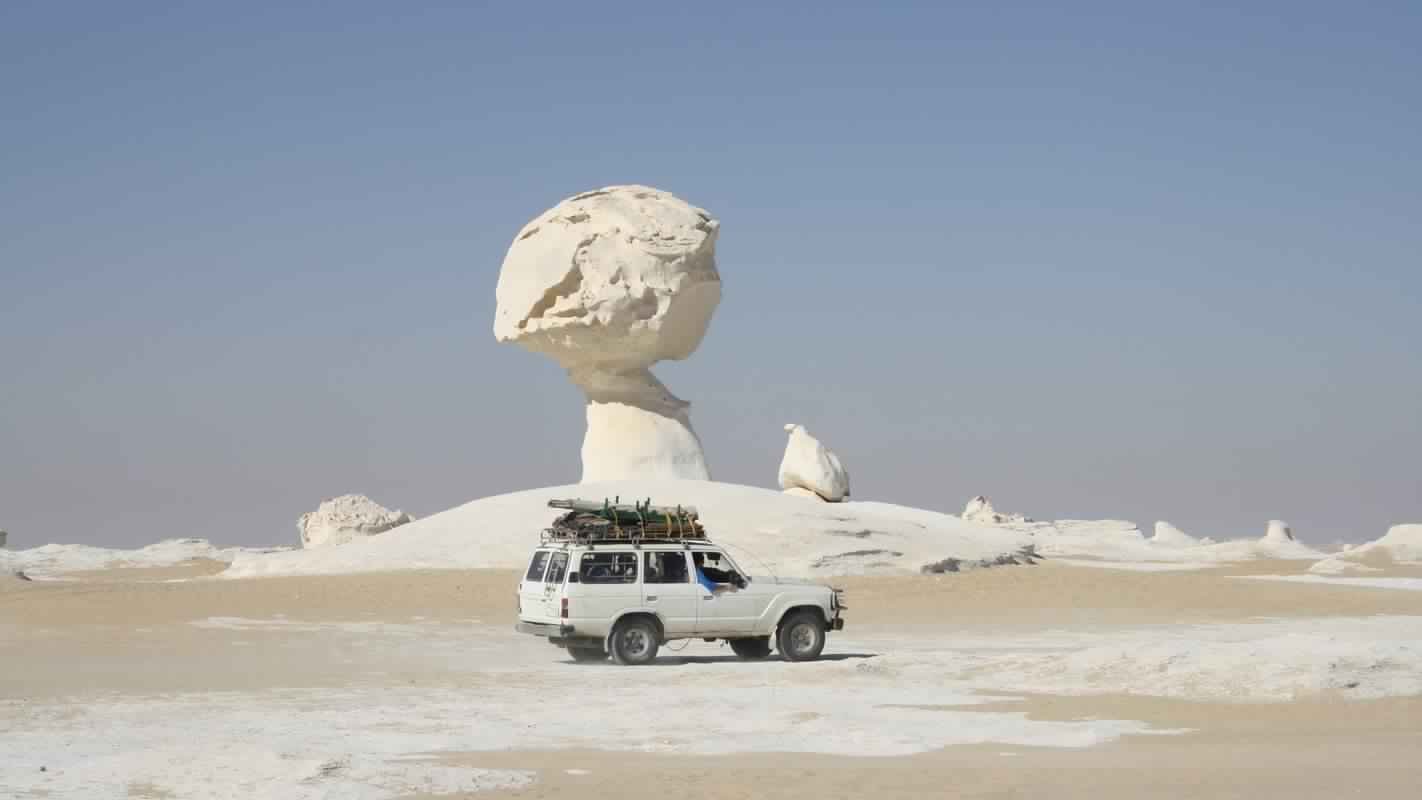
Visitors often describe the landscape as otherworldly. The rocks resemble mushrooms, ice cream cones, and even abstract sculptures.
This desert was once submerged under a vast sea. Its geological history is as fascinating as its current appearance.
In 2002, the White Desert was designated a national park. This status helps protect its unique environment and cultural significance within a protected desert in Egypt.
The desert is a haven for adventure seekers and nature lovers. It offers opportunities for camping, hiking, and stargazing.
Nearby, the Black Desert provides a stark contrast. Its volcanic hills add to the region’s diverse landscapes, often explored together as the Black and White Desert Egypt circuit.
The White Desert is also culturally rich. Nearby oases are home to Bedouin communities, offering a glimpse into traditional life.
Travelers can explore the desert through guided tours. These often start from Cairo or the Bahariya Oasis on desert Egypt itineraries.
Prepare for an unforgettable journey into one of Egypt’s most stunning natural wonders and most iconic deserts of Egypt.
The White Desert: Egypt’s Surreal Natural Wonder
The White Desert stands out for its breathtaking scenery and solitude in the desert of Egypt. This stark expanse is filled with peculiar formations.
A visit here feels like stepping onto another planet. It’s no wonder many describe the area as dreamlike.
The desert’s most iconic features are its chalk-white rock sculptures. They are formed from limestone that has eroded over time.
Tourists are often amazed by the shapes, which resemble mushrooms and animals. Some see fantastical creatures in the rocks.
Common formations include:
-
- Giant toadstools
-
- Towering spires
-
- Abstract statues
The White Desert’s grandeur attracts artists, photographers, and nature enthusiasts. Its unique scenery is an endless source of inspiration across the Egypt desert.
People are drawn here for more than just the views. The silence and remoteness offer a peaceful escape from urban life.
The weathered landscape is alive with stories. Millions of years ago, this desert was part of a vast ocean.
This distant past adds mystery to the landscape. It evokes a sense of timelessness that one can’t help but feel.
Guided tours are the best way to see the desert safely. They help visitors understand its significance and natural wonder.
Besides the formations, the desert offers spectacular sunsets and star-filled skies. This adds to its surreal beauty.
The White Desert is not just a feast for the eyes. It is a place to reflect, discover, and renew the spirit.
To explore this desert is to witness nature’s artistry at its finest. Its surreal charm makes it an unmatched marvel. 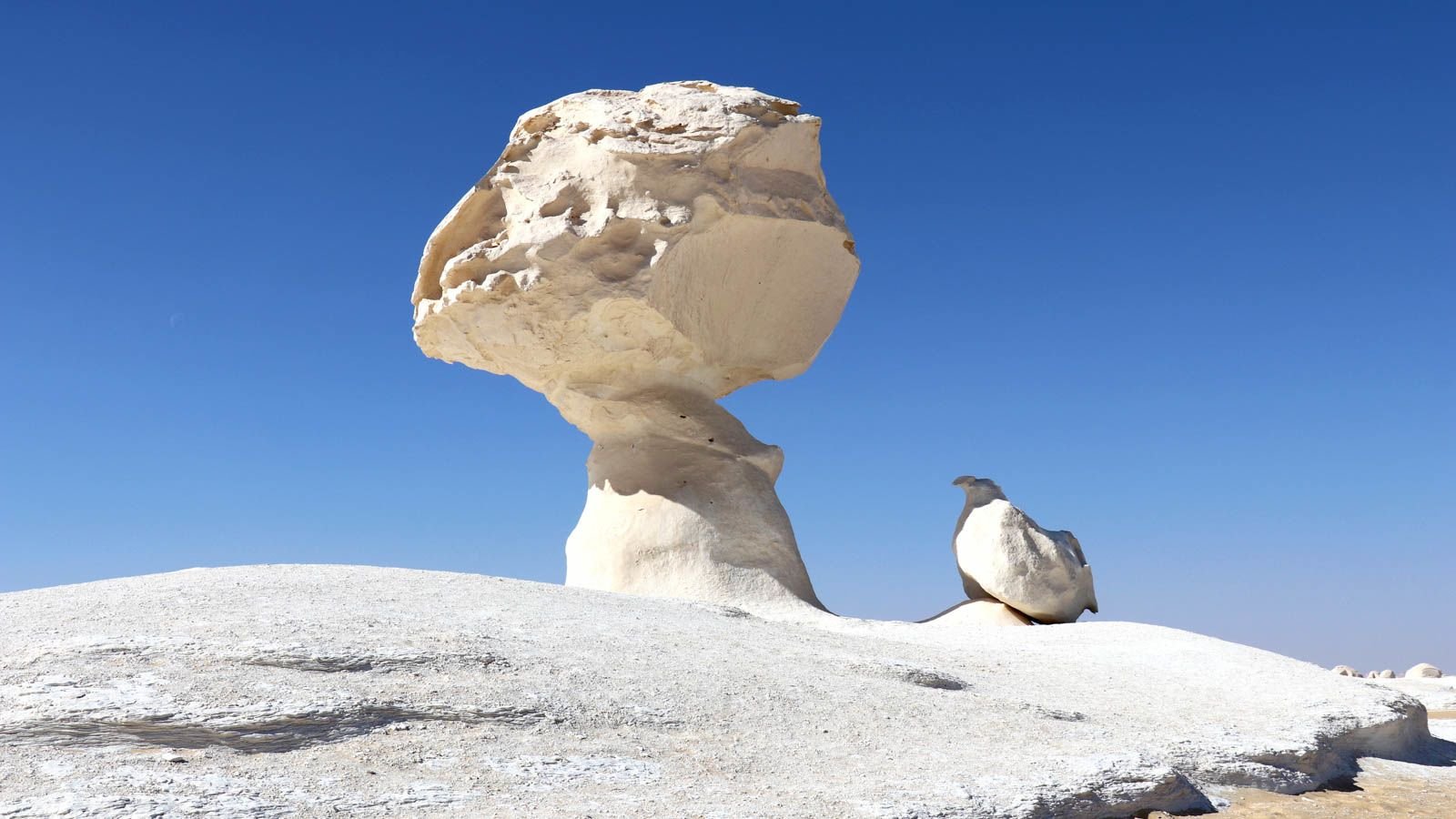
Geological Marvels: How the White Desert Was Formed
The White Desert is a testament to Earth’s dynamic changes over millions of years. This remarkable desert in Egypt was once part of a seabed.
Back in ancient times, a vast ocean covered this region. Over time, environmental shifts caused the sea to recede.
As the waters disappeared, the remaining seabed revealed rich layers of sediment. These sediments gradually hardened into chalky limestone.
Wind and sand played their relentless roles in molding the landscape. Over countless centuries, they sculpted the White Desert’s iconic shapes.
Natural forces shaped the desert into a stunning collection of sculptures. Here are a few key elements of the process:
-
- Wind erosion sculpted distinct formations.
-
- The limestone composition contributed to the white color.
-
- Continuous exposure to elements carved intricate designs.
These processes gave birth to the desert’s peculiar formations. The fantastic structures stand as silent witnesses to the past.
The wind did more than just shape. It also etched fine details into the limestone over time. This provided even more texture to the surface.
That exquisite texture captures light in fascinating ways. It seems to change the formations at different times of the day.
The transformations from solid seabed to towering sculptures are awe-inspiring. This illustrates the power and patience of nature.
Today, the intricate geology of the White Desert draws scientists and tourists alike. It is renowned among deserts in Egypt for both its beauty and its historical significance.
Understanding these processes enhances the visitor’s experience. Knowledge enriches the appreciation of its natural artistry. 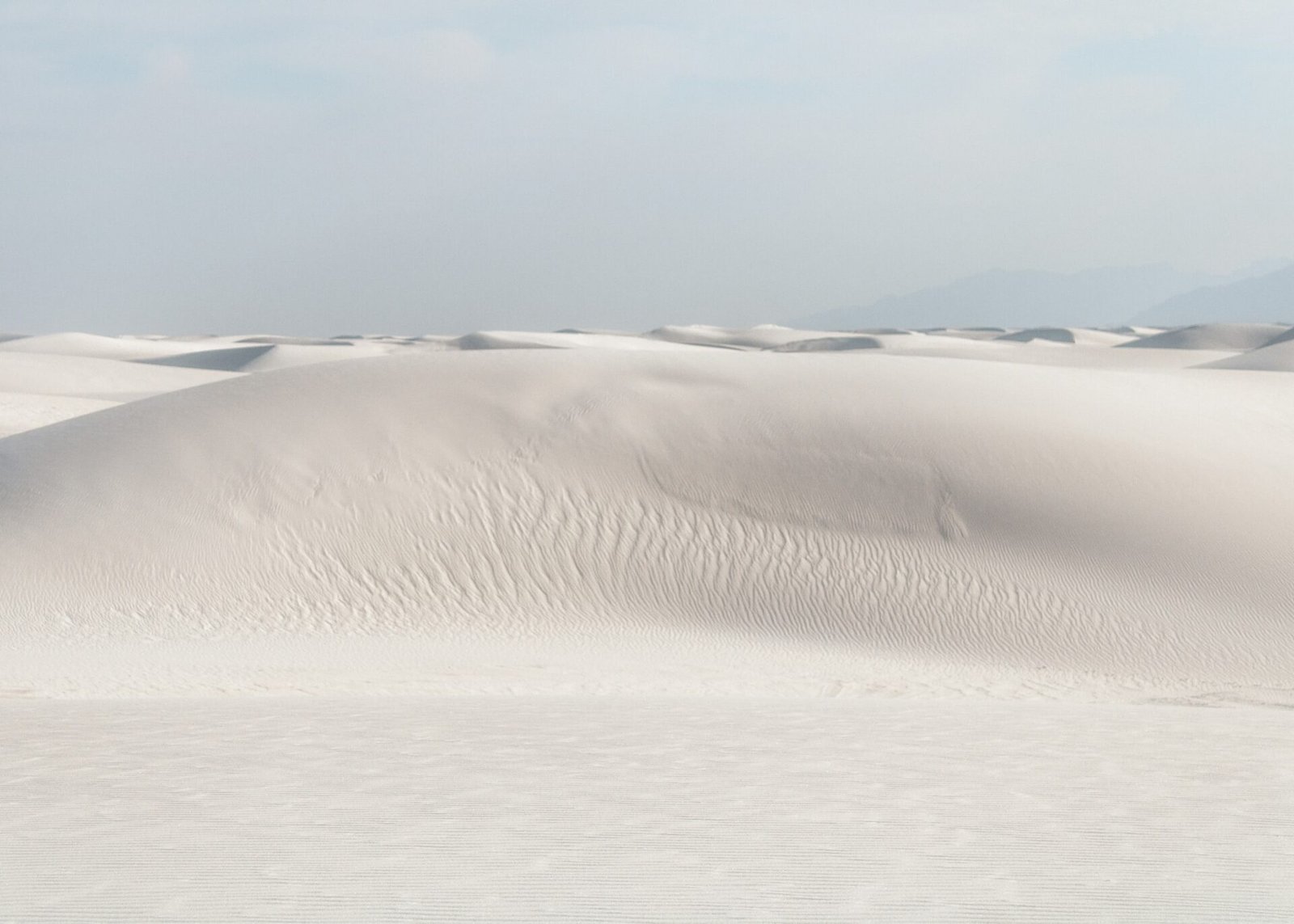
Location and Geography: Where Is the White Desert?
The White Desert lies in the Farafra Depression, a region in Egypt’s Western Desert, one of the most distinctive Egypt desert landscapes. This desert is part of the vast Sahara, the world’s largest hot desert.
Farafra is not just known for the White Desert. It also houses the town of the same name, which is the nearest settlement. Visitors often base themselves here before venturing into the desert.
This geographical wonder is approximately 500 kilometers southwest of Cairo. Travelers can access the area via various means, often starting their journey in the Egyptian capital.
The landscape is defined by its mesmerizing white chalk rock formations. These emerge against the backdrop of an expansive, barren terrain.
Key geographical highlights include:
-
- Farafra Depression: Located in the Sahara, it harbors the White Desert.
-
- Proximity to the Black Desert: A contrastingly dark, volcanic area nearby.
-
- Oases: The region includes several lush oases, providing vital life support.
The White Desert occupies a significant ecological and geological niche within Egypt. Its distinct features make it unlike any other place in the world.
In the heart of the desert, visitors can find quietude that contrasts the bustling cities of Egypt. The desert’s isolation adds to its otherworldly allure.
Explorers often use 4×4 vehicles for traversing the rugged terrain. It’s a journey through striking natural beauty, steeped in ancient history and mystery. 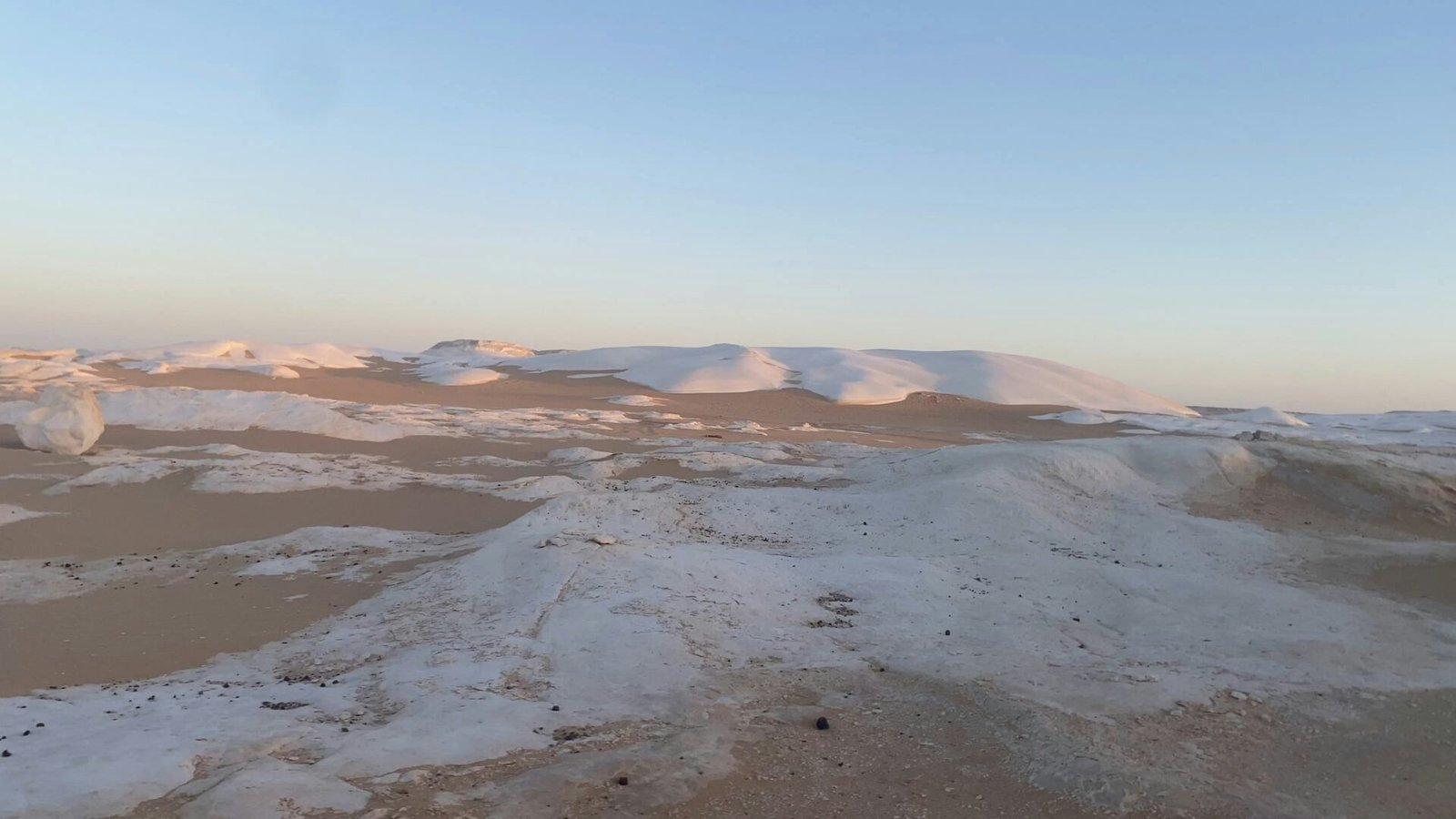
The White Desert National Park: A Protected Treasure
The White Desert National Park was designated in 2002. It safeguards a unique blend of landscapes and geological formations. This protected status ensures the preservation of its unparalleled beauty and ecological significance.
This national park stretches over a vast expanse, offering an enchanting view for visitors. The white chalk rock formations, sculpted by winds over millennia, are its main attractions. These formations are not only visually stunning but also tell a story of Earth’s history, making it a standout among the deserts of Egypt.
Within the park, one encounters an array of bizarre and fantastical shapes. These range from towering structures reminiscent of mushrooms to formations resembling ice cream cones. Such peculiar shapes are a testament to nature’s artistry.
Key aspects of the White Desert National Park include:
-
- Protection of Geological Wonders: Ensures conservation of unique formations.
-
- Cultural Significance: Inhabited by Bedouin communities with rich traditions.
-
- Biodiversity: Home to flora and fauna adapted to harsh desert conditions.
The park serves as a crucial habitat for wildlife, including rare species. Various plants, insects, and animals have adapted to the arid climate, finding refuge here. This biodiversity highlights the ecological value of this desert region.
Conservation efforts within the White Desert National Park are vital. They help maintain the integrity of its landscapes and support the sustainable interaction between humans and nature.
For any adventurer, the park offers an escape into a world untouched by time. Exploring it brings a sense of wonder and respect for Earth’s natural treasures. 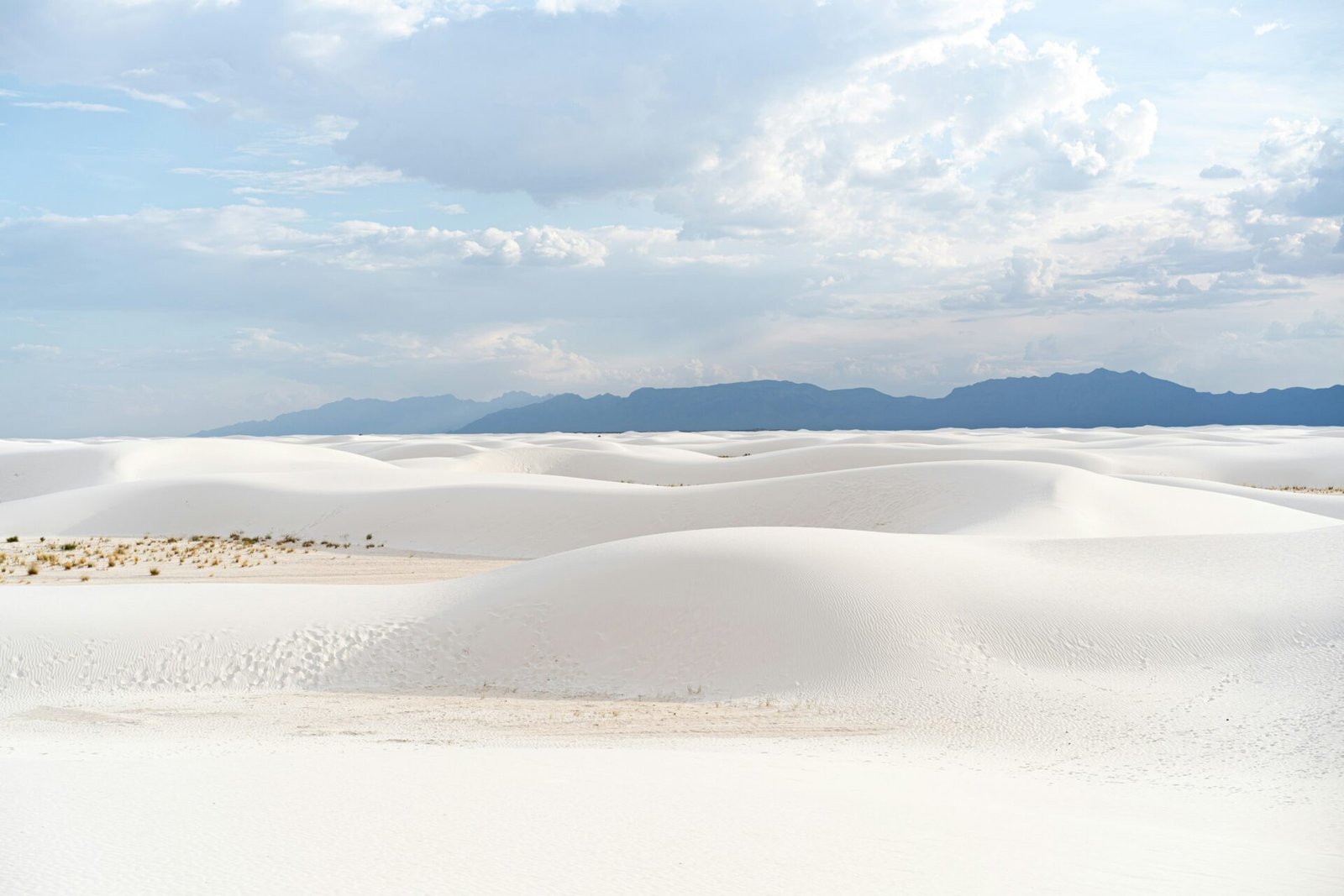
Unique Rock Formations: Nature’s Sculptures
The White Desert is renowned for its unique rock formations. These natural sculptures are created by wind erosion, an artist in its own right. Over countless years, these forces carved the landscape into mesmerizing shapes.
The desert features formations that seem almost alien. Mushroom-like structures stand tall across the desert floor. Nearby, rocks tower in the form of giant ice cream cones. This peculiar landscape gives visitors a sense of mystery.
These formations vary in size and complexity, making each visit distinct. Their surfaces are smooth yet jagged, a product of both relentless winds and time. The variations in color, from white to cream to golden hues, captivate the eyes.
The diversity and beauty of these formations reflect the desert’s charm. Here are some notable formations to observe:
-
- Mushroom Rock: Among the most iconic, resembling an enormous mushroom.
-
- The Domes: Round structures that could be mistaken for ancient ruins.
-
- Chicken and Tree: Quirky shapes that capture the imagination with their distinct features.
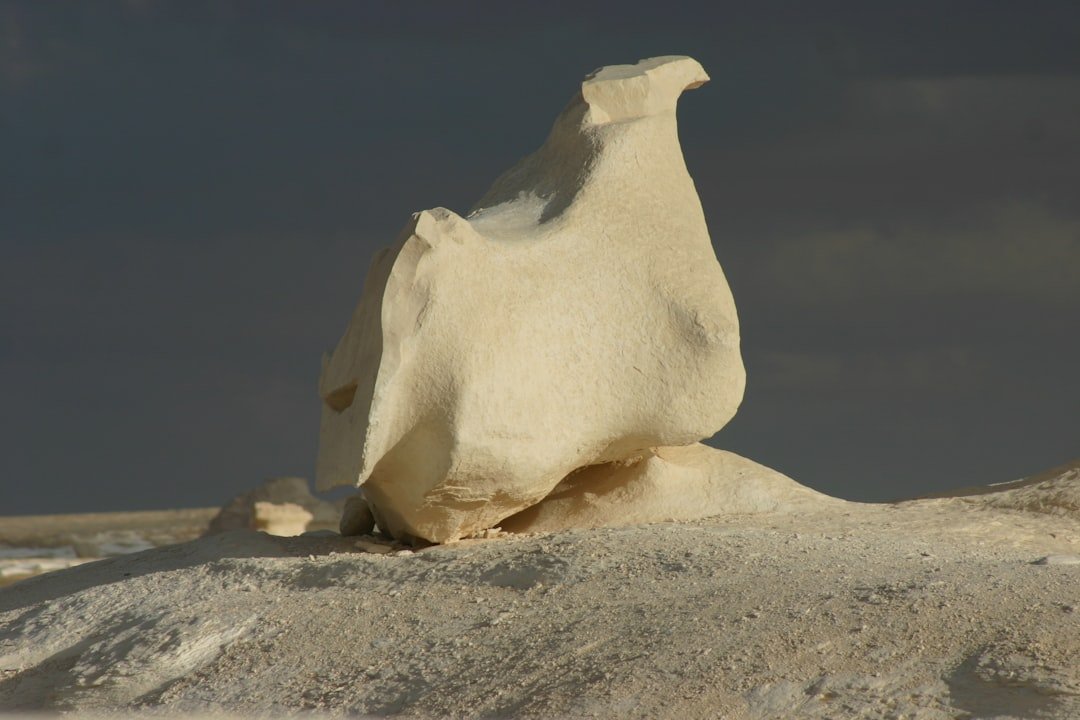
Travelers often find themselves drawn to the formations’ surreal appearances. Exploring them, whether on foot or through a guided tour, is an unforgettable experience. Each rock tells a silent story of erosion and the passage of time.
These formations also offer photographers a paradise of opportunities. The contrast between light and shadow across the white rocks creates dramatic visuals. Capturing these moments during sunrise or sunset provides breathtaking images.
The White Desert’s unique rock formations are more than just geological phenomena. They embody the desert’s ethereal essence, inviting all who visit to ponder and marvel at nature’s creativity.
The Black Desert and Crystal Mountain: Contrasts Nearby
Adjacent to the White Desert lies the Black Desert. This region stands in stark contrast with its dark volcanic hills. These hills, covered in black stones, are remnants of ancient volcanic activity.
The landscape here is captivatingly different. Rather than the ethereal white, the Black Desert’s terrain is deep and mystifying. The dark stones scattered across the sand add to its alien allure.
The proximity of these contrasting deserts is a natural wonder in itself. The Black Desert’s hills loom dramatically. Exploring them feels like stepping into another realm.
Not far from these dark landscapes is Crystal Mountain. This mountain is a unique geological feature. Its name is derived from the sparkling quartz crystals embedded within it.
Crystal Mountain gleams in the sun, shimmering brilliantly. It stands as a natural jewel in the vast desert expanse. Visitors are often enchanted by its glittering appearance.
Here are some highlights of these attractions:
-
- Volcanic Hills: The Black Desert’s defining feature, rich in geological history.
-
- Crystal Mountain’s Summit: Offers panoramic views of both the Black and White Deserts.
-
- Quartz Riches: The crystals at Crystal Mountain glisten beautifully in sunlight.
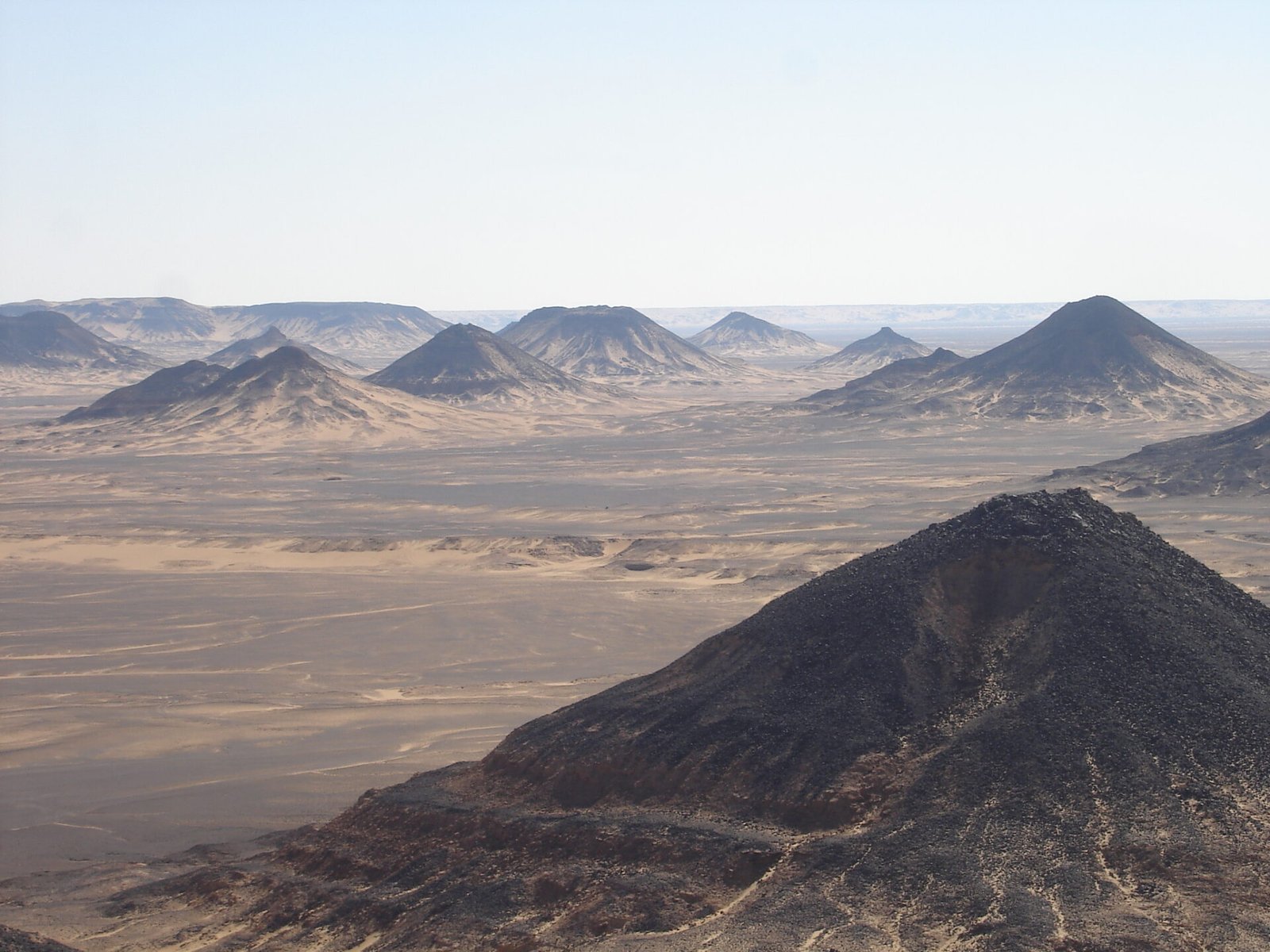
Tourists are drawn to this region for its striking contrasts. The transition from black to white and back to crystalline makes for an exhilarating adventure. This area provides rich material for photographers and thrill-seekers alike.
Journeying from the White Desert to these neighboring landmarks can be arranged via tours. Travelers often include both in their itineraries. This allows for a full appreciation of the diverse landforms found in the desert of Egypt.
Flora and Fauna: Life in the Desert of Egypt
Despite its harsh environment, the White Desert is teeming with life. Unique flora and fauna have adapted to survive the extreme conditions. This adaptability is a testament to nature’s resilience.
The desert’s plant life is minimal but fascinating. Small shrubs and thorny bushes are the most common flora. These hardy plants have deep roots to access underground water sources.
Animal life in the desert is equally intriguing. You might spot creatures like the fennec fox or the desert hare. These animals are well-suited for the sparse, arid landscape.
Their nocturnal habits help them avoid the daytime heat. Camouflaged insects and reptiles are also present. They seamlessly blend with the sand to evade predators.
Here’s a glimpse of what you might find:
-
- Fennec Fox: Known for its large ears and nocturnal habits.
-
- Desert Hare: Agile and adapted to arid conditions.
-
- Thorny Shrubs: Resilient flora with deep root systems.
The White Desert’s ecosystem is fragile and delicate. Visitors should respect the environment to minimize their impact. This respect ensures that the desert’s unique biodiversity thrives for future generations.
This thriving tapestry of life amid the endless sands speaks to the desert’s hidden vitality. Observing this can enrich any journey through the deserts in Egypt.
The Human Connection: Bedouin Culture and Oases
The White Desert is not only a natural wonder but also a cultural treasure. The Bedouin tribes have called this region home for centuries. Their traditions enrich the desert’s allure.
Bedouins are nomadic people who traverse these sands with expertise. Their lifestyle revolves around adaptability and sustainability. They have deep knowledge of the desert’s rhythms.
The nearby oases offer a glimpse into Bedouin life. These lush enclaves provide water and shelter from the harsh desert conditions. Oases like Bahariya and Farafra are vital to their way of life.
Each oasis is a hub of cultural exchanges and stories. Visitors can engage in Bedouin traditions through hospitality, storytelling, and music. This connection fosters a deeper appreciation of the desert’s human aspects.
Here’s what you might experience at an oasis:
-
- Traditional Meals: Tasting local dishes cooked over desert fires.
-
- Music and Dance: Enjoying cultural performances under starlit skies.
-
- Storytelling: Listening to tales passed down through generations.
Respecting Bedouin customs is essential for visitors. This ensures cultural preservation and mutual understanding. Engaging with these communities can offer unique insights into life in the desert of Egypt.
The interplay between the ancient landscape and human life is harmonious and enduring. Exploring this connection brings the White Desert to vibrant life, highlighting its past and present significance.
Activities and Adventures: What to Do in the White Desert
The White Desert is a playground for adventure enthusiasts. There are numerous activities to enjoy amidst its unique landscapes. Visitors can indulge in a range of exciting pursuits.
A popular way to explore the desert is by taking a guided tour. These tours provide insights into the geological and cultural aspects of the area. Experienced guides navigate through the sands safely and informatively.
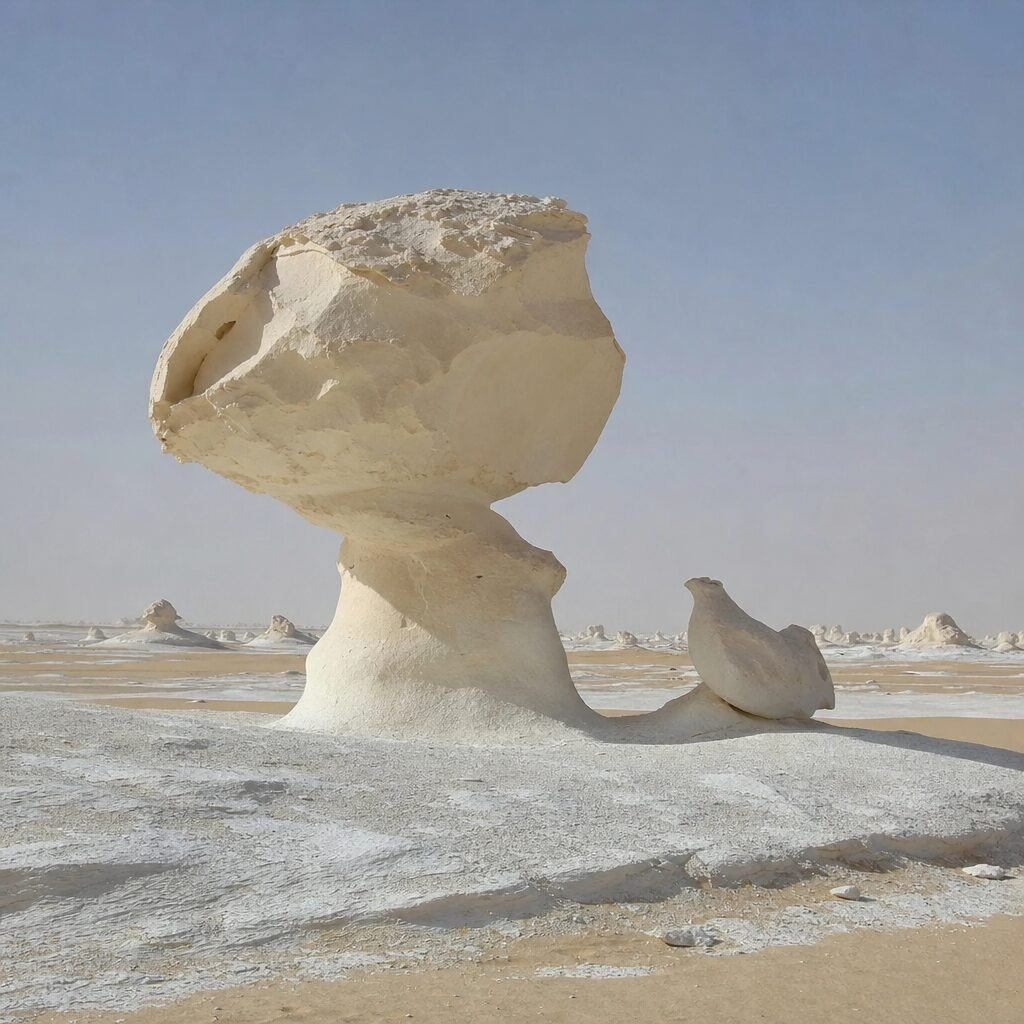
Hiking is another great way to immerse in the desert. Walking among the surreal rock formations offers a closer look at nature’s artistry. It’s an opportunity to experience the desert’s silence and vastness.
For more exhilaration, embark on a 4×4 adventure. Off-road driving through the desert’s dunes in desert Egypt is thrilling and offers expansive views. Skilled drivers ensure both excitement and safety during the journey.
Photography enthusiasts will find the White Desert a paradise. The varied landscapes provide endless opportunities for capturing stunning images. Each rock formation and shifting shadow presents a new scene to photograph.
Here’s a list of top activities to enjoy:
-
- Guided Tours: Discover the desert’s secrets with local experts.
-
- Hiking: Traverse trails among the striking formations.
-
- 4×4 Adventures: Experience the thrill of off-road expeditions.
-
- Photography: Capture the magic of the desert’s unique scenery.
Stargazing is a serene experience not to be missed. The desert’s night sky, free from urban light pollution, reveals countless stars. Witnessing the Milky Way in such clarity is unforgettable.
Each activity in the White Desert offers a chance to connect with nature. Whether you seek adventure or peace, the desert satisfies all. Plan your visit to embrace all the wonders this exceptional place has to offer.
Camping and Stargazing: Sleeping Under the Desert Sky
Camping in the White Desert is a magical experience. The vast expanse of sand and rock formations form an enchanting backdrop. As the sun sets, the landscape takes on a golden hue, signaling the start of a breathtaking night.
After nightfall, the White Desert transforms under the starlit sky. The lack of artificial light makes for perfect stargazing conditions. The sky fills with stars, creating a mesmerizing view that captivates the soul.
A night in the desert allows for a deeper connection with nature. The quiet stillness is only broken by the gentle whisper of the wind. It’s a perfect opportunity to unwind and reflect in tranquil surroundings.
Here’s what to expect during a desert camping trip:
-
- Tents Under the Stars: Sleep amid the unique scenery.
-
- Bonfire Gatherings: Enjoy warmth and stories by the fire.
-
- Astronomy Delights: Spot constellations and shooting stars.
-
- Morning Serenity: Experience the peace of early desert mornings.
Waking up in the desert is as awe-inspiring as the night itself. The rising sun paints the desert in soft pastels, a stark contrast to night’s cool blues. It marks the beginning of another day in this timeless wonderland.
For those seeking a blend of adventure and peace, camping in the White Desert is ideal. It offers a unique chance to experience the desert’s majestic beauty day and night.
Planning Your Visit: When and How to Go
Planning a trip to the White Desert requires careful timing. The best period to visit is between October and April. During these months, the temperatures are cooler, making exploration pleasant.
Traveling to the desert starts from Cairo or Bahariya Oasis. These are common starting points for desert expeditions. From there, 4×4 vehicles handle the rugged terrain to reach the White Desert.
Guided tours offer the most convenient way to explore. Many tours include stops at notable attractions nearby, often branded as Black and White Desert Egypt excursions. This often includes visits to Crystal Mountain and the Black Desert.
Consider these tips when planning your trip:
-
- Season Selection: Opt for cooler months to avoid extreme heat.
-
- Transportation: Utilize 4×4 vehicles for safe desert travel.
-
- Essential Supplies: Bring adequate water, sunscreen, and appropriate clothing.
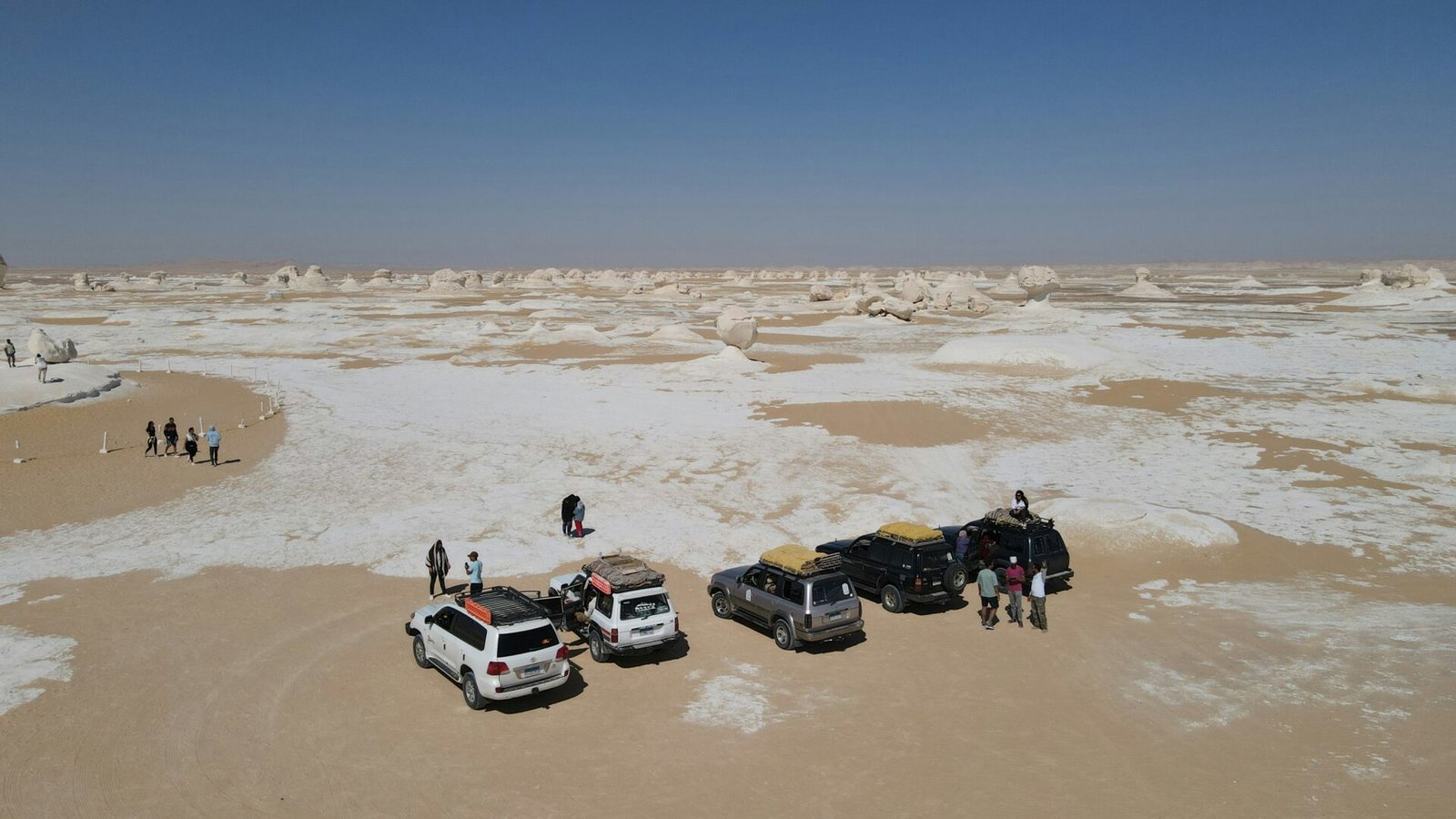
Proper preparation enhances your desert experience. Packing light but smart is key to comfort. Always remember to check weather forecasts in advance to stay prepared for sudden changes.
One of the joys of desert travel is witnessing its diverse beauty. Planning ensures you maximize your time, allowing for an unforgettable adventure. As you embark on this journey, let each moment captivate your senses, enriching your travel memories as you plan your White Desert Egypt trip.
We advice you to skip the hassle and book the White Desert Over Day Tour from Easy Transfer 24/7. Check it out from this tour overview.
Safety, Preparation, and Responsible Travel
Traveling to the White Desert is a memorable adventure. However, safety is essential while enjoying this unique landscape. Always travel with a reputable guide to navigate the vast terrain safely.
Desert conditions can be extreme. Temperatures fluctuate dramatically between day and night. Proper preparation for these changes can significantly impact your comfort and safety.
Packing wisely is crucial for a desert trip. Ensure you have a well-stocked first aid kit. Hydration is key—carry enough water for the entire journey. Here is a checklist for your trip:
-
- Sun Protection: Use sunscreen, hats, and sunglasses.
-
- Clothing: Layered, breathable garments for varying temperatures.
-
- Footwear: Sturdy shoes suitable for uneven terrain.
-
- Navigation Aids: Maps or GPS devices to prevent getting lost.
Responsible travel practices help protect this stunning ecosystem. Stay on designated paths to avoid disturbing the landscape. Leave no trace by bringing back all waste from the desert.
Respecting local cultures enriches the travel experience. Engaging with Bedouin communities can provide deeper insights into desert life. By adhering to these guidelines, you ensure a safe and responsible exploration of Egypt’s White Desert.
Photography Tips: Capturing the Deserts of Egypt
The White Desert offers photographers an unparalleled canvas of natural beauty. Its bizarre rock formations and vast landscapes make for compelling subjects. Proper planning can significantly enhance your photographic journey.
Timing is critical when capturing desert scenes. The golden hours, during sunrise and sunset, cast striking shadows and soft lighting. This time of day reveals the textures and shapes of the chalk formations beautifully. Consider these photography tips for the best results:
-
- Use a Wide-Angle Lens: Capture expansive desert views and vast skies.
-
- Find Unique Angles: Experiment with perspectives to highlight formations.
-
- Carry a Tripod: Useful for long exposures during low light conditions.
Remain conscious of the desert’s conditions. Protect your camera equipment from sand and dust, which can damage gear. A camera cover and a lens-cleaning kit can prevent potential issues.
Engaging with local guides can provide new insights into hidden spots. They may help you discover less frequented vistas to capture truly unique shots. Following these tips will enhance your experience in the deserts of Egypt, delivering photos worthy of reminiscing for years.
The White Desert in Popular Culture and Media
The White Desert’s surreal landscape has captivated filmmakers and artists alike. Its alien-like beauty acts as a stunning backdrop for various creative works. This unique setting has featured prominently in films, documentaries, and photography projects due to its otherworldly charm.
Several visual media pieces have drawn inspiration from the White Desert, enhancing its allure:
-
- Films: Its landscapes add drama and intrigue to scenes.
-
- Documentaries: Highlight the natural wonders and geological features.
-
- Photography Exhibits: Showcase its unusual formations and striking vistas.
The desert’s presence in popular culture promotes global awareness of its significance. Such exposure supports conservation efforts and invites more visitors to explore this awe-inspiring destination. In media, the White Desert of Egypt continues to dazzle and inspire, proving itself as an extraordinary natural wonder.
Frequently Asked Questions About the White Desert Egypt
Exploring the White Desert often raises some common queries. Here are answers to frequently asked questions, which will help ease your travel planning.
Is the White Desert accessible year-round?
Yes, it is open year-round. However, the best time to visit is between October and April. During these months, the weather is cooler and more comfortable for exploring.
What should I bring when visiting the desert?
Pack essentials like sunscreen, hat, sunglasses, and plenty of water. A camera is also a must for capturing stunning landscapes. As the temperature drops at night, warm clothing is advisable.
How can I travel to the White Desert from Cairo?
Travelers usually start their journey from Cairo, heading to Bahariya Oasis. From there, guided tours typically provide transport into the desert. These are often in 4×4 vehicles equipped for desert terrain.
Do I need special permission to camp in the desert?
Generally, guided tours include camping permits. If you plan to explore independently, check with local authorities for necessary permissions.
Knowing these answers should enhance your experience and ensure a smoother adventure in the deserts of Egypt.
Conclusion: Why the White Desert Should Be on Your Bucket List
The White Desert is a mesmerizing marvel that must be seen to be believed. Its ethereal beauty, with stunning white chalk formations and captivating landscapes, offers an experience unlike any other. This desert, part of the larger Sahara, is a testament to nature’s artistry and the endless beauty of deserts in Egypt.
Beyond its physical appeal, the White Desert invites you to explore its deep cultural and historical significance. The desert’s proximity to Bedouin communities and archaeological sites provides a profound glimpse into ancient traditions. Experiencing the warm hospitality and rich culture of these communities is truly enriching.
Visiting the White Desert is not just a journey through breathtaking scenery but also a journey into the Earth’s past. From stargazing under the pristine night sky to feeling the silence envelop you, this is a destination for those seeking adventure and peace. The White Desert is a must-visit, sure to leave a lasting imprint on your soul.
Q&A
Question: What gives the White Desert its white color, and how did the rock formations take shape? Short answer: The White Desert’s color comes from chalky limestone that formed when the area was a seabed millions of years ago. As the sea receded, wind and sand sculpted the exposed limestone into surreal shapes—mushrooms, spires, and abstract “statues”—etching fine textures that catch light beautifully throughout the day.
Question: Where is the White Desert, and how do travelers typically get there? Short answer: It lies in the Farafra Depression of Egypt’s Western Desert, about 500 kilometers southwest of Cairo, within the Sahara. Most visitors start from Cairo or Bahariya Oasis, then continue in 4×4 vehicles to navigate the rugged desert terrain.
Question: Why go with a guided tour, and what do these tours usually include? Short answer: Guided tours ensure safety, expert navigation, and deeper context about the geology and culture. They typically handle logistics such as 4×4 transport and camping permits, and often bundle nearby highlights like the Black Desert and Crystal Mountain into a single itinerary.
Question: How does the White Desert differ from the Black Desert and Crystal Mountain nearby? Short answer: The White Desert is defined by pale chalk formations, while the Black Desert features dark, volcanic hills that create a dramatic contrast. Crystal Mountain adds a third texture with glittering quartz, and many itineraries link all three for a full spectrum of the region’s geology.
Question: What wildlife and cultural experiences might I encounter, and how can I visit responsibly? Short answer: You may see hardy flora like thorny shrubs and fauna such as fennec foxes and desert hares, most active at night. Nearby oases (including Bahariya and Farafra) host Bedouin communities known for hospitality, storytelling, and music; visitors should respect local customs, stay on designated paths, and leave no trace to protect this fragile ecosystem.