
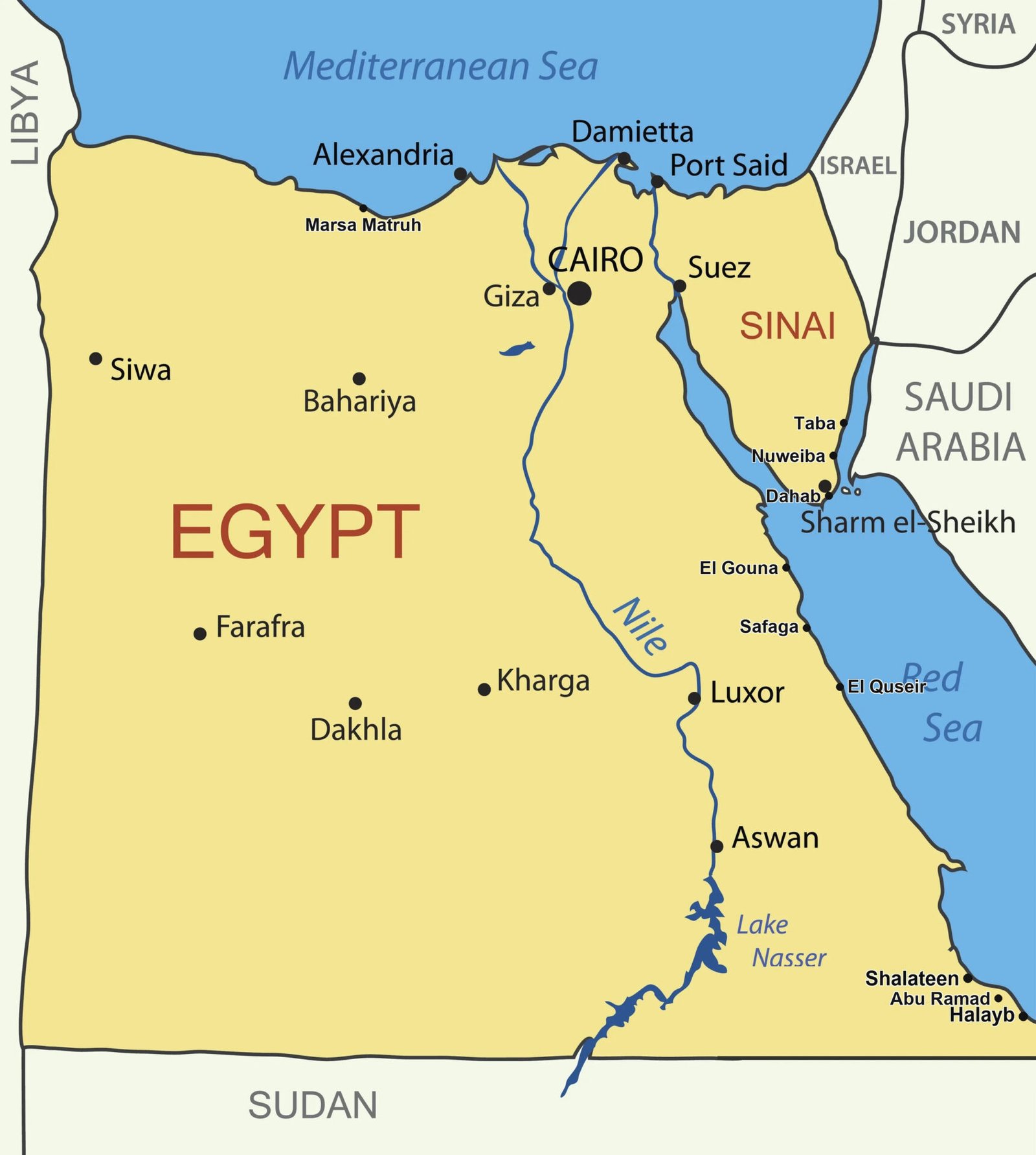
Egypt weather is a fascinating blend of extremes. It offers a unique climate experience.
The country is known for its hot, dry summers and mild winters. This desert climate shapes daily life and travel plans.
Understanding Egypt weather is essential for travelers. It helps in planning activities and choosing the best time to visit.
From the bustling streets of Cairo to the serene Red Sea coast, Egypt weather varies greatly. Each region offers a distinct climate experience.
This guide will explore Egypt’s climate throughout the year. Discover how Egypt weather influences life and travel in this historic land.
Overview of Egypt’s Climate
Egypt’s climate is primarily desert, characterized by hot, dry conditions. This arid environment leads to significant temperature contrasts between day and night.
Rainfall is scarce across most of the country. However, the northern coast receives a bit more, due to its Mediterranean influence.
Throughout the year, Egypt experiences noticeable seasonal changes. These transitions impact everything from daily life to tourism trends.
Egypt weather is generally predictable. Here are some key characteristics of Egypt’s climate:
- Arid and dry, with minimal rainfall
- Hot summers, with temperatures often exceeding 40°C (104°F)
- Mild winters, especially in coastal areas
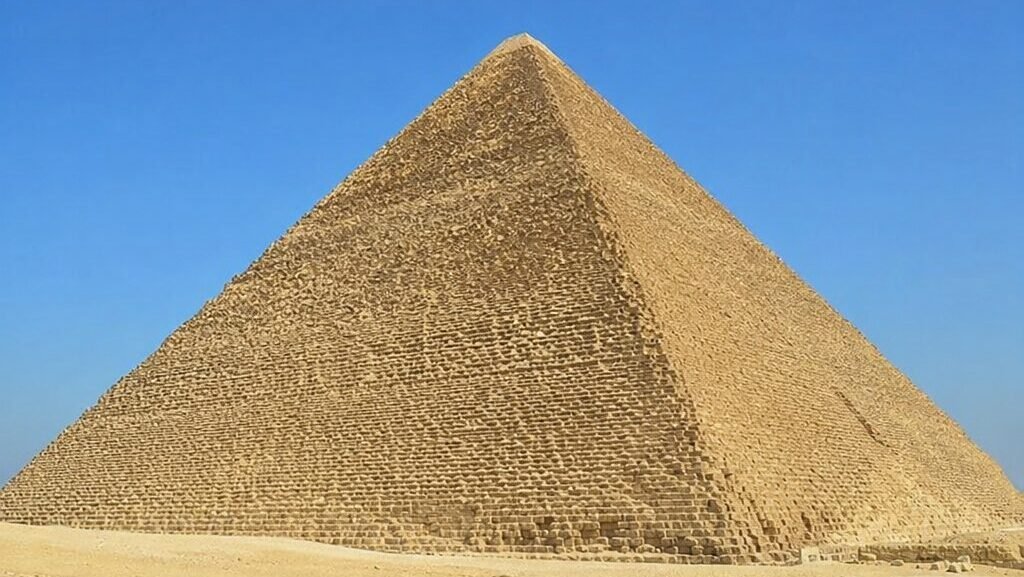
Understanding these fundamental elements of Egypt’s climate helps in anticipating weather conditions and planning accordingly. The country’s climate is a vital component of its unique charm and allure. Average Egypt temperature varies by region, so plan accordingly.
Seasonal Egypt Weather Patterns
Egypt weather changes dramatically through the year. Each season brings its unique characteristics.
Summer stretches from June to August. It is a time of intense heat, with temperatures soaring in many regions.
By contrast, winter months, from December to February, are milder. This season sees cooler temperatures, providing relief from the summer heat.
Spring and autumn are transitional periods. These seasons mark shifts in temperature and weather conditions.
Key seasonal patterns include:
- Hot, dry summers with strong sun
- Cool, enjoyable winters with mild days
- Transitional springs and autumns with fluctuating temperatures
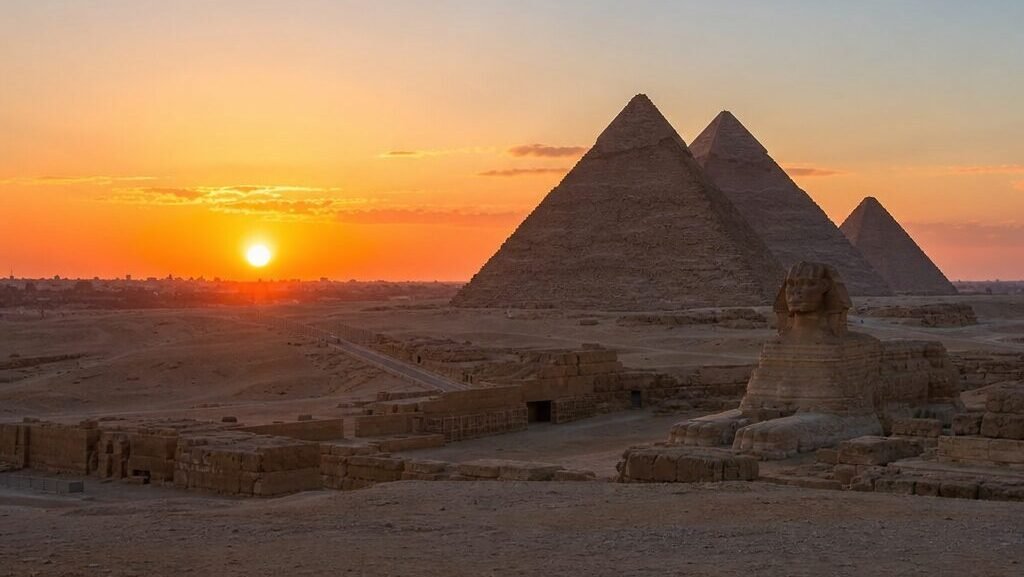
Understanding these patterns aids in planning activities and travel. Each season offers distinct experiences, suitable for different visitor preferences. While summer is ideal for sun-lovers, the mild winter is perfect for exploring Egypt’s rich history.
Summer in Egypt: Heat and Sunshine
Summers in Egypt can be scorching. This season sees temperatures regularly surpassing 40°C (104°F) in many areas.
The sun is relentless during these months. It dominates the skies, making shade a prized escape.
Key characteristics of summer include:
- Intense heat in interior regions
- Cooler evenings providing minimal relief
- Little to no rainfall
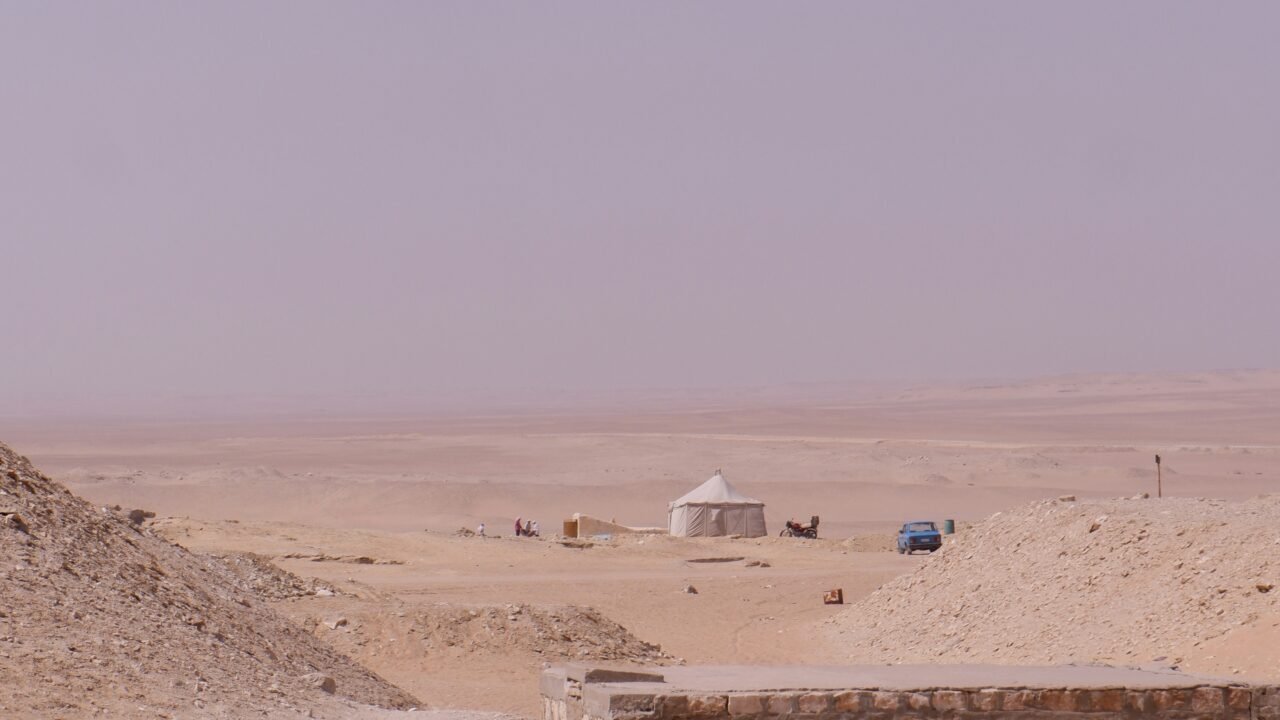
Many travelers choose coastal areas during summer. The sea breeze and water offer a refreshing respite. However, for those exploring the country’s history, precautions against the heat are essential. Lightweight clothing and sun protection are advisable.
Winter in Egypt: Mild and Pleasant
Winter in Egypt is a contrast to the sizzling summer. Temperatures drop to around 14°C to 20°C (57°F to 68°F), especially in Cairo.
This season is popular with tourists. The mild climate is comfortable for outdoor activities and sightseeing.
- Cooler days with plenty of sunshine
- Occasional chilly nights
- Low likelihood of rain
Winter is ideal for visiting Egypt’s historic sites without the scorching heat. The season is perfect for Nile cruises, desert safaris, and more. Its pleasant temperatures make exploring diverse landscapes enjoyable.
Spring and Autumn: Transitional Seasons
Spring and autumn are brief but impactful. These transitional periods bring moderate temperatures.
During spring, dust storms called “khamsin” can arise, affecting visibility. Autumn ushers cooler breezes, signaling winter’s approach.
- Moderate temperatures offer comfortable weather
- Spring dust storms may occur
- Autumn marks the cooling phase
These seasons are dynamic times when weather can be unpredictable but generally pleasant. Travelers can expect moderate conditions, making this time well-suited for various activities.
Regional Weather Differences
Egypt’s diverse regions experience varied weather conditions. Each area offers a unique climate due to its geographical features.
In Cairo, Egypt’s urban sprawl adds to the heat. Concrete and buildings amplify the city’s temperatures.
Coastal areas like Alexandria enjoy Mediterranean influences. Sea breezes bring milder and more humid conditions.
The Red Sea coast is warm all year. It remains a favorite for beachgoers and divers.
The Sinai Peninsula sees dramatic temperature swings. Days can be hot, while nights are cooler.
Southern regions, including Luxor and Aswan, endure extreme heat. These areas face some of the highest temperatures in the country.
- Cairo: Urban heat effect
- Alexandria: Mediterranean moderation
- Red Sea Coast: Consistent warmth
- Sinai: Temperature extremes
- Southern Egypt: Intense heat
Egypt’s regional climates are a testament to the country’s geographical variety. Understanding these differences helps in planning suitable activities.
Weather in Cairo, Egypt
Cairo blends desert climate with urban heat. Summer temperatures can soar above 40°C (104°F).
Winters are milder, providing a pleasant climate. It’s during this time that tourism thrives in Cairo.
- Summer: Hot and dry
- Winter: Mild with cooler evenings
- Rain: Rare but possible in winter
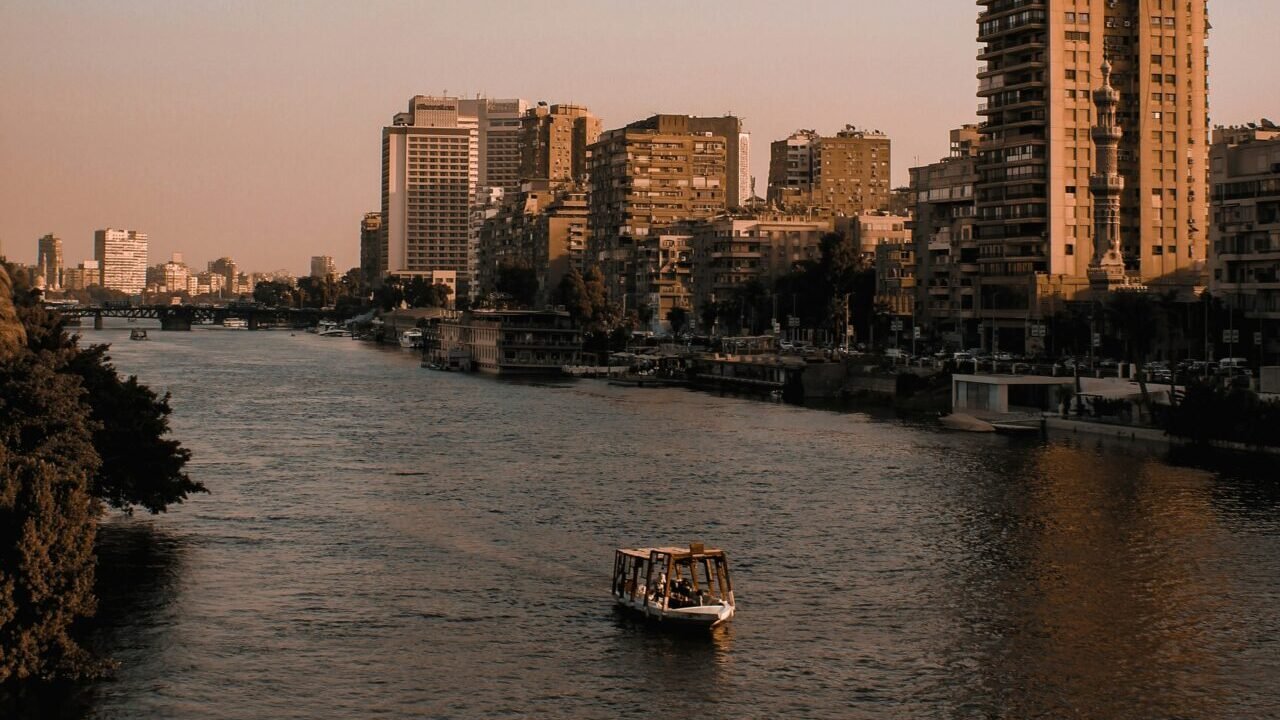
Urban heat can intensify summer discomfort. Visitors should plan accordingly, especially during the peak afternoon hours.
For current updates, check forecasts for ‘weather in cairo egypt’ during your stay.
Coastal Regions: Alexandria and the Mediterranean
Alexandria benefits from its coastal setting. The Mediterranean influences bring cooler summers and mild winters.
Sea breezes offer relief even in summer. Humidity is higher compared to inland regions.
- Summers: Warm but moderated by sea breeze
- Winters: Mild and wet
- Rain: More frequent than inland areas
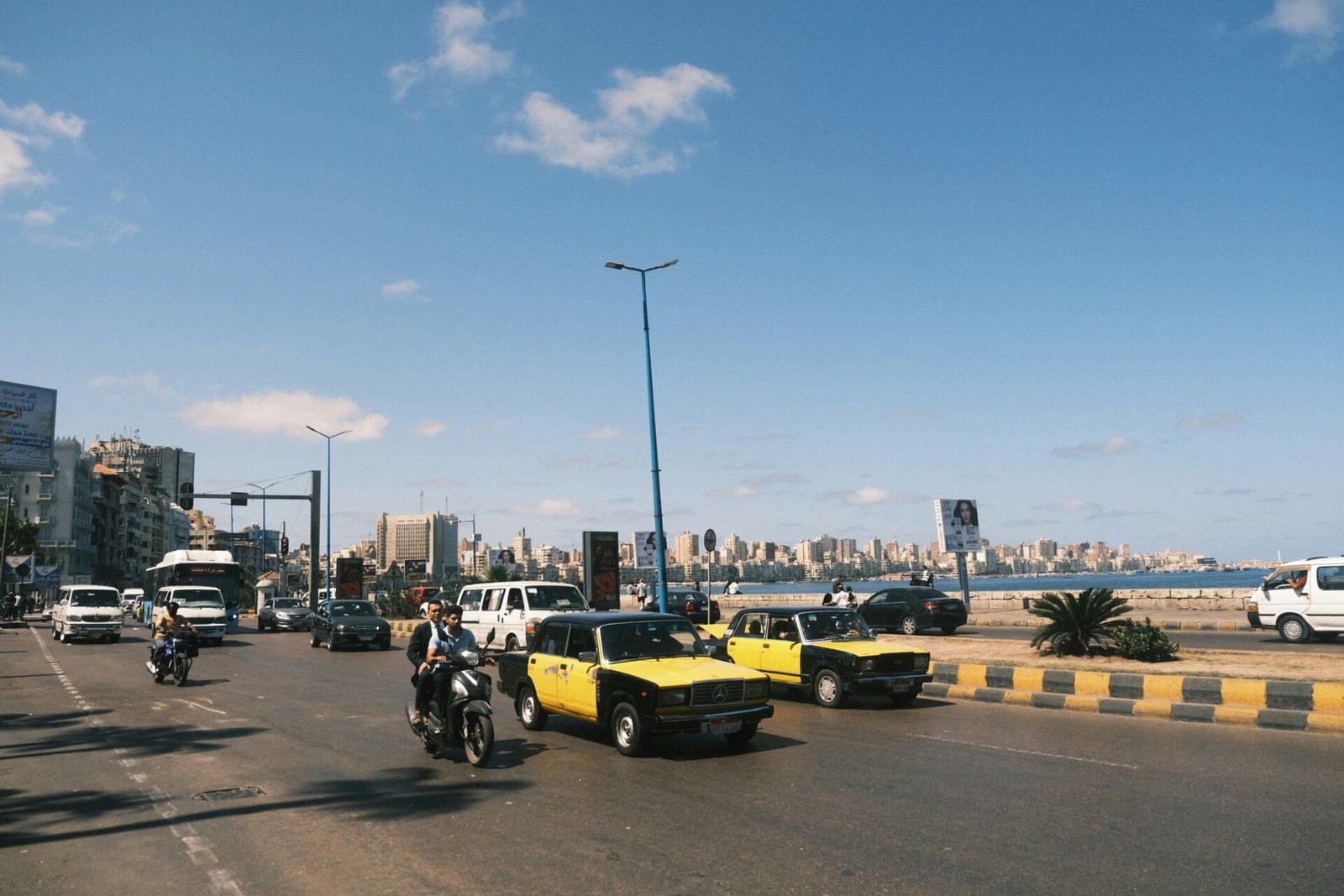
In Alexandria, layering clothing helps manage the varying temperatures and humidity levels throughout the day.
The Red Sea Coast and Sinai Peninsula
The Red Sea coast enjoys warm weather year-round. This region is ideal for beach activities and marine sports.
Sinai’s weather is more varied. It combines hot days with cooler desert nights.
- Red Sea Coast: Consistent heat
- Sinai Peninsula: Temperature variations
- Rain: Rare in both regions
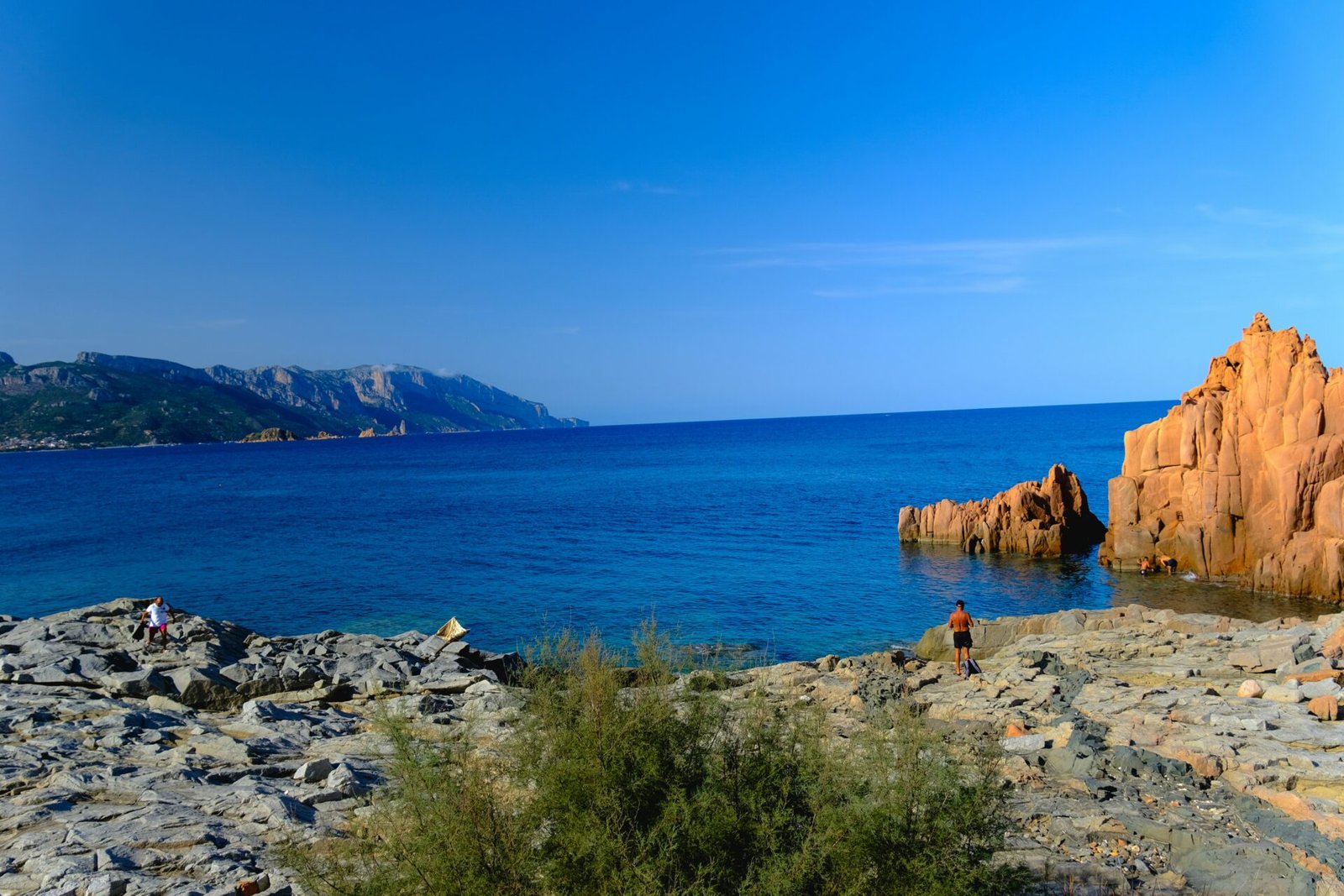
Both regions offer unique opportunities for adventure seekers. Whether it’s diving in the Red Sea or exploring Sinai’s terrain, there’s an appeal to every traveler.
Southern Egypt: Luxor and Aswan
Luxor and Aswan experience some of Egypt’s hottest weather. Summers here can be overwhelmingly hot.
Despite the heat, these areas house incredible historical sites. Winters provide more comfortable conditions for exploration.
- Summers: Extremely hot
- Winters: Balmy and ideal for sightseeing
- Rain: Almost nonexistent
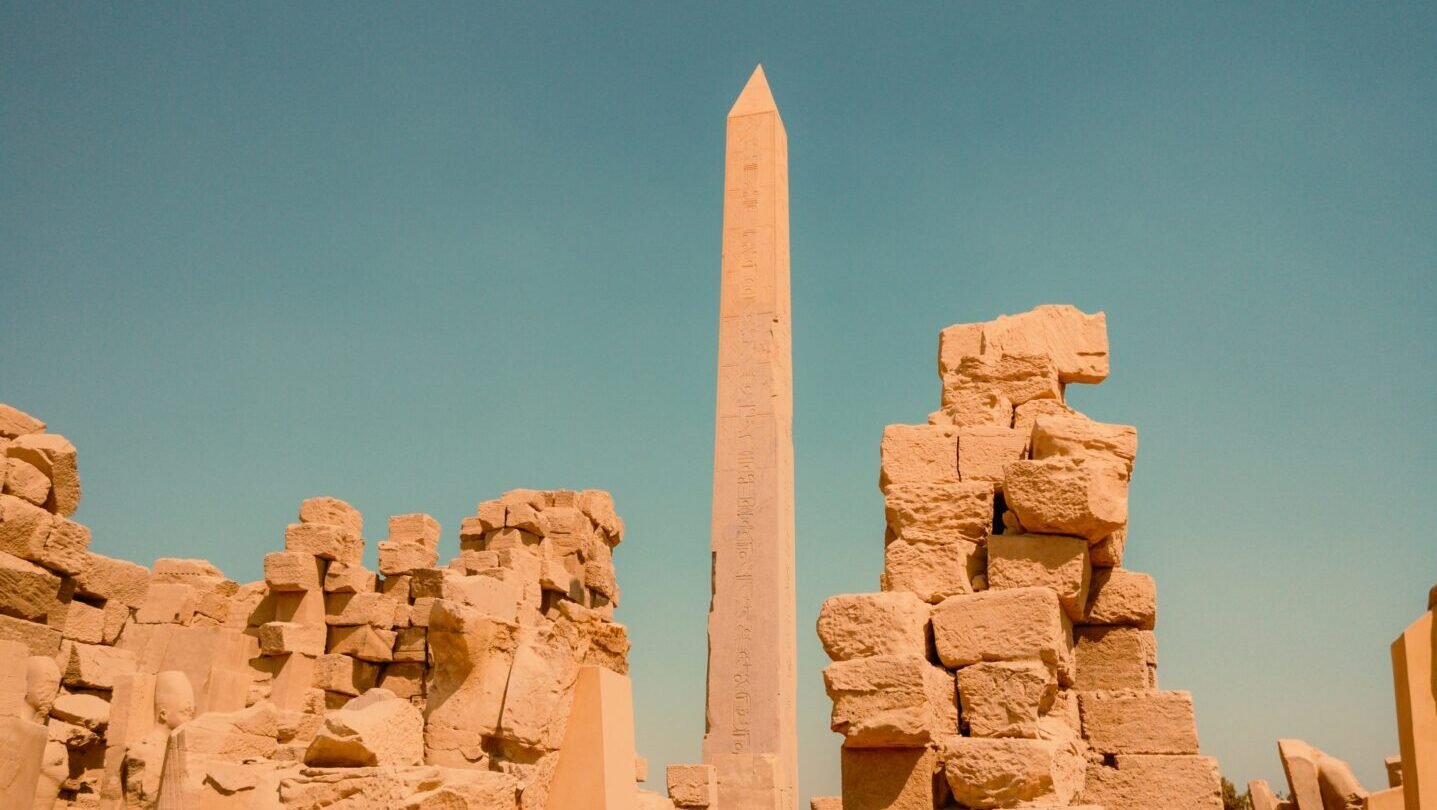
Visitors to southern Egypt should prepare for the intense climate. Protective measures against the sun are essential for a safe visit.
Unique Weather Phenomena in Egypt
Egypt’s climate includes fascinating weather events. One such phenomenon is the “khamsin,” a sandstorm that occurs in spring. These storms can obscure visibility and affect travel.
The khamsin is brief but impactful. It brings hot, dry winds and fine dust, challenging for those unfamiliar with such conditions.
Rain is scarce, yet when it occurs, it can lead to flash floods in desert regions. This sudden downpour is a rarity but notable for its intensity.
- Khamsin: Spring sandstorms
- Flash floods: Rare desert events
- Hot winds: Intense and brief
Egypt’s unique weather phenomena are part of its charm. Travelers should be informed and prepared to handle these natural occurrences.
How Egypt Weather Shapes Life and Travel
Egypt’s climate significantly influences daily life and travel. It dictates clothing, food preferences, and activity timing. The arid conditions require residents to adapt.
Tourism thrives in cooler months, drawing visitors to ancient sites. Mild winters make Egypt an attractive destination for those escaping colder climates. The warm weather supports outdoor events year-round.
Travel plans often consider Egypt’s predictable climate. Knowledge of weather helps maximize sightseeing opportunities.
- Cool months: Peak tourism
- Mild winters: Favorable for activities
- Predictable climate: Supports travel planning
Egypt’s climate is integral to its cultural fabric. Understanding it enhances travel experiences.
Tips for Travelers: Preparing for Egypt Weather
Preparing for Egypt’s climate enhances your journey. The intense summer heat calls for lightweight attire. Breathable fabrics keep you cool during hot days.
Before you go, review ‘Egypt weather’ or city-specific forecasts to pack appropriately.
Sunscreen is essential to protect from harsh sunlight. Hydration is crucial in Egypt’s dry conditions. Carry water to avoid dehydration and fatigue.
Plan activities for early morning or evening when temperatures are cooler. Adapt your itinerary to include indoor or shaded activities during peak heat.
- Dress: Light, breathable clothing
- Essentials: Sunscreen, water
- Activity Timing: Early or late to avoid midday heat
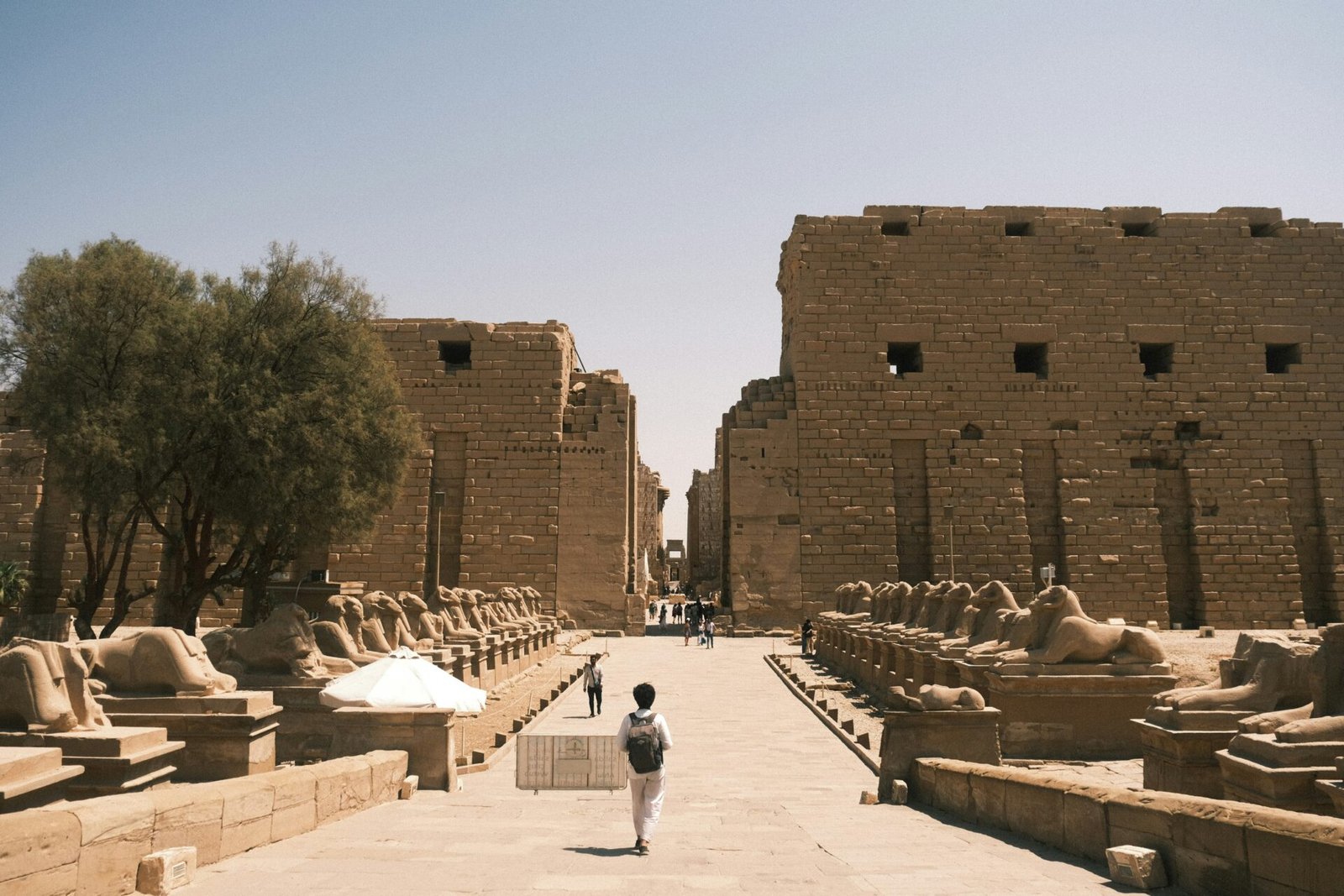
These tips ensure comfort while exploring Egypt’s wonders. With the right preparation, experience a memorable and enjoyable adventure.
Conclusion: Making the Most of Egypt Weather
Understanding Egypt’s diverse climate enhances any visit. Its varied weather offers unique experiences across regions and seasons.
Adapt travel plans to fit the climate for the best experience. Each season presents distinct opportunities, from exploring deserts to relaxing on the coast.
Embrace Egypt weather as part of its natural charm and allure. With foresight and preparation, enjoy the rich tapestry of experiences that Egypt provides year-round.
Ready to Plan Your Perfect Egypt Adventure?
Whether you are dreaming of a sunny winter getaway along the Nile or a refreshing summer escape on the Red Sea coast, timing and regional climate make all the difference. Designing an itinerary around the unique Egypt weather ensures you experience the Pyramids, historic temples, and coastal retreats in total comfort.
Let our local travel experts craft a personalized tour tailored to your ideal travel season, pacing preferences, and bucket-list destinations.
How We Optimize Your Tour for Egypt Weather
-
Season-Smart Scheduling: We schedule outdoor exploration—like Luxor’s ancient tombs or Giza’s plateau—during the coolest hours of the day (early morning or late afternoon).
-
Balanced Regional Routing: Seamlessly transition between bustling Cairo, balmy southern sightseeing in Luxor & Aswan, and breezy coastal downtime in Alexandria or Hurghada.
-
Year-Round Comfort: From air-conditioned private transport during warmer months to cozy desert evening arrangements in winter, every detail is handled.
Get in touch and tell us a bit about your trip goals, and our itinerary specialists will send you a customized route within 24 hours.
Frequently Asked Questions
Question: When is the best time to visit Egypt for sightseeing?
Short answer: Winter is ideal for most travelers. From December to February, temperatures in places like Cairo hover around 14–20°C (57–68°F), making outdoor activities and exploring historic sites comfortable. The cooler months are also peak tourism season. Spring and autumn are pleasant transitional periods as well, though spring can bring occasional dust storms (khamsin).
Question: How hot does Egypt get in summer, and how can I cope with the heat?
Short answer: Summer (June to August) is very hot, with many regions regularly exceeding 40°C (104°F), especially inland and in the south. There’s little to no rainfall, and the sun is intense. To cope, plan activities for early morning or evening, wear lightweight, breathable clothing, use sunscreen, stay hydrated, and seek shade. Coastal areas offer some relief thanks to sea breezes.
Question: Does it rain in Egypt, and where is rain most likely?
Short answer: Rainfall is scarce across most of Egypt. The northern coast, including Alexandria, receives more rain due to Mediterranean influences, with winters that are mild and wetter than inland areas. In Cairo, rain is rare but possible in winter. When rain does occur in desert regions, it can cause brief but intense flash floods.
Question: How does Egypt weather vary by region?
Short answer: Conditions differ notably:
- Cairo: Desert climate amplified by urban heat; very hot summers, mild winters.
- Alexandria (Mediterranean coast): Milder, more humid; warmer summers tempered by sea breezes, and wetter, mild winters.
- Red Sea Coast: Warm year-round; a favorite for beachgoers and divers.
- Sinai Peninsula: Hot days and cooler desert nights with wider temperature swings.
- Southern Egypt (Luxor, Aswan): Among the hottest areas; summers are extreme, while winters are balmy and ideal for sightseeing.
Question: What is the khamsin, and how might it affect travel plans?
Short answer: The khamsin is a springtime sandstorm bringing hot, dry winds and fine dust. It’s typically brief but can reduce visibility, affect travel, and make outdoor activities uncomfortable. During khamsin conditions, consider indoor plans, protect your eyes and face, and check local forecasts for updates.