
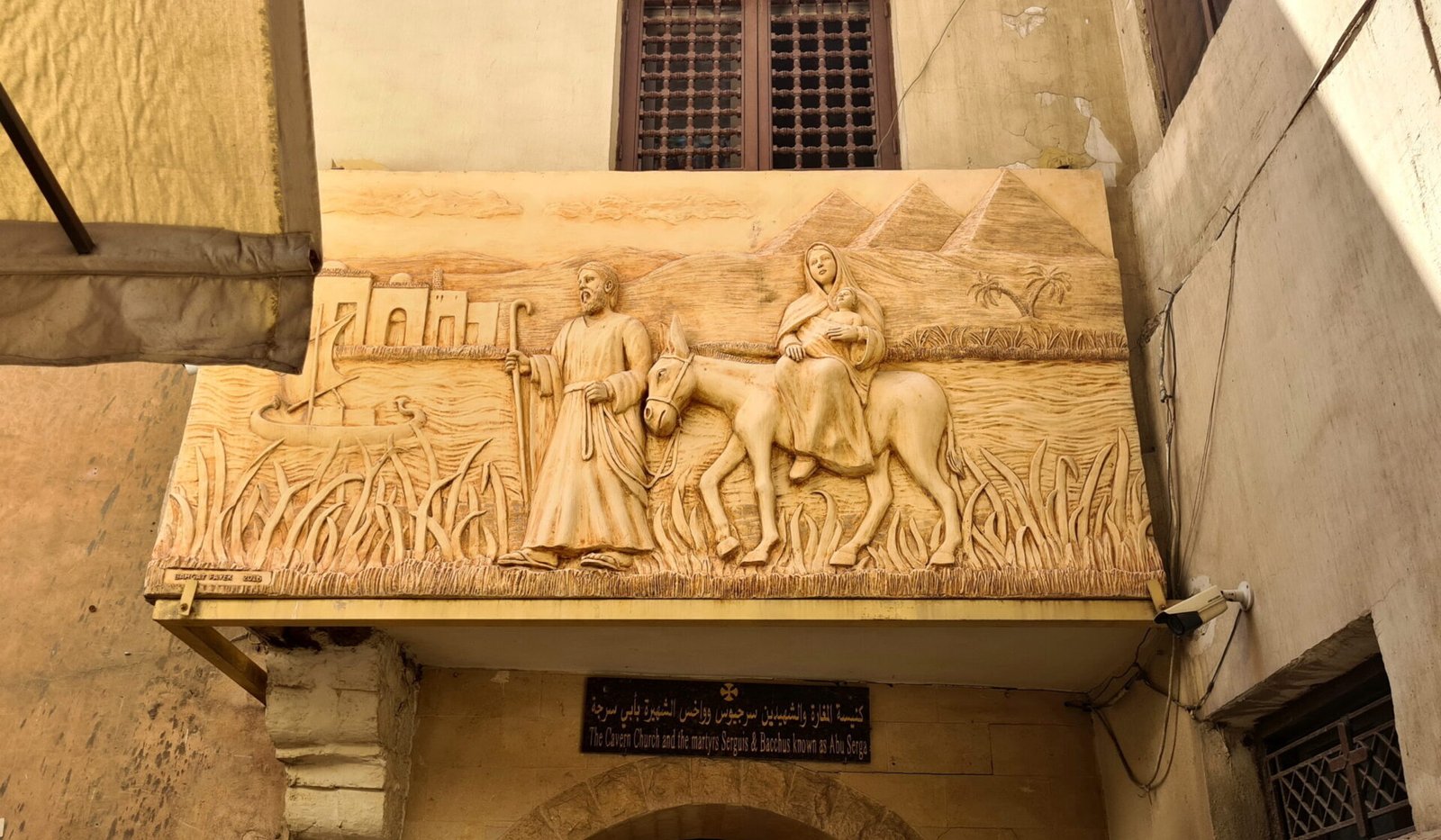
Why the Route Matters for Tourism
The Holy Family Trail has become one of Egypt’s most ambitious tourism initiatives. Authorities have restored numerous sites, upgraded roads, improved visitor facilities, and developed infrastructure aimed at attracting international travelers. Several key locations, including Sakha, Tel Basta, Samanoud, Wadi El Natrun, and Gabal El-Teir, have undergone significant development in recent years. The importance of the route extends beyond religious significance. It contributes directly to local economies by encouraging tourism in areas that traditionally received fewer visitors than Cairo, Luxor, or Aswan. Villages and towns along the trail benefit from increased demand for accommodations, transportation services, restaurants, handicrafts, and cultural experiences. The route also supports cultural preservation. Many monasteries, churches, and archaeological sites have received restoration work that helps protect Egypt’s heritage for future generations. Visitors who travel along the trail often discover local traditions, regional cuisine, and unique architectural styles that differ significantly from Egypt’s better-known tourist destinations. As global interest in spiritual and heritage tourism continues to grow, the Holy Family Trail is increasingly positioned as a world-class destination capable of attracting visitors throughout the year rather than only during traditional tourism seasons.Farma (Ancient Pelusium)
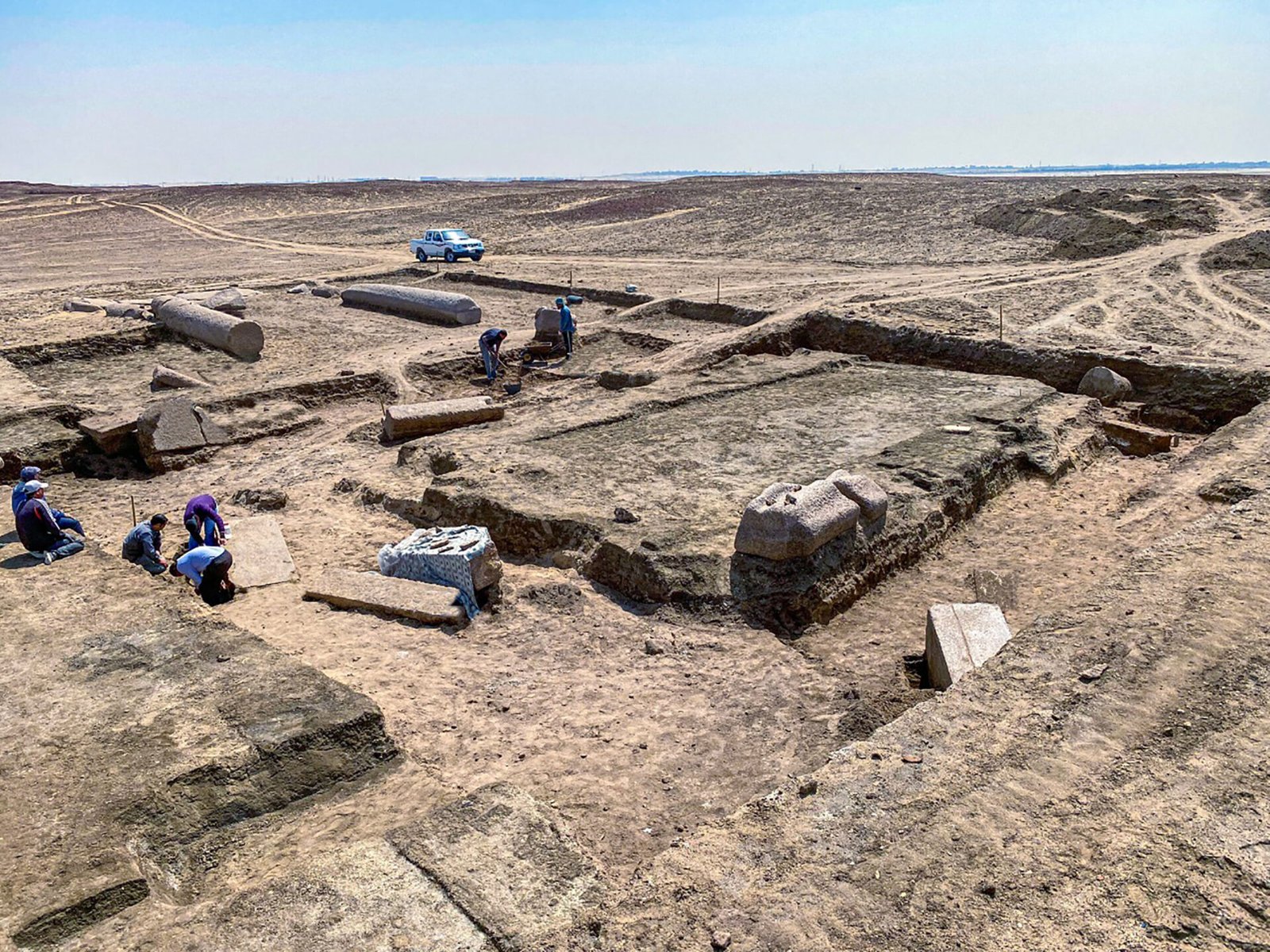
Gateway to Egypt
Farma, known historically as Ancient Pelusium, is considered the starting point of the Holy Family Trail in Egypt. Located near modern-day El-Qantara in the Sinai region, this site served as an important entry point into Egypt during ancient times. Today, visitors can explore archaeological remains that reflect the city’s strategic significance as a gateway between Egypt and the eastern Mediterranean world. The ruins of Pelusium provide a fascinating glimpse into Egypt’s military and commercial history. Archaeologists have uncovered remnants of Roman fortifications, churches, public buildings, and urban infrastructure that reveal the importance of the city across multiple historical periods. Walking among these remains allows travelers to appreciate the scale of a settlement that once controlled access to one of the world’s most influential civilizations. Although less famous than Cairo or Alexandria, Farma appeals strongly to history enthusiasts interested in ancient trade routes and frontier cities. The combination of archaeological remains and historical significance makes it an important first stop for anyone exploring the Holy Family Trail.Tel Basta
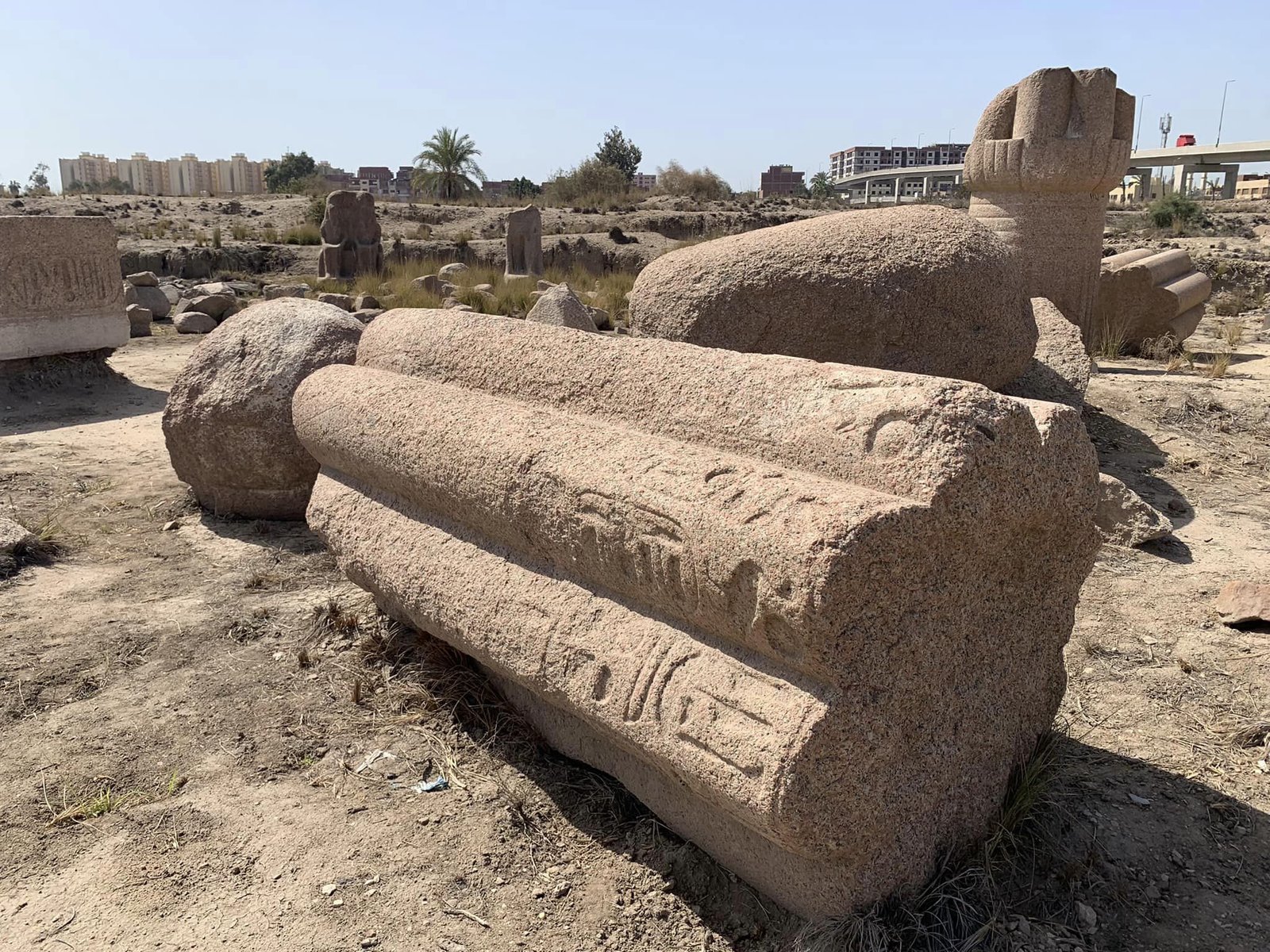
Archaeological Heritage of Zagazig
Located near modern Zagazig in Sharqia Governorate, Tel Basta stands as one of the most important archaeological sites on the Holy Family Trail. The area was once the ancient city of Bubastis, famous for the worship of the goddess Bastet during Pharaonic times. Today, visitors encounter a remarkable blend of ancient Egyptian history and religious tourism. The site contains extensive ruins, including temple remains, statues, and archaeological discoveries that shed light on Egypt’s ancient civilization. Travelers can spend hours exploring the excavation areas while learning about the city’s significance during various dynastic periods. Beyond its archaeological value, Tel Basta has become a key destination for those following the Holy Family Trail. The site illustrates how different layers of Egyptian history coexist in a single location. Ancient temples stand alongside later religious traditions, creating a rich cultural landscape that appeals to both scholars and tourists.Mostorod
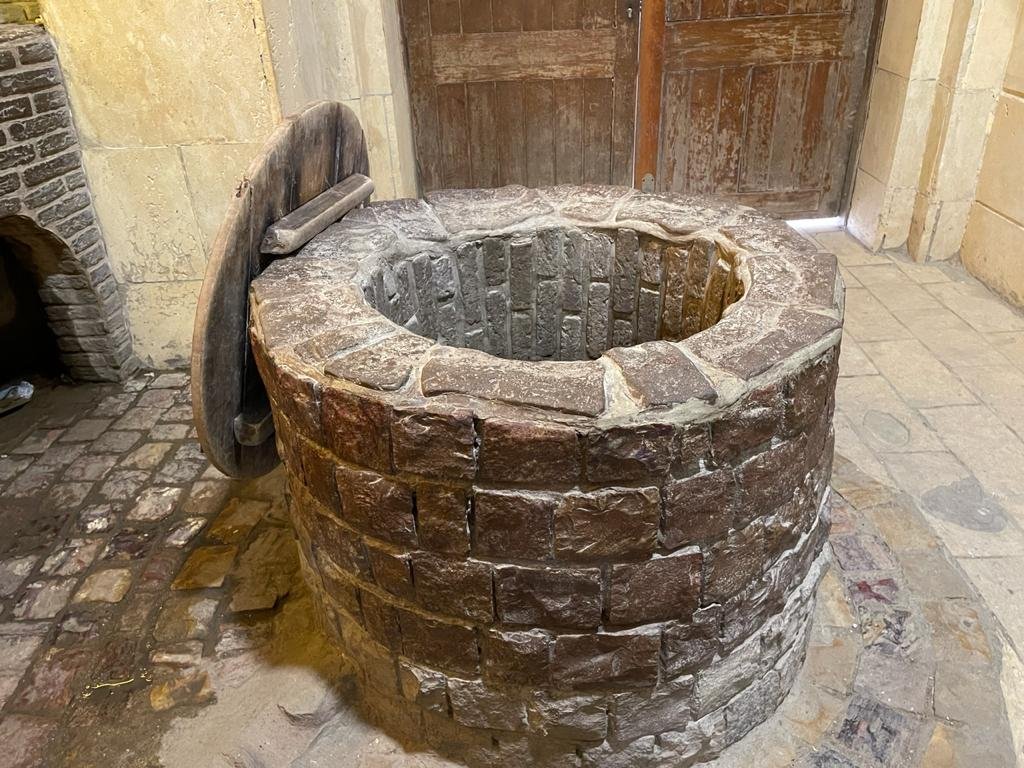
The Historic Pilgrimage Stop
Mostorod, located in Greater Cairo, is another major destination along the route. The town is known for its historic church and sacred well, both of which attract visitors interested in Egypt’s religious heritage. According to local traditions, the area became an important place of rest and reflection, leading to the construction of religious structures that remain active today. Visitors to Mostorod often appreciate the living nature of the site. Unlike some archaeological monuments that function solely as museums, the churches here continue to serve active worship communities. This creates an atmosphere where history feels alive rather than distant. The architecture reflects centuries of Coptic artistic development, featuring traditional iconography, intricate woodwork, and distinctive ecclesiastical design. Travelers interested in religious architecture frequently consider Mostorod an essential stop because it showcases the enduring continuity of Egypt’s Christian heritage.Belbeis
Religious and Cultural Significance
Belbeis is among the lesser-known but historically significant locations on the Holy Family Trail. Situated in the eastern Nile Delta, the city has long served as a crossroads connecting different regions of Egypt. Historical traditions associate the area with hospitality and refuge, themes that continue to resonate with visitors today. The city offers a more authentic glimpse into everyday Egyptian life than many major tourist centers. Visitors can explore local markets, traditional neighborhoods, and religious landmarks while experiencing the rhythms of a functioning Egyptian town. For travelers seeking a deeper understanding of Egypt beyond famous attractions, Belbeis provides valuable cultural context. Its inclusion on the Holy Family Trail highlights the diversity of locations connected through this remarkable route.Samanoud
Delta Heritage and Ancient Traditions
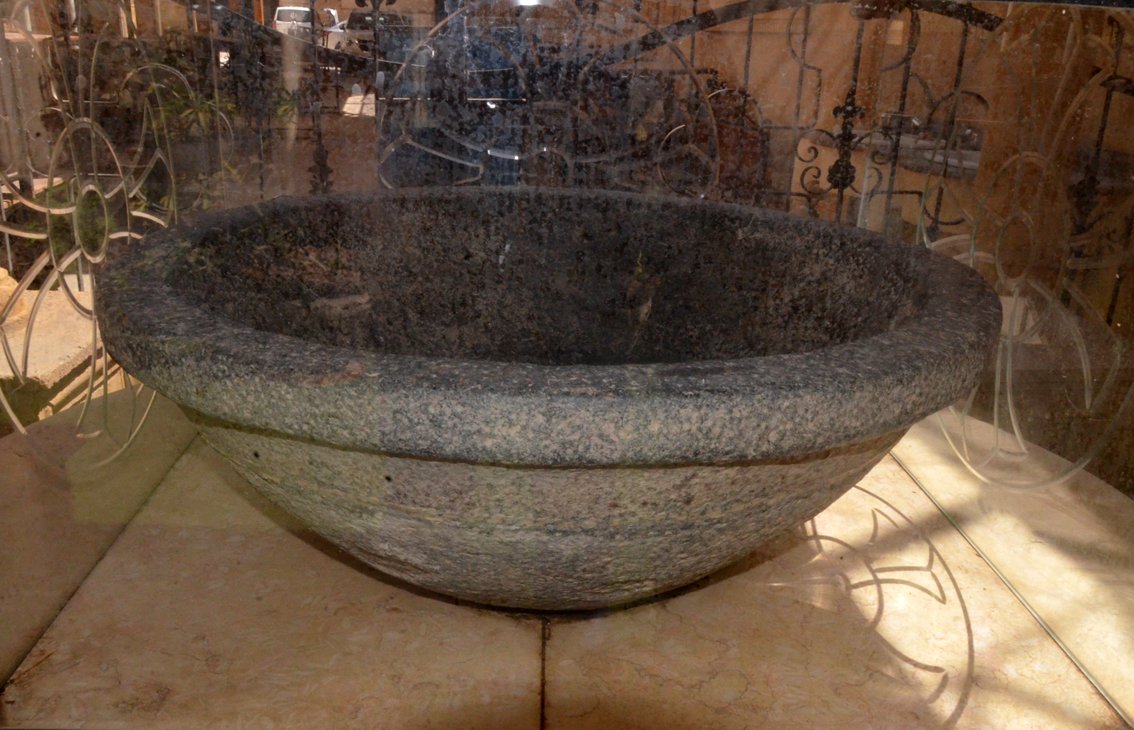
Samanoud occupies a special place within the Nile Delta section of the trail. The city has preserved important religious landmarks and local traditions that continue to attract visitors from Egypt and abroad. Development projects have improved accessibility and visitor services, making the destination more appealing to modern travelers. What distinguishes Samanoud is its blend of religious importance and local cultural identity. The city remains deeply connected to traditional crafts, agriculture, and community celebrations. Travelers often discover that their experience extends beyond visiting monuments to engaging with living cultural traditions. The atmosphere in Samanoud differs considerably from Egypt’s larger urban centers. Narrow streets, historic churches, and friendly local communities create a welcoming environment that encourages slower, more meaningful exploration.Sakha
One of the Most Important Delta Stops
Located in Kafr El-Sheikh Governorate, Sakha is widely regarded as one of the most significant sites on the trail. Extensive restoration and tourism development projects have transformed the area into a major destination for pilgrims and heritage travelers. Sakha’s importance stems from its longstanding role in Egypt’s religious landscape. Visitors encounter historic churches, archaeological features, and cultural landmarks that illustrate the area’s enduring significance. The site’s preservation efforts have ensured that modern travelers can appreciate both its historical value and its architectural beauty. Many visitors describe Sakha as one of the highlights of the Delta segment because it combines accessibility, heritage, and spiritual atmosphere in a single destination. The result is an experience that resonates with a wide range of travelers regardless of their religious background.Wadi El Natrun
The Desert Monasteries
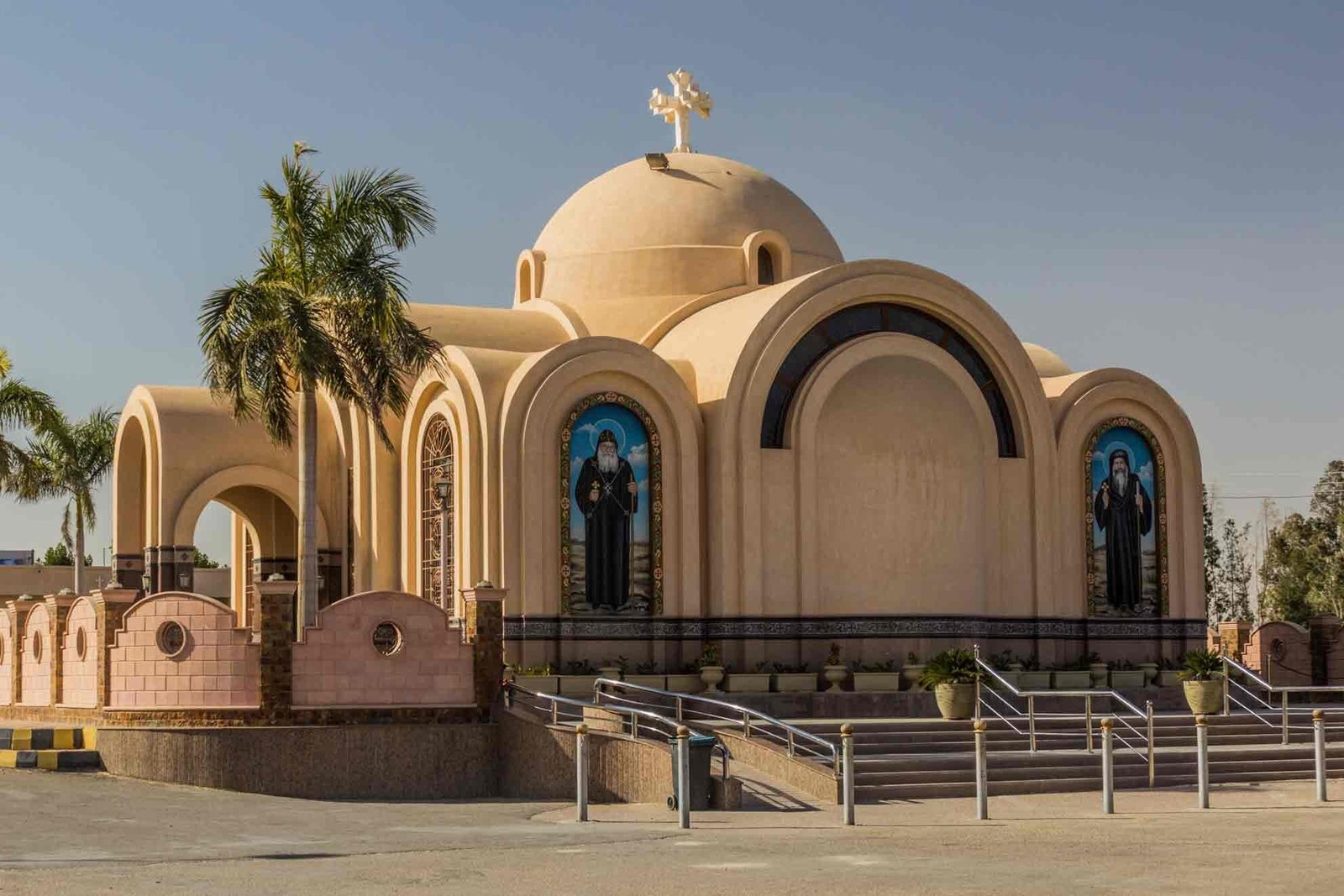
Wadi El Natrun is arguably one of the most spectacular destinations on the Holy Family Trail. Situated in Egypt’s Western Desert, the region contains some of the oldest continuously inhabited Christian monasteries in the world. The peaceful desert environment creates an atmosphere unlike any other stop on the route.Monastery of Saint Macarius
Founded in the fourth century, this monastery remains an important center of monastic life. Visitors encounter ancient churches, manuscripts, defensive walls, and remarkable examples of Coptic architecture.Monastery of the Syrians
Known for its artistic treasures and historic frescoes, the Monastery of the Syrians attracts historians, researchers, and tourists interested in religious art. Its preserved murals provide rare insights into medieval Christian culture in Egypt. Together, the monasteries of Wadi El Natrun represent one of the world’s most significant concentrations of monastic heritage. Their isolation helped preserve traditions and architectural features that might otherwise have disappeared over the centuries.The Virgin Mary Tree in Matariya
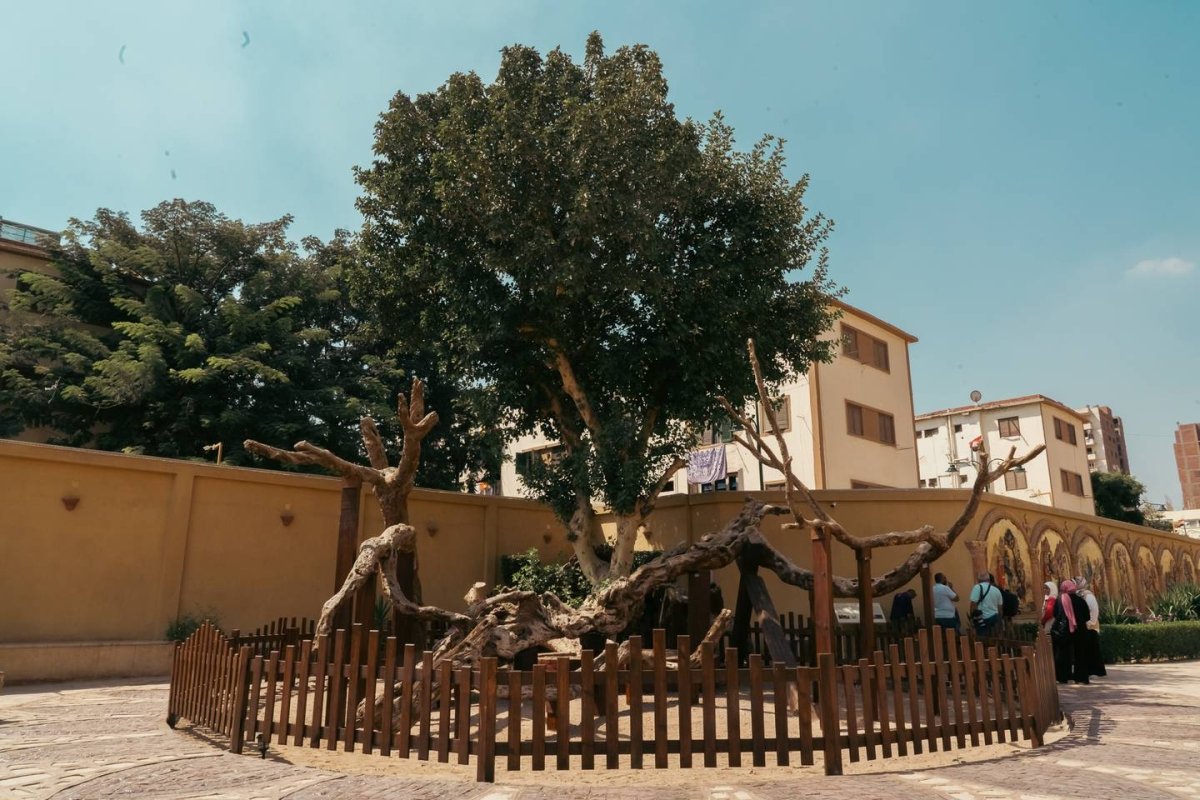 The Virgin Mary Tree in Matariya is among Cairo’s most famous religious landmarks. Located in the northeastern part of the city, the site combines natural beauty, history, and cultural significance. Restoration efforts have enhanced visitor facilities while preserving the character of the location.
The area includes gardens, a historic well, and interpretive displays that help visitors understand the site’s place within the broader Holy Family Trail. Despite being located within a bustling metropolis, the grounds provide a peaceful atmosphere that contrasts sharply with Cairo’s busy streets.
Tourists often appreciate how the site demonstrates the coexistence of modern urban life and ancient heritage. It serves as a reminder that many of Egypt’s most important historical locations remain integrated into contemporary communities.
The Virgin Mary Tree in Matariya is among Cairo’s most famous religious landmarks. Located in the northeastern part of the city, the site combines natural beauty, history, and cultural significance. Restoration efforts have enhanced visitor facilities while preserving the character of the location.
The area includes gardens, a historic well, and interpretive displays that help visitors understand the site’s place within the broader Holy Family Trail. Despite being located within a bustling metropolis, the grounds provide a peaceful atmosphere that contrasts sharply with Cairo’s busy streets.
Tourists often appreciate how the site demonstrates the coexistence of modern urban life and ancient heritage. It serves as a reminder that many of Egypt’s most important historical locations remain integrated into contemporary communities.
Old Cairo Religious Complex
Abu Serga Church
The Church of Saints Sergius and Bacchus, commonly known as Abu Serga, is one of the most visited churches in Egypt. Located within Old Cairo‘s Religious Complex, it features remarkable architecture, ancient icons, and a historic crypt that attracts visitors from around the world.The Hanging Church
Nearby stands the famous Hanging Church, one of Egypt’s most iconic Christian landmarks. Built above the ruins of a Roman fortress, the church is celebrated for its beautiful wooden ceiling, impressive icon collection, and historical significance. Together, these sites form one of Cairo’s most important cultural districts. Visitors can explore churches, museums, synagogues, and Roman remains within a compact area, making Old Cairo a must-see destination for anyone interested in Egypt’s diverse heritage.Maadi
Located on the banks of the Nile south of central Cairo, Maadi offers another significant stop on the route. The area is known for its historic church, riverside setting, and tranquil atmosphere. Modern development has transformed Maadi into one of Cairo’s most attractive districts while preserving important heritage landmarks. Visitors often enjoy combining a trip to Maadi with other Cairo attractions. The district’s tree-lined streets, international community, and riverside scenery create a pleasant environment for exploration. The contrast between ancient religious heritage and modern urban life makes Maadi particularly interesting for cultural travelers.Gabal El-Teir
Gabal El-Teir, located in Minya Governorate, is one of Upper Egypt’s most dramatic religious sites. Perched on a cliff overlooking the Nile, the monastery and church complex offer breathtaking views of the surrounding landscape. Restoration projects have improved accessibility while preserving the site’s historical character. The natural setting contributes significantly to the visitor experience. Standing atop the cliffs, travelers can appreciate the beauty of the Nile Valley while exploring one of Egypt’s most important pilgrimage destinations. The combination of scenery, history, and architecture makes Gabal El-Teir a standout attraction on the route.Al-Muharraq Monastery
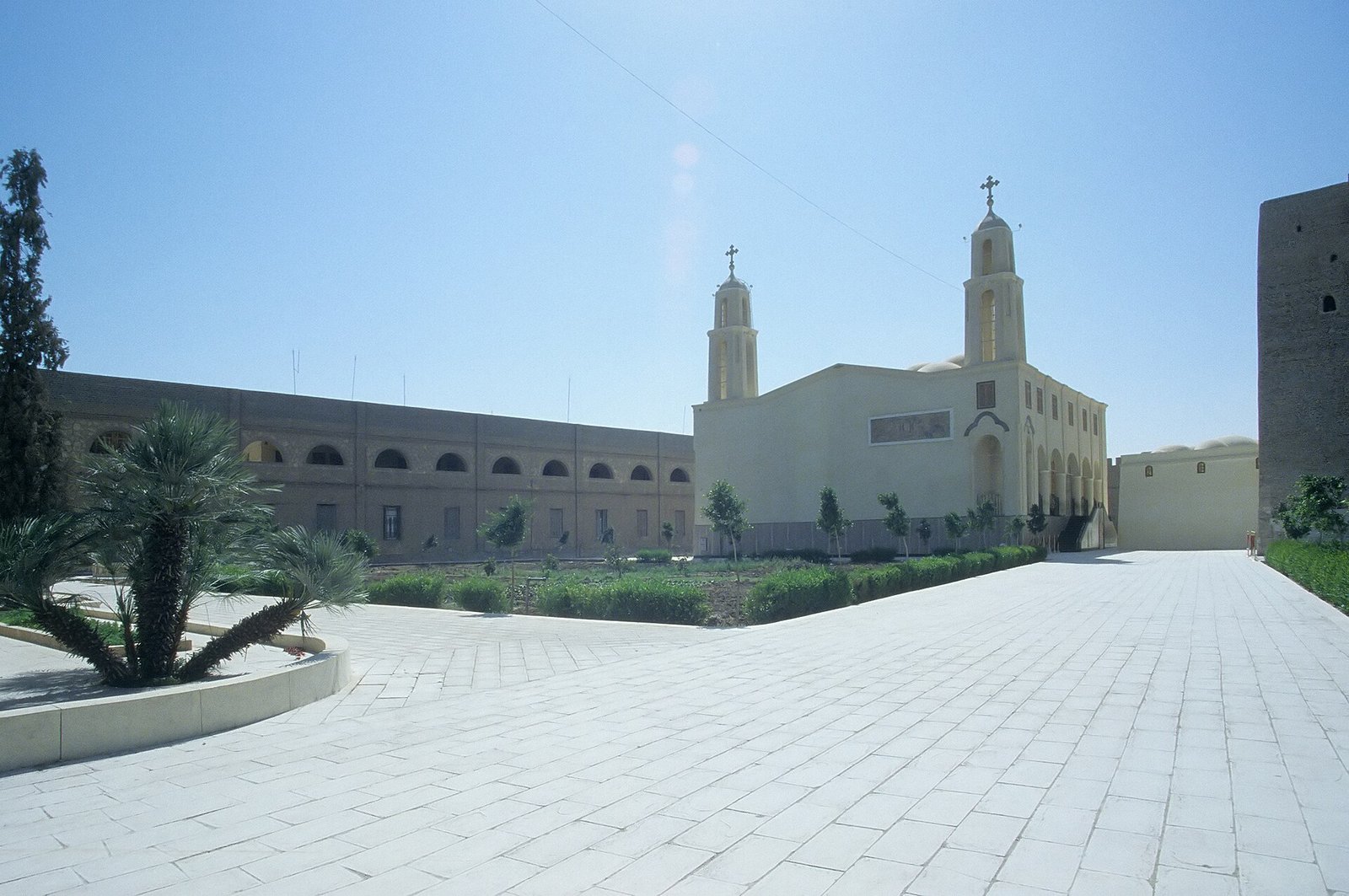 Often regarded as one of the most important destinations on the entire trail, Al-Muharraq Monastery is located in Assiut Governorate. The complex contains historic churches, monastic buildings, and religious artifacts that have attracted pilgrims for generations.
Visitors frequently describe the monastery as one of the most spiritually and historically significant sites in Egypt. The architecture reflects centuries of development while preserving elements dating back to some of the earliest periods of Egyptian Christianity.
The surrounding landscape adds to the sense of isolation and tranquility that many travelers seek when exploring heritage destinations.
Often regarded as one of the most important destinations on the entire trail, Al-Muharraq Monastery is located in Assiut Governorate. The complex contains historic churches, monastic buildings, and religious artifacts that have attracted pilgrims for generations.
Visitors frequently describe the monastery as one of the most spiritually and historically significant sites in Egypt. The architecture reflects centuries of development while preserving elements dating back to some of the earliest periods of Egyptian Christianity.
The surrounding landscape adds to the sense of isolation and tranquility that many travelers seek when exploring heritage destinations.
Drunka Monastery
Near Assiut lies Drunka Monastery, another major destination on the Holy Family Trail. Located amid rugged hills and dramatic scenery, the monastery attracts large numbers of visitors annually. The setting creates a powerful visual impression that distinguishes it from many other locations along the route. The complex includes churches, pilgrimage facilities, and panoramic viewpoints overlooking the surrounding countryside. Visitors often combine Drunka with other Upper Egypt destinations, creating a broader cultural itinerary that showcases the region’s rich heritage. Its growing popularity reflects increasing interest in spiritual tourism and the broader development of the Holy Family Trail as a national tourism project.Tourism Development Along the Trail
Recent years have witnessed significant investment in the Holy Family Trail. Restoration projects, infrastructure improvements, visitor centers, road upgrades, and enhanced tourism services have transformed many sites into world-class destinations. Government initiatives aim to position the route as a leading international attraction for cultural and spiritual travelers. The benefits extend beyond tourism statistics. Local communities gain economic opportunities, historical monuments receive preservation funding, and visitors enjoy improved access to some of Egypt’s most remarkable heritage sites. As awareness of the route continues to grow internationally, the Holy Family Trail is increasingly recognized as one of the country’s most important tourism assets.Skip the Hassle: Experience the Holy Family Trail
Tracing the sacred and historic steps of the Holy Family Trail in Egypt is a profound journey, but organizing the logistics of this extensive route can quickly become overwhelming. Skip the stress of navigating unfamiliar roads, arranging reliable transportation, and finding knowledgeable local guides by booking directly with Cairo Day Tours. We handle every single detail from start to finish, ensuring your pilgrimage is seamless, comfortable, and deeply enriching. Ready to experience this unforgettable adventure? Contact us today to reserve your Holy Family Trail tour and let us take care of all the planning.Conclusion
The Holy Family Trail offers far more than a collection of religious landmarks. It presents a journey through Egypt’s cultural, architectural, and historical diversity, connecting ancient cities, desert monasteries, riverside churches, archaeological sites, and vibrant local communities. From Farma in Sinai to Drunka in Assiut, each destination contributes a unique chapter to one of the country’s most fascinating tourism experiences. For travelers seeking meaningful cultural exploration beyond Egypt’s traditional attractions, these sites provide an extraordinary opportunity to discover a different side of the nation’s heritage. The continued preservation and development of the trail ensure that future generations will be able to experience these remarkable destinations for years to come.FAQs
1. How many sites are included in the Holy Family Trail?
The official route includes approximately 25 recognized stations across Egypt.2. Which site is considered the starting point of the trail?
Farma (Ancient Pelusium) in the Sinai region is generally recognized as the entry point into Egypt.3. What is the most famous site in Cairo on the route?
The most visited locations are Abu Serga Church, the Hanging Church, the Virgin Mary Tree in Matariya, and the Church of the Virgin Mary in Maadi.4. Which area contains the ancient desert monasteries?
Wadi El Natrun is home to several historic monasteries and is one of the most important monastic regions in the Christian world.5. Can tourists visit all the sites today?
Yes. Many of the major locations have been restored and developed for tourism, with improved facilities and infrastructure for visitors.
Table of Contents
hide