
Introduction
The pyramids in Egypt are a marvel of ancient engineering. They stand as a testament to human ingenuity and ambition. These iconic structures have fascinated travelers for centuries. For anyone planning Egypt pyramids travel, these monuments define both the horizon and the imagination.
Most people know about the Pyramids of Giza. The Great Pyramid is the most famous of them all. But Egypt has many more pyramids worth exploring.
Beyond Giza, there are hidden gems waiting to be discovered. The Saqqara Pyramid, for instance, is the oldest stone pyramid in Egypt. It offers a glimpse into the early days of pyramid construction.
The Dahshur Pyramid complex is another must-see. It includes the Bent Pyramid and the Red Pyramid. Each has its own unique architectural style and history. For those visiting the pyramids, Egypt’s Dahshur area rewards extra time with fewer crowds.
The Meidum Pyramid is often overlooked by tourists. Yet, it provides a quieter, more intimate experience. It’s a transitional form between step-sided and smooth-sided pyramids.
Visiting the pyramids in Egypt is more than just a sightseeing trip. It’s a journey through time. You’ll walk in the footsteps of pharaohs and ancient builders.
The pyramids were built as tombs for Egypt’s rulers. They are part of larger necropolises, surrounded by myths and legends. These stories add to their allure and mystery.
Traveling to the pyramids in Egypt requires some preparation. Understanding local customs and climate is essential. This ensures a smooth and enjoyable visit.
The pyramids are located near Cairo, making them accessible for day trips. They are a UNESCO World Heritage Site, recognized for their historical significance. They are the pyramids Egypt travelers flock to, anchoring many itineraries. Millions of visitors are drawn to their grandeur each year.
Exploring the pyramids can include guided tours and camel rides. Nearby museums offer additional insights into ancient Egyptian culture. The surrounding desert landscape adds to the mystique and beauty of the experience.
The pyramids’ construction techniques are still debated among historians. They reflect the ancient Egyptians’ advanced understanding of mathematics and engineering. Despite centuries of study, many mysteries remain unsolved.
The pyramids’ alignment with the stars may have had religious significance. They are an enduring symbol of Egypt and its ancient civilization. Their scale and grandeur continue to captivate visitors from around the world.
This travel guide will take you beyond Giza. Discover the complete story of Egypt’s pyramids. Prepare for an unforgettable adventure into the heart of ancient history.
Overview of Pyramids in Egypt
Egypt is synonymous with pyramids, drawing millions of visitors worldwide. These ancient structures are not just historical landmarks; they are wonders of architectural brilliance. The pyramids in Egypt showcase a civilization’s rich past and its profound knowledge of construction.
The majority of the pyramids were constructed during the Old and Middle Kingdom periods. Each pyramid served as a tomb for a pharaoh, designed to help them in the afterlife. This reflects the ancient Egyptians’ deep beliefs in immortality and the divine.
At the heart of Egypt’s pyramid landscape is the Giza Plateau. It is home to the world-renowned Great Pyramid of Giza, among others. This site is often the first stop for travelers exploring the pyramids. However, there are many more pyramids scattered across the country.
Key pyramid sites outside Giza include Saqqara, Dahshur, and Meidum. Each of these sites offers unique insights into the evolution of pyramid building techniques and styles. Visiting these locations provides a broader understanding of ancient Egyptian culture.
Here is a brief list of prominent pyramid sites:
- Giza Plateau: Houses the Great Pyramid, the Sphinx, and more.
- Saqqara: Home to the Step Pyramid of Djoser.
- Dahshur: Features the Bent Pyramid and the Red Pyramid.
- Meidum: Offers a transitional pyramid design.
- Abu Rawash: Contains the ruined Pyramid of Djedefre.
The construction of pyramids was an incredible feat for the time. Workers hauled massive stone blocks over long distances, all without modern machinery. The techniques used remain a mystery, fueling endless fascination and scholarly debate.
The pyramids are aligned with celestial bodies. This demonstrates the ancient Egyptians’ knowledge of astronomy and its importance in their religion. These alignments were not accidental but carefully calculated to reflect divine connections.
The allure of these pyramids lies not only in their grandeur but also in the mysteries they embody. Despite centuries of study, the pyramids continue to intrigue and inspire. They capture the imagination of explorers, scholars, and artists alike.
Overall, the pyramids of Egypt offer much more than a glimpse into a bygone era. They are a testament to the creativity, ambition, and spiritual beliefs of a great civilization. Whether you’re a history buff or a casual traveler, these ancient structures promise an unforgettable journey.
Importance of Pyramids in Ancient Egyptian Culture
Pyramids stand as monumental achievements in ancient Egyptian culture. They symbolize power, religious belief, and architectural advancement. Beyond their grandeur, these structures tell profound stories about their creators.
The pyramids were essential for the ancient Egyptians’ religious practices. As tombs for pharaohs, they were thought to ensure a successful journey to the afterlife. This belief shaped the design and construction of every pyramid, embedding spiritual significance into each stone.
Ancient Egyptians held their rulers in divine regard. Pharaohs were seen as gods on Earth, connecting the mortal world to the divine realm. The grandeur of the pyramids reflected the pharaoh’s status and their supposed role in maintaining cosmic order. Thus, building a pyramid was not just a royal endeavor but a sacred duty.
The construction of pyramids also exhibits Egypt’s advanced understanding of mathematics and engineering. Architects and workers employed innovative techniques and precise calculations. This knowledge facilitated the creation of these colossal stone structures, which still baffle historians and engineers today.
Pyramids played a role in uniting Egypt. The massive workforce required for construction brought together people from different regions. This collaboration promoted cultural cohesion and economic growth, as resources were pooled to achieve a common monumental goal.
Below are several key roles pyramids served in ancient Egyptian culture:
- Religious Symbolism: Represented a bridge to the afterlife.
- Divine Authority: Reinforced the pharaoh’s god-like status.
- Architectural Achievement: Showcased advanced building and mathematical skills.
- Societal Unification: Fostered unity and cooperation among the populace.
- Economic Catalyst: Stimulated trade and resource management.
The pyramids also anchored Egyptian identity. They were a lasting tribute to a civilization that valued innovation, faith, and social order. Their significance extends well beyond their original purpose, influencing art, culture, and even modern architecture.
In essence, pyramids are not just ancient tombs; they are emblems of a civilization’s glory and belief system. Their cultural impact is as eternal as their stone structures, continuing to captivate the modern world. These mighty monuments embody the spirit of a remarkable era, forever marking humanity’s shared heritage.
The Giza Plateau

The Giza Plateau stands as a testament to ancient Egyptian ingenuity. Located just outside modern-day Cairo, it hosts the most iconic pyramids known worldwide. This site draws millions of visitors each year, all eager to witness its grandeur.
Spanning vast desert landscapes, the plateau is home to the Great Pyramid, the Pyramid of Khafre, and the Pyramid of Menkaure. These structures epitomize ancient architectural prowess. Each pyramid has its unique style and significance, adding depth to the historical narrative of Egypt. The plateau also features the Great Sphinx, adding another layer of mystery and allure. Visitors often find themselves spellbound by the sheer scale and historic significance of this archaeological marvel.
The Great Pyramid of Giza
The Great Pyramid of Giza is an ancient wonder. Built for Pharaoh Khufu, it remains the only surviving structure of the Seven Wonders of the Ancient World. This grand edifice was completed around 2560 BCE and reaches a height of 481 feet. Its creation reflects unmatched architectural prowess for its time.
The pyramid’s construction required precision. Each block was painstakingly carved and set, aligning with cardinal points. This accuracy showcases the Egyptians’ advanced understanding of astronomy and mathematics. The pyramid originally had a casing of smooth, white limestone, which gleamed in the sunlight. This feature added to its majestic appearance.
Inside, the pyramid houses a series of intricate passageways and chambers. These include the King’s Chamber, located at the heart of this massive structure. Tours often guide visitors through these passageways, providing an insight into the pyramid’s mysterious interior.
The construction remains a source of scholarly debate. Questions about how thousands of workers transported massive stones continue to intrigue historians. Some theorists propose ramps, while others suggest alternative methods.
The legacy of the Great Pyramid extends beyond its construction. It has inspired countless works of fiction, art, and study. Its status as a cultural and historical icon endures, captivating global audiences.
Key features of the Great Pyramid include:
- Height: Originally 481 feet tall.
- Construction Period: Completed around 2560 BCE.
- Astrological Alignment: Aligned with cardinal points.
The Great Pyramid remains a symbol of ancient achievement. This monument’s influence persists in contemporary culture and scholarship. Visitors to the site can experience the awe-inspiring craftsmanship firsthand, stepping back into the rich past of human history.
The Pyramid of Khafre
The Pyramid of Khafre is another marvel on the Giza Plateau. Built for Pharaoh Khafre, it stands as the second tallest pyramid in Egypt. Its initial construction occurred shortly after the Great Pyramid.
At first glance, Khafre’s pyramid appears taller than its predecessor. This is a clever architectural illusion, achieved by building it on higher ground. The structure originally had a casing of smooth Tura limestone, some of which remains at its peak.
Visitors often note the pyramid’s proximity to the Great Sphinx. This formidable guardian sits nearby, enhancing the mystique of the site. Khafre’s pyramid offers visitors a closer look at ancient Egyptian artistry and craftsmanship.
The pyramid contains a variety of internal chambers. These spaces served both practical and ceremonial purposes. Today, portions of these passageways are accessible to tourists, providing a glimpse into ancient burial customs.
Khafre’s complex also included temples and smaller pyramids. These structures served as part of a larger mortuary infrastructure. Engravings and relics from this period offer insights into royal life and death rituals.
Distinctive aspects of the Pyramid of Khafre include:
- Height: Initially 448 feet.
- Remaining Casing Stones: Visible at the top.
- Associated Structures: Includes the Great Sphinx and temple complexes.
Khafre’s pyramid encapsulates the grandeur and mystery of ancient Egypt. It captures the ingenuity of its builders and the ambition of its age. Travelers visiting this monument are offered not only a peek into Egypt’s majestic history but also the opportunity to reflect on its enduring legacy.
The Pyramid of Menkaure
The Pyramid of Menkaure completes the trio at Giza. Built for Pharaoh Menkaure, it stands as the smallest of the three main pyramids. Despite its size, this structure holds a unique charm and significance.
Menkaure’s pyramid measures approximately 213 feet in height. Its construction features granite and limestone, showcasing different stylistic elements from its larger neighbors. The pyramid’s base is distinctly smaller, yet it embodies elegance and precision.
The interior contains fewer chambers than its counterparts, focusing on the central burial chamber. Historic texts suggest it may have served a dual function, both as a tomb and a symbol of the pharaoh’s divine role.
Surrounding the pyramid are several smaller structures. These include three smaller pyramids, likely intended for the pharaoh’s queens. These supporting edifices illustrate the broader familial aspects of ancient royal burials.
Key features of Menkaure’s pyramid are:
- Height: Approximately 213 feet.
- Materials: Limestone and granite.
- Supporting Structures: Three smaller pyramids for queens.
Menkaure’s pyramid, though less grand than others, offers insight into variations in pyramid-building practices. It represents a distinct approach to royal burial, underscoring the Egyptians’ reverence for their rulers. Visitors to this site witness a more intimate expression of ancient tradition and homage.
Lesser-Known Pyramids in Egypt
Beyond the grandeur of Giza lies lesser-known pyramids in Egypt. These sites capture unique facets of ancient Egyptian innovation and ambition.
Visitors often overlook these treasures. Yet, they offer a quieter and more intimate experience. Each pyramid holds a story, etched in stones that have stood the test of time. Exploring them reveals the cultural richness and diversity of ancient Egyptian architecture. Each site adds depth to the narrative of a civilization that, though ancient, continues to captivate the modern world.
Saqqara Pyramid
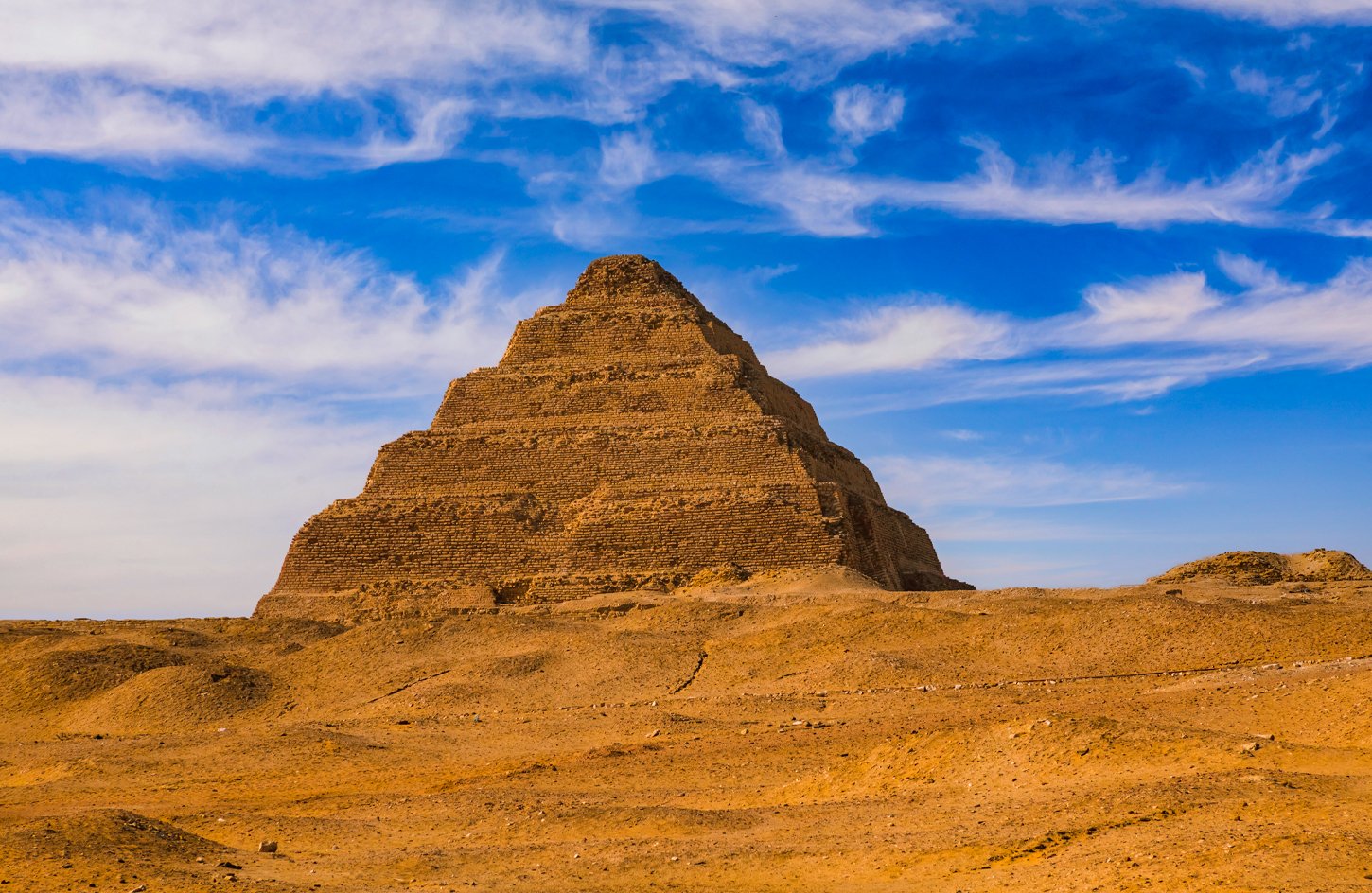
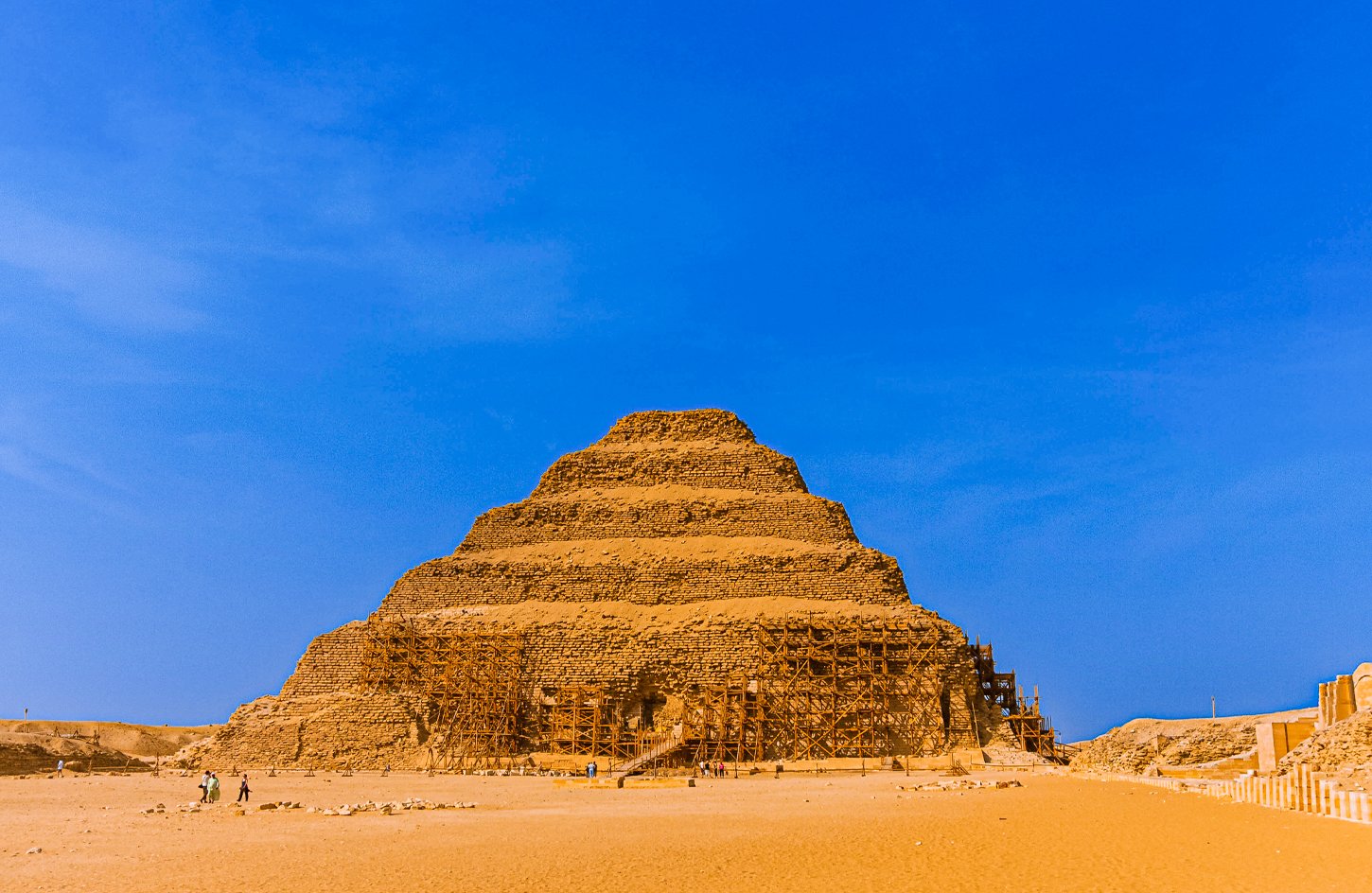
The Saqqara Pyramid is a pivotal structure in Egypt’s architectural history. Also known as the Step Pyramid, it was built for Pharaoh Djoser. Its construction marks a significant departure from earlier burial mounds.
This pyramid, located in the Saqqara necropolis, is part of the ancient city of Memphis. Designed by the architect Imhotep, it signifies a breakthrough in stone construction. The Step Pyramid rises in six distinct stages, totaling to a height of 203 feet.
The pyramid was constructed around 2670 BCE, setting a precedent for future pyramid designs. Its innovative form showcases the shift from traditional mastabas to a more sophisticated architectural style. Saqqara served as a model for subsequent pyramids, influencing builders for generations.
Visitors can explore the surrounding complex, which includes courtyards and temples. These structures were integral to religious and ceremonial functions. The area features a variety of tombs, providing insight into ancient funerary practices.
Inside the pyramid, a series of underground tunnels lead to the burial chamber. While access may be restricted, guided tours offer comprehensive insights into its historical significance. Saqqara is a UNESCO World Heritage site, recognizing its importance in world history.
Key features of the Saqqara Pyramid include:
- Height: 203 feet.
- Construction Period: Around 2670 BCE.
- Architect: Imhotep, heralded for his pioneering design.
The Saqqara Pyramid stands as a testament to early architectural innovation. It bridges the gap from rudimentary structures to the iconic pyramids of Egypt of later dynasties. Visitors to Saqqara witness the origins of a tradition that defined ancient Egyptian civilization.
Dahshur Pyramid
The Dahshur Pyramid complex is another architectural gem. Positioned south of Cairo, it showcases unique styles and historical significance. Dahshur is home to both the Bent Pyramid and the Red Pyramid.
The Bent Pyramid, built for Pharaoh Sneferu, is one of Egypt’s most unusual pyramids. Its distinctive shape arises from a change in angle halfway through its construction. This modification was likely to prevent structural failure, giving it a bent appearance. This pyramid marks a significant learning point in pyramid construction.
Adjacent to it is the Red Pyramid, also constructed by Sneferu. It represents a successful execution of a smooth-sided pyramid. As Egypt’s first true pyramid, it stands at a height of 344 feet and marks an important evolutionary step in pyramid design. Its name derives from the reddish hue of its limestone blocks.
The Red Pyramid’s interior offers a rare opportunity for exploration. Visitors can enter through a narrow passage, revealing three chambers within. This experience provides a glimpse into the early advancements of Egyptian tomb architecture.
Visitors to Dahshur benefit from fewer crowds, allowing for a more personal experience. The serene desert surroundings further enhance the ambiance, providing a stark contrast to the bustling sites of Giza.
Distinct attributes of Dahshur Pyramids:
- Bent Pyramid: Unique shape due to construction changes.
- Red Pyramid: First true smooth-sided pyramid, 344 feet tall.
- Historical Impact: Key developments in pyramid-building techniques.
The Dahshur Pyramids offer an extraordinary look at trial and error in ancient construction. They symbolize the adaptability and progressiveness of Egyptian builders. Traveling to Dahshur means stepping into a quieter piece of Egypt’s storied past, unmarred by throngs of tourists.
Meidum Pyramid
The Meidum Pyramid is steeped in mystery and intrigue. It stands southeast of Cairo and exemplifies transitional pyramid architecture. Built for Pharaoh Sneferu, it represents a shift from tiered to smooth-sided pyramids.
Originally constructed as a step pyramid, Meidum underwent alterations. The outer casing, added later, ultimately collapsed, leaving only the core visible today. Despite this collapse, Meidum remains a key evolutionary milestone in pyramid design.
The pyramid is surrounded by an extensive mortuary complex. This includes a temple and two subsidiary pyramids. These elements were crucial for funerary rites and rituals dedicated to the pharaoh.
Visitors to Meidum often enjoy a peaceful environment, removed from the bustling tourist spots. This isolation allows for reflection on the site’s historical narrative. The surrounding landscape offers picturesque views, enhancing the overall experience.
Points of interest regarding the Meidum Pyramid:
- Original Design: Initially a step pyramid.
- Collapse: Outer casing failed, exposing the core.
- Significance: Transition point in pyramid architecture.
The Meidum Pyramid stands as both a monument and a cautionary tale. Its design failures illustrate the challenges faced by ancient architects. Yet, it also embodies the relentless pursuit of architectural perfection that characterized ancient Egypt.
Abu Rawash Pyramid
The Abu Rawash Pyramid is a lesser-known gem located north of Giza. Attributed to Pharaoh Djedefre, it holds the distinction of being one of the most elevated pyramid sites in Egypt.
Constructed during the Fourth Dynasty, Abu Rawash was initially intended to be a magnificent structure. However, its completion was truncated, leaving it in a state of partial disrepair. Despite its incomplete status, the site offers unparalleled vistas of the surrounding landscape.
The pyramid remains an active area of archaeological interest. Excavations reveal insights into Fourth Dynasty construction methods and plans. The site’s proximity to Giza makes it an intriguing addition for those venturing beyond the main tourist circuits.
Notable characteristics of the Abu Rawash Pyramid:
- Pharaoh: Djedefre, son of Khufu.
- Status: Unfinished, yet of historical interest.
- Location Advantage: Elevated, offering wide-reaching views.
Visiting Abu Rawash provides a unique opportunity to explore off the beaten path. The site’s incomplete state invites visitors to ponder the challenges faced by ancient builders. It is a location where history, geology, and archaeology converge, offering a distinctive exploratory experience.
Hawara Pyramid
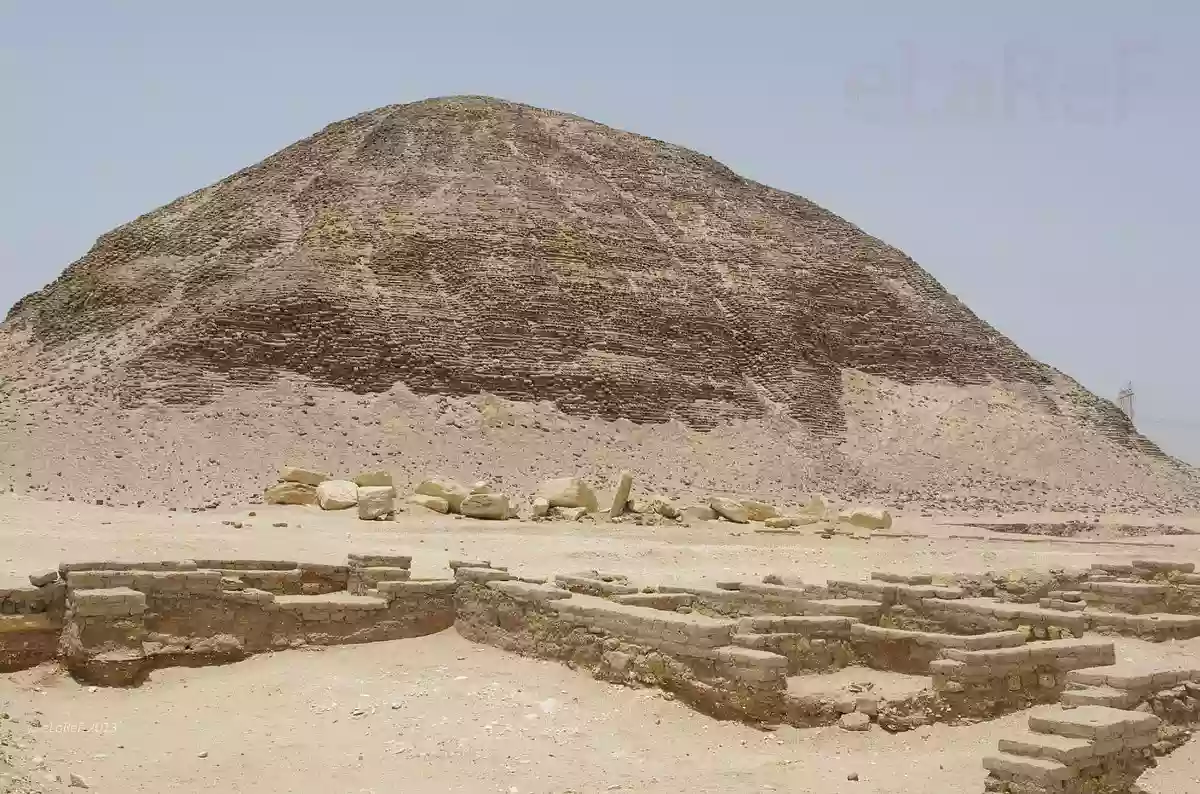
The Hawara Pyramid, located near the Faiyum region, is an understated marvel built by Pharaoh Amenemhat III. It serves as a testament to Middle Kingdom ingenuity and funerary practices.
Constructed from mudbrick and encased in limestone, the pyramid once stood proudly as the focal point of the royal necropolis. Its exterior has eroded over time, but its significance endures.
The pyramid featured a unique labyrinth, a complex network of chambers designed to deter tomb robbers. This aspect highlights the Egyptians’ advanced understanding of security and deterrence in burial practices.
Today, the surrounding area of Hawara includes the remnants of this labyrinth. Explorations often reveal artifacts and insights into Amenemhat III’s reign and accomplishments.
Key details regarding the Hawara Pyramid:
- Pharaoh: Built by Amenemhat III.
- Construction Material: Primarily mudbrick.
- Labyrinth: Designed as a robber deterrent.
The Hawara Pyramid might lack the grandeur of its predecessors, but it compensates with historical intrigue. The surrounding artifacts and architectural innovations make it a must-see for archaeology enthusiasts. Visitors experience a profound connection to the continuity of Egyptian architectural traditions.
Planning Your Trip
Planning your trip to the pyramids in Egypt involves several key considerations. These include timing, transportation, and accommodations.
It’s crucial to set an itinerary that aligns with your preferences. Whether you prefer a guided tour or independent exploration, there are options to suit your style. Understanding local customs and climate will enhance your experience. Preparing in advance ensures a smooth journey.
Best Time to Visit The Pyramids in Egypt
The best time to visit the pyramids in Egypt is generally during the cooler months. From October to April, temperatures are more moderate, making outdoor exploration enjoyable.
Traveling to the pyramids in Egypt during these months allows you to avoid the intense summer heat. Cooler weather is ideal for exploring the vast desert landscapes and the ancient structures that dot the terrain.
Not only is the weather more pleasant, but the crowds are also smaller in the winter months. This period provides a perfect opportunity to enjoy a more intimate encounter with these magnificent sites.
Factors to consider for timing your visit:
- Weather: October to April offers cooler temperatures.
- Crowds: Fewer visitors outside peak summer months.
- Comfort: Mild conditions improve the exploration experience.
Choosing the right time ensures that your visit is both comfortable and rewarding. Taking climate into account can dramatically enhance your pyramid adventure.
Travel Tips for Visiting the Pyramids in Egypt
Visiting the pyramids in Egypt requires careful preparation. These Egypt pyramids travel tips can make your journey seamless and enjoyable.
Begin by wearing comfortable shoes, as you’ll be walking on uneven, sandy terrain. Clothing should also be light and breathable, with sun protection in mind. A hat and sunscreen are essentials.
Staying hydrated is crucial. The arid environment can lead to dehydration, so carry sufficient water. Consider using a reusable bottle to reduce waste. Also, having local currency on hand is advisable for purchasing water, snacks, or souvenirs.
Photography enthusiasts should prepare for captivating vistas. Bring cameras or smartphones, but also check on photography restrictions at certain sites. Respect the guidelines to avoid fines or interruptions.
Key travel tips include:
- Footwear: Comfortable, sturdy shoes for rough terrain.
- Clothing: Light, breathable attire; sun protection.
- Hydration: Bring ample water; reusable bottles preferred.
Following these tips ensures a safe and satisfying experience. Adequate preparation enhances not only your comfort but also your appreciation of these ancient wonders.
Best Tours for Exploring Pyramids
Choosing the right tour can transform your experience when visiting the pyramids in Egypt. Whether you plan to visit Egypt pyramids on a half-day tour or a multi-day journey beyond Giza, options abound.
If time is limited, a guided tour of the Giza Plateau offers the essentials. This often includes the Great Pyramid, the Sphinx, and the panoramic vistas of the desert. Knowledgeable guides provide historical insights that enrich the visit.
For those with more flexibility, multi-day tours extend beyond Giza. These tours typically include sites like Saqqara, Dahshur, and Meidum. Such tours offer a comprehensive view of ancient Egyptian architectural evolution.
Several tour operators also offer specialized themes. Archaeological tours, for instance, dive deeply into history and excavation findings. Others focus on photography, providing optimal light conditions and angles for capturing stunning images.
Popular pyramid tour options:
- Half-Day Giza Tour: Perfect for a succinct yet enlightening visit.
- Multi-Day Excursions: Broaden your experience across multiple pyramids.
- Themed Tours: Specialized focus, such as archaeology or photography.
Selecting a tour that matches your interests can greatly enrich your pyramid journey. Whether you seek historical depth or visual splendor, there’s a tour that’s right for you.
Skip the Hassle and Book With Easy Transfer 24/7
Traveling can be stressful, but booking with Easy Transfer 24/7 alleviates much of the hassle. They offer dependable services tailored for those visiting the pyramids in Egypt.
Easy Transfer 24/7 specializes in round-the-clock services, ensuring your travel plans are seamlessly executed. Their offerings include airport transfers, sightseeing transportation, and customized travel solutions. You can rest assured with professional drivers and well-maintained vehicles.
One of their strengths is personalized service. Whether you’re a solo traveler or in a group, they adapt to your needs. Choosing Easy Transfer 24/7 guarantees prompt and secure transport, allowing you to focus on the experience.
Benefits of using Easy Transfer 24/7:
- Reliability: Trusted transfers any time of the day.
- Flexibility: Tailored solutions for individual or group needs.
- Convenience: Professional, hassle-free service.
Book your tour right now and prepare to have the best experience yet in Egypt!
Conclusion
The pyramids in Egypt are timeless marvels of ancient engineering and culture. Each pyramid holds secrets of the past and offers insights into one of history’s greatest civilizations.
Visiting these iconic structures is a journey through time. It allows you to witness the grandeur that has fascinated generations. Beyond the legends and mysteries, the pyramids stand as a testament to human ambition and creativity. They continue to inspire awe in millions who venture there.
Why You Should Visit
There are countless reasons to embark on a journey to the pyramids in Egypt. Primarily, they provide a unique glimpse into ancient history. Their sheer scale and architecture are unparalleled. Additionally, the surrounding landscapes create picturesque settings ideal for reflection and photography.
Key reasons to visit include:
- Historical Insight: Experience history firsthand.
- Architectural Wonders: Marvel at the design and construction.
- Cultural Significance: Learn about ancient Egyptian beliefs and traditions.
These ancient wonders are not only symbols of the past but also catalysts for personal discovery. A visit to the pyramids in Egypt is truly an unforgettable adventure that enriches your understanding of global heritage.
Check our other articles:
- Coptic Cairo
- A Photographer’s Guide to Capturing Cairo’s Beauty
- Cairo’s Parks and Gardens
- Cairo on a Budget