
Introduction
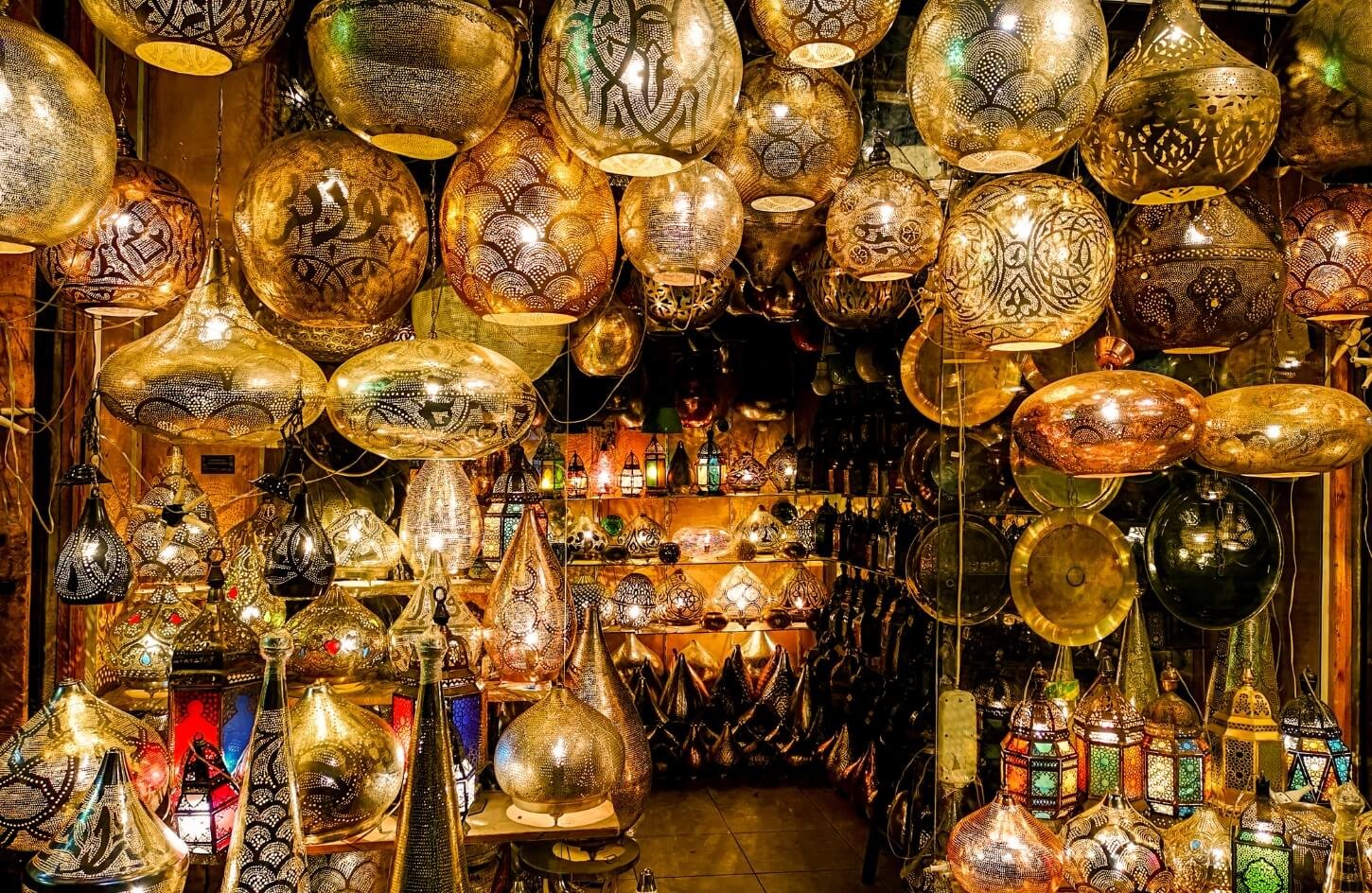
The Egyptian Bazaar is a treasure trove of history and culture, often noted as the Cairo Egyptian Bazaar by travelers. Nestled in the heart of Cairo, it beckons travelers with its vibrant allure. This market is not just a place to shop; it’s a journey through time and a Cairo market Egypt visitors cherish.
Imagine walking through narrow alleys filled with colorful stalls. The air is thick with the aroma of exotic spices. Each corner reveals a new discovery, a new story.
The bazaar dates back to the Ottoman era. Its architecture is a testament to the rich history of Egypt. Every stone and archway whispers tales of the past.
Shopping in Cairo is an experience like no other. For shopping in Egypt, Cairo—often summarized as ‘shopping in Egypt Cairo’ in travel tips—shines. The Egyptian Bazaar offers a unique blend of tradition and modernity. Here, ancient crafts meet contemporary goods.
Visitors can find a wide array of products. From spices and textiles to jewelry and crafts, the choices are endless. Each item tells a story of Egyptian heritage.
Haggling is part of the experience. It’s a cultural dance between buyer and seller. This practice adds to the charm of shopping in Egypt and in any Egyptian market.
The bazaar is more than an Egypt marketplace. It’s a cultural and social hub. Locals and tourists mingle, sharing stories and experiences.
The market’s vibrant energy is infectious. It draws you in, inviting you to explore its depths. Every visit offers something new and exciting.
The Egyptian Bazaar is a photographer’s paradise. Its lively atmosphere and colorful displays are a feast for the eyes. Capturing its essence is a rewarding challenge.
Guided tours are available for those seeking a structured exploration. These tours offer insights into the bazaar’s history and significance. They enrich the visitor’s experience.
The bazaar is a living museum. It preserves the traditions and crafts of Egypt. It’s a place where the past meets the present.
Visiting the Egyptian Bazaar is a must for any traveler and one of the essential markets in Cairo. It offers a unique blend of history, culture, and commerce. It’s a journey through time, waiting to be explored.
Overview of the Egyptian Bazaar
The Egyptian Bazaar captivates visitors with its historical allure. This bustling marketplace in Cairo sits among the most vibrant markets in Cairo, a lively mix of sights, sounds, and scents. It is a must-visit destination for anyone traveling to the region.
Dating back to the Ottoman era, the bazaar reflects centuries of trade and commerce. Its architecture is a beautiful blend of traditional designs and vibrant colors. Walking through its corridors feels like stepping back in time.
The bazaar is renowned for its diverse offerings. You’ll find everything from spices and herbs to jewelry and textiles. The rich variety makes it a favorite destination for both locals and tourists.
In the market, haggling is an art form. It is common to negotiate prices with vendors. This practice is part of the cultural fabric of Egyptian marketplaces and the broader Egypt marketplace.
Here’s what you can typically find in the Egyptian Bazaar:
- Spices: An array of colorful, aromatic spices for cooking.
- Textiles: Beautiful fabrics and handwoven goods.
- Jewelry: Intricate pieces made from gold, silver, and precious stones.
- Crafts: Unique, handmade art and crafts.
- Souvenirs: Perfect mementos to bring home.
The bazaar is not only a shopping destination but also a cultural experience within the wider Egypt marketplace tradition. It offers a glimpse into the daily life of Egyptians. The market is a gathering place, where stories and laughs are shared.
Visitors will be enchanted by the market’s lively environment. There’s an infectious energy that makes each visit memorable. It’s a place where different cultures and traditions meet.
Navigating the narrow alleys of the bazaar can be an adventure. Each turn offers new stalls filled with fascinating goods. The bazaar’s maze-like layout is part of its charm.
The Egyptian Bazaar is strategically located in central Cairo. This makes it easily accessible for both locals and tourists. Its location allows for convenient exploration of the surrounding city.
Being in the Egyptian Bazaar is like witnessing a living piece of history. It embodies the enduring spirit of Egyptian trade and culture. This market invites you to dive into its vibrant tapestry of life.
Importance of Egyptian Markets in Culture
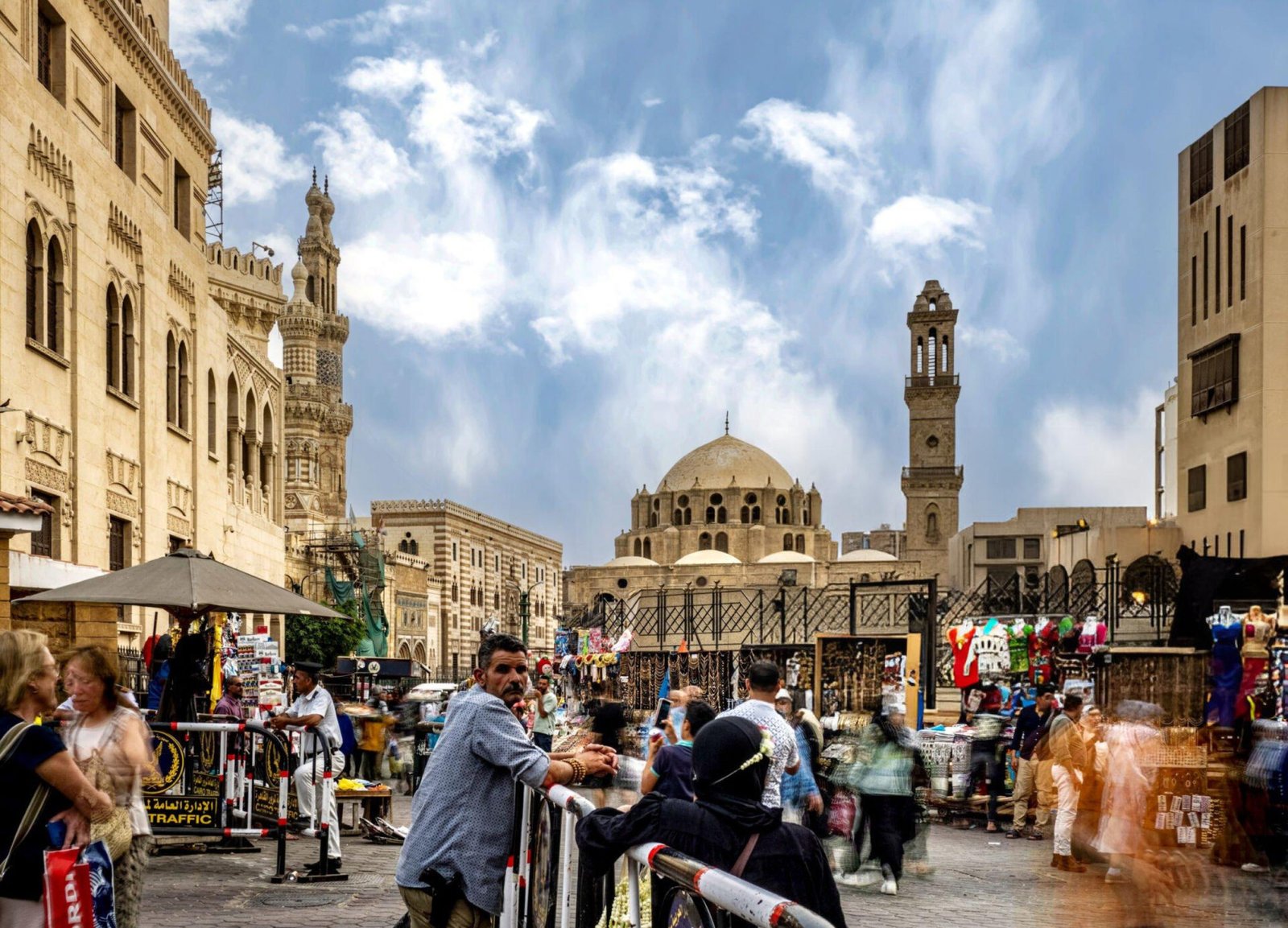
Egyptian markets have always played a pivotal role in cultural life. These bustling centers are more than just places for buying goods. They are the heart of community and tradition.
Across the markets Egypt is known for, these roles are constant and deeply rooted.
Each market offers insight into the country’s diverse heritage. They reflect the day-to-day lives of Egyptians and their vibrant customs. Wandering through these spaces is both enlightening and exhilarating.
At the core of Egyptian culture, markets serve multiple purposes. They provide essential goods, foster social interaction, and preserve traditions. These functions make markets indispensable to community life.
Here are some key reasons why Egyptian markets are culturally significant:
- Community: A gathering space for people to connect and share news.
- Tradition: A place where historical crafts and skills are showcased.
- Economy: Markets contribute to local economies by supporting small businesses.
- Culture: They offer a snapshot of Egypt’s multifaceted cultural landscape.
Markets support the unique identity of each neighborhood. They bring together people from various backgrounds and walks of life. This diversity enriches the cultural experience for everyone who visits.
Shopping in Egyptian markets goes beyond mere transactions. It becomes a dialogue between buyers and sellers. This interaction creates a bond and deepens understanding between people.
Through the bustling bazaars, one learns about Egyptian values. Respect for tradition, warmth, and hospitality are evident in every exchange. Markets make these values come alive in a tangible way.
Moreover, Egyptian markets are learning grounds for younger generations. They help pass down skills and knowledge from artisans to apprentices. This ensures that ancient crafts and customs endure through time.
In essence, markets are vibrant tapestries of Egypt’s cultural fabric. They showcase the essence of Egyptian identity in a dynamic setting. A visit to any market is a chance to immerse oneself in this living culture.
The Historical Significance of Egyptian Bazaars
Egyptian bazaars have stood the test of time, leaving a mark on history. They have always been vibrant hubs of commerce and culture. These lively markets reflect the historical evolution of Egypt’s trade and society.
Over centuries, bazaars played a crucial role as centers of exchange. They facilitated not only the trade of goods but also the exchange of ideas. This made them vital to Egypt’s development, influencing everything from economic practices to social interactions. Through these bustling avenues, we can trace the footsteps of a storied civilization.
Origins of the Bazaar in Ancient Egypt
The concept of the bazaar can be traced back to Ancient Egypt. This era laid the groundwork for today’s vibrant markets. Rooted in necessity, these early marketplaces catered to the community’s essential needs.
Trade was foundational to Egyptian society. The ancient marketplaces were cradles of commerce and social interaction. These bustling centers witnessed the trade of commodities like grains, textiles, and metals.
Merchants from various regions thrived on a simple principle—fair exchange. This openness to diversity became the hallmark of Egyptian markets. The confluence of cultures in these marketplaces enriched the fabric of ancient society.
Egypt’s geography played a crucial role in the bazaar’s origins. Located at the crossroads of Africa and the Mediterranean, it was a natural trade hub. The Nile River was a vital artery that connected distant markets.
Marketplaces were dynamic points of convergence. They brought together traders, artisans, and buyers from across the lands. This blend fostered not only economic transactions but cultural and intellectual exchange.
In these ancient bazaars, Egyptians accessed exotic goods and ideas. Spices from Asia, gold from Nubia, and silks from the East all found their way to Egyptian stalls. The markets became symbols of cultural integration and prosperity.
As these ancient marketplaces prospered, they evolved structurally and functionally. Open spaces transformed into distinct districts within cities. Here, specialty goods were displayed based on type and origin.
The layout of these early markets echoed their importance. Public squares and streets became lined with stalls and booths. These bustling avenues created a lively rhythm that was integral to Egyptian life.
In summary, the origins of Egyptian bazaars are deeply intertwined with the ancient world. They were not mere places of transaction but vibrant centers of culture. A spirit of diversity and exchange brought these early markets to life, paving the way for the thriving marketplaces in Egypt we see today.
Evolution through the Ages
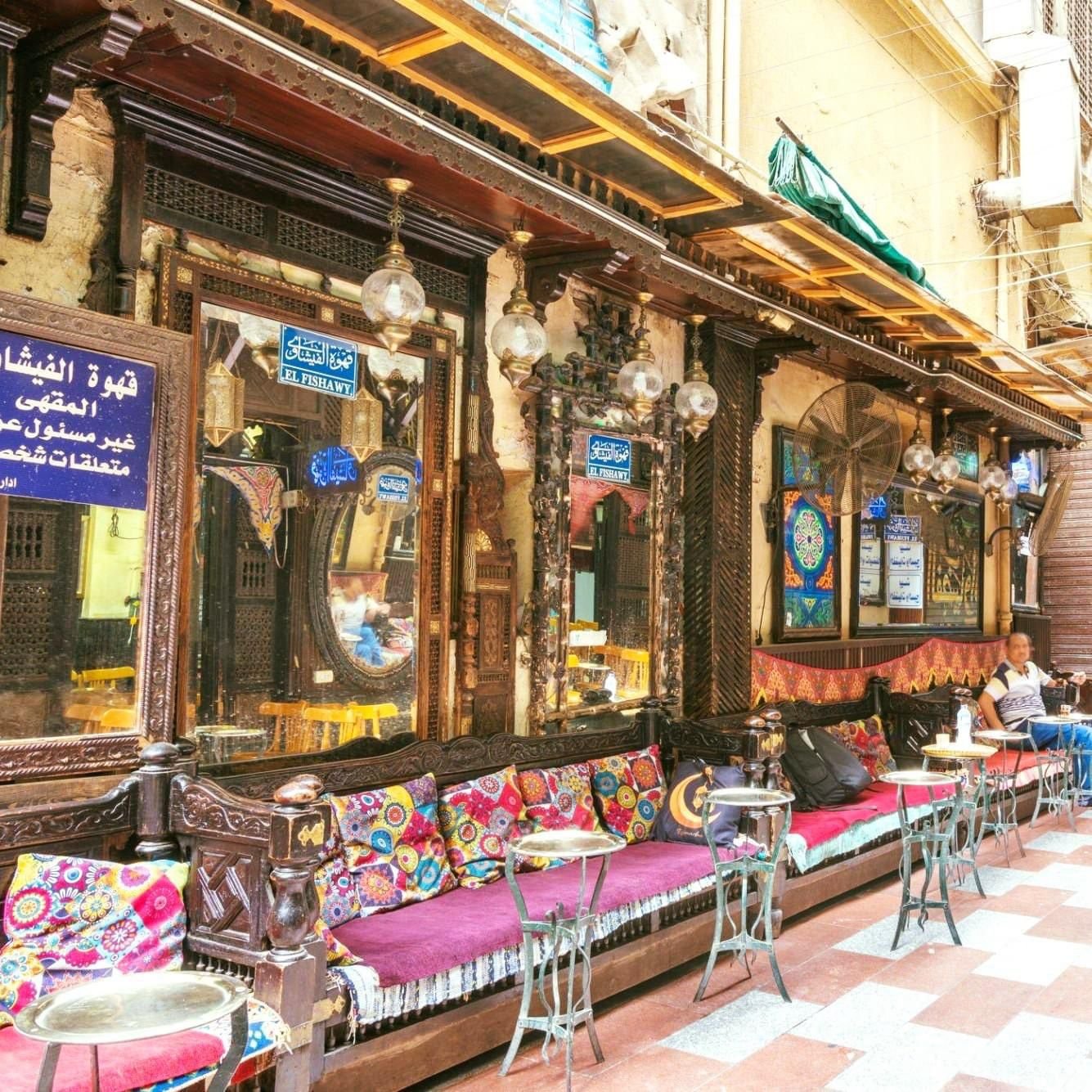
As centuries passed, Egyptian bazaars evolved into hubs of activity and culture. Each era contributed unique elements, enriching the tapestry of marketplace tradition.
During the Islamic period, bazaars flourished further. The rise of trade routes enhanced their significance, and merchant guilds emerged. These guilds played a pivotal role in maintaining the quality and standard of goods.
The Ottoman Empire witnessed a surge in commerce within Egyptian markets. This era introduced architectural sophistication, with covered alleyways and domed ceilings becoming common features. Markets began to reflect Ottoman grandeur in their structure and opulence.
With modernity, Egyptian bazaars adapted to new economic trends. Although technology brought change, the core essence of the marketplace remained untouched. Traditional crafts continued to thrive amidst the influx of contemporary products.
Key Evolutionary Milestones:
- Ancient Era: Establishment of trade networks and the integration of foreign goods.
- Islamic Period: Development of merchant guilds and enhanced trade routes.
- Ottoman Era: Architectural advancements and expanded market influence.
- Modern Era: Blend of tradition with modern commerce.
The lure of these markets remained irresistible to both local and international traders. The global significance of Egyptian bazaars grew with innovations and fluctuating trade dynamics. This international interest helped preserve the bazaar tradition despite changing times.
Throughout history, the aesthetics of bazaars continually evolved. Beyond architecture, the sensory experience also changed. New scents, sounds, and sights enveloped market visitors as the portfolio of wares expanded.
Despite evolving times, one constant remained: the vibrant spirit of Egyptian bazaars. Marketplaces persisted as social and cultural epicenters, facilitating interactions across diverse strata. They continued to be sites where traditions were upheld and new ideas were born.
In recent decades, Egyptian markets embraced a dual identity. While honoring ancient traditions, they also welcomed innovation. This adaptability ensured their survival amid global shifts in commerce.
Today, Egyptian bazaars stand as testaments to cultural resilience and adaptation. The journey from ancient trade points to modern markets highlights an enduring legacy. They continue to embody the spirit of Egypt—a land where history, culture, and commerce converge in harmonious blend.
Exploring the Egyptian Bazaar in Cairo
Cairo’s Egyptian Bazaar offers an adventure through a maze of vibrant stalls. It’s an immersion into history and culture, right in the city’s heart. The market pulsates with life, inviting both locals and tourists into its animated embrace. From the moment you step inside, the air is filled with the rich aromas of spices, mingling with the lively chatter of vendors and shoppers. When travelers research shopping in Cairo or look for a ‘Cairo market Egypt’ to explore, this bazaar often tops the list.
Each stall presents a unique story, showcasing treasures ranging from exquisite jewelry to handwoven textiles. As you navigate its narrow alleys, you’ll find hidden gems around every corner. The bazaar is not just about buying goods—it’s an invitation to experience Egypt’s living heritage and to connect with its enduring traditions.
Key Locations of Egyptian Bazaars
Egypt is home to numerous bustling bazaars, each with a distinct charm. These markets offer a snapshot of the country’s cultural and historical richness. They are sprinkled across various cities, serving as hubs for commerce and social interaction. For guides to the markets Egypt showcases to the world, Cairo often leads the way.
Cairo, Egypt’s capital, houses some of the most renowned bazaars. The Khan El Khalili is among the most famous, an iconic Egyptian market. Established in the 14th century, it remains a vibrant center for trade and exploration. It’s a maze filled with intricate alleyways, inviting visitors to lose themselves in its wonders.
Alexandria, another historic city, boasts the Raml Station Market. This bazaar provides a delightful mix of old-world charm and modern-day commerce. Its lively atmosphere draws in those looking to experience authentic Egyptian culture. Whether purchasing goods or simply wandering, it promises a captivating experience.
Luxor’s Souq offers visitors a different perspective. Nestled near ancient ruins, this bazaar intertwines history with the rhythm of daily Egyptian life. It’s a great spot for finding traditional crafts and indulging in local culinary delights. The market’s proximity to historic sites enhances its allure for travelers.
Aswan also features a prominent market, known for its Nubian influence. The Aswan Souq presents a vivid tapestry of colors, sounds, and scents. Visitors can find traditional goods reflecting the region’s cultural diversity. It’s a destination that celebrates Egypt’s rich heritage through vibrant trade.
Here’s a brief list of major Egyptian bazaars:
- Khan El Khalili, Cairo
- Raml Station Market, Alexandria
- Luxor Souq, Luxor
- Aswan Souq, Aswan
Other notable markets can be found throughout Egypt, each offering unique treasures. Faiyum’s market is famous for its pottery and traditional handicrafts. It provides a glimpse into the region’s artistic spirit and is a must-visit for craft enthusiasts.
The sprawling markets in Giza offer more than just souvenirs. As neighbors to the famous pyramids, they present an opportunity to buy historical replicas and artifacts. Here, the past converges with the present in a lively trade setting, resonating with history.
In smaller towns, local markets thrive as community gathering spots. These bazaars may not be as well-known but offer a genuine connection to the heart of Egyptian culture. They are places where visitors can engage directly with locals and witness everyday life unfold.
Egyptian bazaars are more than mere markets; they are living museums. They encapsulate centuries of trade, cultural exchanges, and human stories. Each location is a chapter in Egypt’s ongoing story, inviting exploration and understanding.
Popular Products and Goods
Egyptian bazaars are treasure troves of diverse products. These markets offer an array of goods, appealing to all tastes and budgets. From exotic spices to intricate textiles, each item holds a story waiting to be discovered.
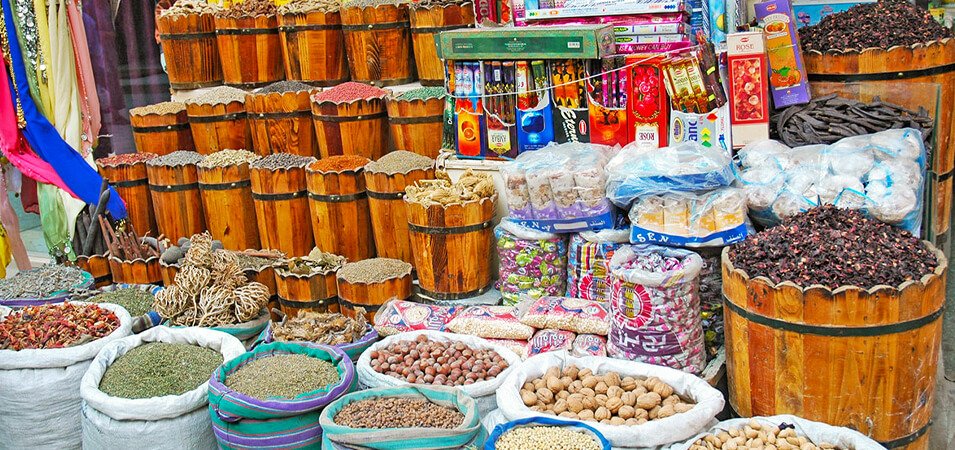
One of the most popular items is spices. Egyptian markets boast an impressive selection of spices, vibrant in both color and aroma. Shoppers can find everything from cumin and coriander to saffron and cinnamon. These spices not only flavor dishes but also reflect the country’s rich culinary heritage.
Textiles are another major attraction. The markets are adorned with beautiful fabrics, ranging from delicate cottons to luxurious silks. Many of these textiles feature traditional Egyptian designs, skillfully crafted by local artisans. These fabrics make beautiful garments and memorable souvenirs.
Jewelry also holds a special place in Egyptian bazaars. Shoppers can find both modern and ancient-inspired pieces, crafted from gold, silver, and precious stones. These pieces often draw on Pharaonic and Islamic motifs, blending history with artistry.
Visitors will also discover traditional crafts in abundance. Handmade pottery, intricate woodwork, and colorful glassware are just a few examples. Each item is a testament to the craftsmanship and artistic talent of Egyptian artisans. These goods serve as unique reminders of the country’s cultural legacy.
Here’s a quick list of popular Egyptian market products:
- Spices: cumin, saffron, coriander
- Textiles: cottons, silks, traditional designs
- Jewelry: gold, silver, precious stones
- Crafts: pottery, woodwork, glassware
Alongside these staple items, one can find aromatic perfumes. The Egyptians are renowned for their perfumes, drawing from ancient traditions. These fragrances, made from flowers, herbs, and oils, offer a sensory delight. Each scent weaves a tale of Egypt’s deep-rooted history in perfumery.
Leather goods are equally sought after. The craftsmanship of Egyptian leather is known worldwide, with items ranging from sandals to bags. These goods showcase the skill and artistry passed down through generations.
Antiques and curiosities are found in many corners of the bazaars. These can include anything from relics inspired by ancient Egypt to items from the colonial era. Shoppers often enjoy the thrill of discovering unexpected treasures as they meander through stalls.
Finally, Egyptian sweets and dried fruits offer a delicious taste of local cuisine. Markets abound with dates, figs, and traditional sweets like baklava. These treats provide a flavorful exploration of Egypt’s culinary landscape, making them perfect for gourmands.
In essence, Egyptian bazaars are vibrant, colorful, and overflowing with fascinating goods. Each product tells a story, offering insight into a culture rich with history and artistry. Shoppers can indulge in a sensory journey, uncovering treasures that capture the spirit of Egypt.
Shopping Experience in Egyptian Markets
Exploring Egyptian markets is a journey of discovery and sensory delight. The vibrant atmosphere buzzes with energy, as vendors call out to passersby with enticing deals. It’s common to see lively exchanges where haggling becomes an art form, and bargaining is not just accepted but expected. This interactive engagement with vendors adds a dynamic element to your shopping trip, transforming each purchase into a personal story.
The layout of these markets is often a charming labyrinth of narrow alleys and overflowing stalls. Each corner presents new surprises, from brightly colored textiles hanging above to the rich scent of spices below. Shoppers can easily get lost in the rhythm of the market, immersing themselves in a setting where tradition meets modern flair. The experience itself is as valuable as the items purchased, offering a unique window into local culture.
Tips for Shopping in Cairo
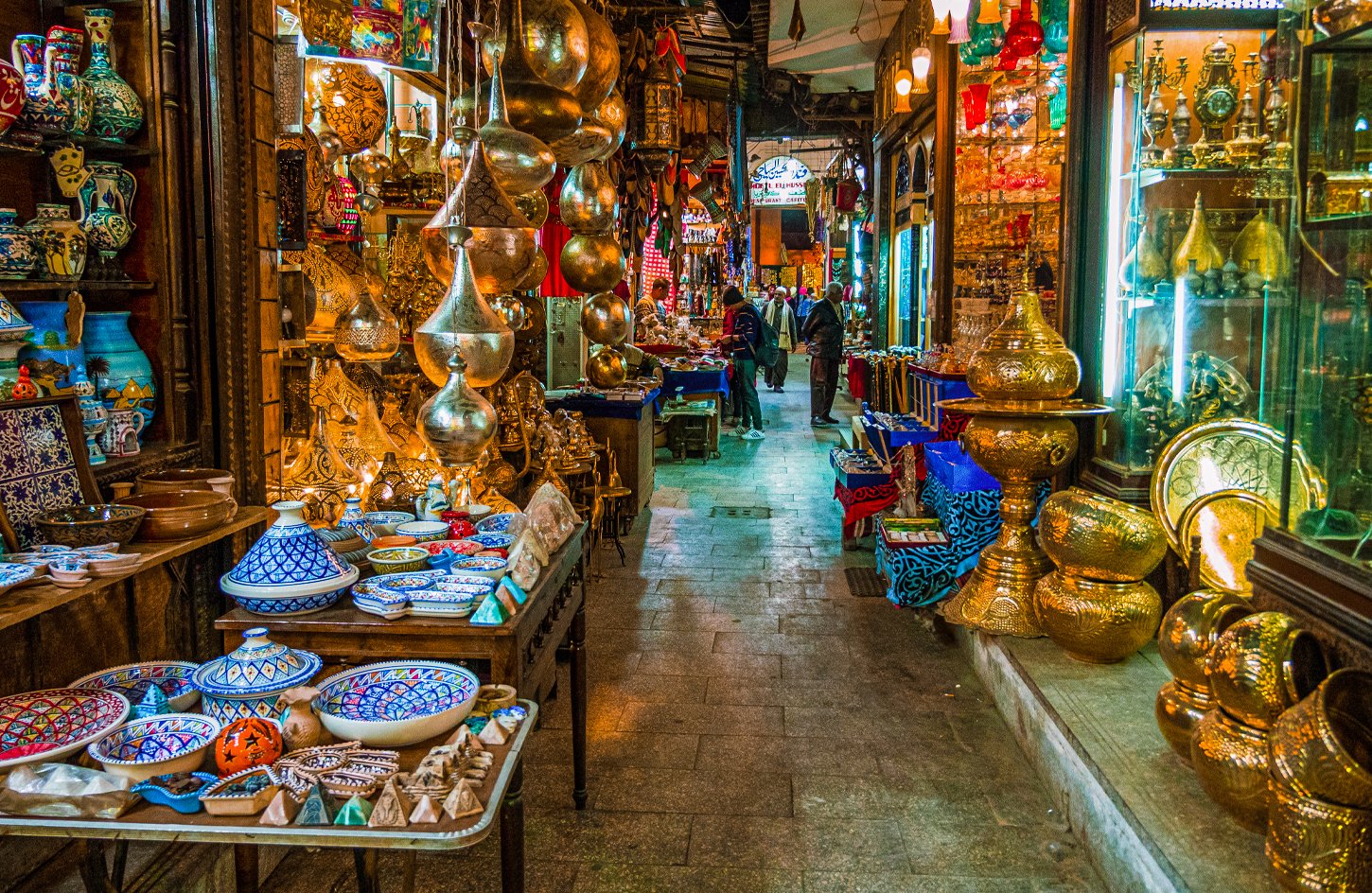
Shopping in Cairo can be an exhilarating adventure, filled with countless opportunities for discovery. To make the most of your experience, it’s essential to prepare beforehand. Knowing what to expect can help you navigate the bustling Egyptian marketplace with ease and confidence.
Firstly, understanding the local customs and shopping etiquette is crucial. Haggling is a time-honored tradition in Cairo’s markets. It’s not just about getting a good deal; it’s a cultural exchange and a way to interact with vendors. Approach it with a friendly attitude, but be firm about your budget.
Dressing appropriately can greatly enhance your market experience. Cairo is a city where cultural respect is highly valued. Dressing modestly will not only demonstrate your respect but might also earn you better deals. Loose, lightweight clothing is advisable, especially in the hot Egyptian climate.
Timing your visit can make a significant difference. The markets in Cairo are usually less crowded in the early morning and late afternoon. This is the perfect time for leisurely exploring and finding the best treasures without the usual midday rush.
Stay alert and be mindful of your belongings as you move through the crowded market. Pickpockets can sometimes be an issue, as in many tourist-heavy locations. Keeping your valuables secure and close can prevent any unfortunate incidents during your trip.
To ensure a more enjoyable shopping experience, it’s also wise to do some research beforehand. Identifying specific stalls or products you want to check out can help streamline your visit. Having a general idea of what to expect regarding prices can also be beneficial.
Here are some quick tips to keep in mind when shopping in Cairo:
- Politeness Pays Off: A smile and friendly demeanor go a long way.
- Keep Small Change Handy: It’s easier for bargaining and small purchases.
- Stay Hydrated: Cairo’s climate can be scorching, so keep water with you.
- Local Currency Is Best: Vendors prefer Egyptian Pounds over other currencies.
- Enjoy the Experience: Remember that shopping is as much about the journey as the purchases.
Skip the Hassle: Opting for a Guided Tour
While wandering through the vibrant maze of Egyptian bazaars and souks is an unforgettable adventure, the lively crowds and the constant expectation to bargain can sometimes feel a bit overwhelming for first-time visitors.
The spirited chaos is undeniably part of the country’s authentic charm, allowing you to immerse yourself in the local way of life. However, if you want to skip the hassle, book the Khan el-Khalili tour with a knowledgeable local guide in addition to visiting the Pyramids of Giza and the Grand Egyptian Museum.
Doing so not only takes the pressure off navigating the labyrinthine alleys and negotiating prices, but it also unlocks hidden historical gems, trusted artisan stalls, and the fascinating stories woven into the very fabric of this legendary marketplace.
Bargaining and Best Practices
Bargaining is a quintessential part of the shopping experience in Cairo’s markets. It’s not just about the price but the interaction and social engagement. When done with the right approach, haggling can be a fun and rewarding exercise.
To start with, approach bargaining with a positive and respectful attitude. Vendors are accustomed to negotiating, and they typically expect it. By maintaining a friendly demeanor, you’ll find that most sellers are willing to engage in the bargaining dance.
One key practice is to have a clear idea of the item’s worth before beginning the negotiation. Research the general price range for goods you’re interested in. This knowledge will empower you during negotiations, helping you counter offer appropriately.
Next, it’s useful to begin your offer lower than the price you actually want to pay. This gives you room to maneuver during the negotiation, allowing both parties to reach a satisfactory price. Be prepared for some back-and-forth; it’s all part of the haggling game.
Keep in mind that body language often communicates more than words. Maintain a composed posture and a smile. If the price doesn’t meet your expectations and you decide to walk away, do it gracefully. Sometimes, this gesture alone prompts the vendor to lower the price.
Respect is paramount in all interactions. Though haggling is expected, it’s essential to know when to draw the line. Accept if the vendor is firm on the price, especially if it seems reasonable. Recognize the value in the craftsmanship and effort each product represents.
Here’s a quick list of best practices for bargaining:
- Start Low: Offer lower than you’re willing to pay.
- Stay Calm: Keep negotiations friendly and light-hearted.
- Walk Away if Needed: This tactic can lead to a better deal.
- Research: Know prices for goods you’re interested in beforehand.
- Respect Vendors: Appreciate their craftsmanship and efforts.
Ultimately, bargaining in Cairo is about more than saving money. It’s a cultural interaction, a way to engage with local vendors and immerse yourself in the market atmosphere. Enjoy this unique aspect of shopping, and you’ll create lasting memories of your time in Egypt’s vibrant bazaars.
Conclusion
The Egyptian Bazaar in Cairo is more than just a place to shop; it is a living testament to Egypt’s vibrant history and culture. Each stall and vendor tells a story, weaving a rich tapestry of sights, sounds, and scents that captivate all who visit.
For travelers eager to experience the authentic soul of Cairo, the Egyptian Bazaar offers an unparalleled adventure and a highlight of shopping in Cairo. Here, you can embrace the spirit of Egypt, filled with color, energy, and a sense of discovery. As you navigate its bustling alleys, you’re not just shopping—you’re part of an enduring cultural tradition. Whether you’re hunting for spices, textiles, or souvenirs, remember: the true treasure lies in the memories you’ll create while exploring this extraordinary market.
Why Visit an Egyptian Market
Egyptian markets are not just shopping destinations; they are rich tapestries of culture and history. Each market offers a glimpse into the heart of Egypt’s vibrant community life. For travelers, these bazaars provide an authentic experience that’s hard to replicate elsewhere.
Exploring a market is a sensory adventure. The variety of products, from exotic spices to handmade crafts, showcases the skills and creativity of local artisans. Every stall tells a different story, making the visit an engaging journey through time and tradition.
Bazaars in Egypt are also social centers. They are places where locals gather, bargaining and engaging in lively exchanges. This bustling energy is part of what makes markets so appealing. Visitors can enjoy observing these interactions, gaining insight into daily Egyptian life.
Here are a few reasons to visit an Egyptian market:
- Cultural Immersion: Experience Egypt beyond the usual tourist spots.
- Historic Atmosphere: Walk through markets that date back centuries.
- Distinctive Souvenirs: Find unique items that capture the essence of Egypt.
- Lively Interaction: Engage with locals for a deeper understanding of the culture.
An Egyptian market visit allows you to step into a living museum. It’s a place where the past meets the present, offering a unique snapshot of Egyptian heritage. Each visit promises a new adventure, filled with surprises that make lasting memories.
Check out one of our other articles:
- Tips for Navigating Cairo
- Seasonal Events and Festivals in Cairo
- Cairo’s Street Art and Graffiti Scene
- Wellness and Relaxation in Cairo
- Hidden Gems of a Nile Cruise Adventure