

Introduction
Egyptian cuisine—often called Egypt cuisine in travel writing—is a vibrant tapestry of flavors and traditions. It reflects the country’s rich history and diverse cultural influences. From the bustling streets of Cairo to the serene banks of the Nile, food in Egypt is a celebration of life.
Egyptian dishes are a delightful blend of Mediterranean, Middle Eastern, and African flavors. They offer a unique culinary experience that is both comforting and exotic. Each dish tells a story, steeped in tradition and shared across generations.
The heart of Egyptian dishes lies in their simplicity and depth of flavor. Ingredients like legumes, grains, and vegetables are staples, reflecting Egypt’s agricultural heritage. Spices such as cumin, coriander, and cinnamon add warmth and complexity to the dishes.
Street food is an integral part of Egypt’s culinary landscape. It provides a window into the daily lives of Egyptians, offering affordable and flavorful options. From the savory Koshari to the sweet Basbousa, there’s something for every palate.
Egyptian dishes are not just about taste; they are about community and hospitality. Meals are often shared, emphasizing the importance of togetherness. This communal aspect is a cornerstone of Egyptian food culture.
Exploring Egyptian cuisine is like embarking on a flavorful journey through time. Ancient food practices still influence modern dishes, connecting the past with the present. The Nile River’s fertile lands have shaped the ingredients and flavors that define Egyptian foods.
Whether you’re a food enthusiast or a traveler planning a trip to Egypt, these dishes are a must-try. They offer a taste of Egypt’s rich culinary heritage and a glimpse into its vibrant culture. Prepare to ignite your palate with these ten must-try Egyptian dishes.
Overview of Egyptian Cuisine
Egyptian cuisine offers a harmonious blend of flavors. It draws inspiration from Mediterranean, Middle Eastern, and African influences. This diversity makes each dish unique and delightful.
The foundation of most Egyptian dishes relies on locally sourced ingredients. Think legumes like fava beans, grains like rice, and an array of fresh vegetables. These staples ensure a hearty and balanced meal.
Spices play a pivotal role in Egyptian dishes, enhancing the natural flavors. Commonly used spices include cumin, coriander, and turmeric. These spices add depth and warmth, creating distinctive tastes.
Traditional Egyptian meals often feature slow-cooked stews. The art of slow cooking allows flavors to meld perfectly. This method results in rich and savory dishes, embodying comfort in every bite.
Egyptian food culture values communal dining. Meals are shared among family and friends, emphasizing hospitality. The experience is not just about consuming food; it’s about building connections and sharing joy.
Bread, specifically Aish Baladi, is a staple at nearly every Egyptian meal. It’s used as an edible utensil and is akin to pita. This unleavened bread complements many dishes and highlights the communal aspect of dining.
Additionally, fruits like dates and figs serve as popular snacks and desserts. Their sweetness provides a perfect contrast to the savory notes in many dishes. They reflect Egypt’s rich agricultural bounty and add natural sweetness to meals.
Egyptian street food showcases the country’s culinary diversity. Vendors offer an array of flavorful and affordable options. This street food tradition is accessible and displays the creativity of Egyptian cuisine.
Importance of Egyptian Dishes
Egyptian dishes hold more than just vibrant flavors; they are a cultural emblem. They reflect a rich tapestry of history and tradition. Every meal tells a story of the land and its people.
Food in Egypt often has deep religious and festive significance. Special dishes are prepared during celebrations and religious holidays. This practice strengthens community bonds and preserves heritage.
Key Importance:
- Cultural Connection: Each dish is a link to Egypt’s ancient roots.
- Heritage Preservation: Recipes are passed down through generations.
- Community Building: Shared meals foster social ties and unity.
Furthermore, Egyptian dishes are a window into the country’s agricultural practices. The dependence on local produce like beans, grains, and vegetables reflects Egypt’s fertile landscapes. This reliance on agriculture shapes not only the food but also the economy.
By understanding the importance of these traditional dishes, you gain insight into Egypt’s past and present. Exploring food from Egypt is more than tasting; it is an immersive journey into the heart of the nation. The dishes preserve history and embody the essence of Egyptian culture.
Must-Try Egyptian Dishes
Egyptian dishes offer an exciting culinary adventure. From savory street foods to delightful desserts, Egyptian foods beckon with their aromatic allure. Each dish brings a unique experience, enriching your taste buds with centuries of tradition.
Below is a handpicked list of the top 10 Egyptian dishes you must try:
- Koshari
- Ful Medames
- Ta’ameya (Egyptian Falafel)
- Shawarma
- Molokhia
- Mahshi
- Hawawshi
- Egyptian Fattah
- Basbousa
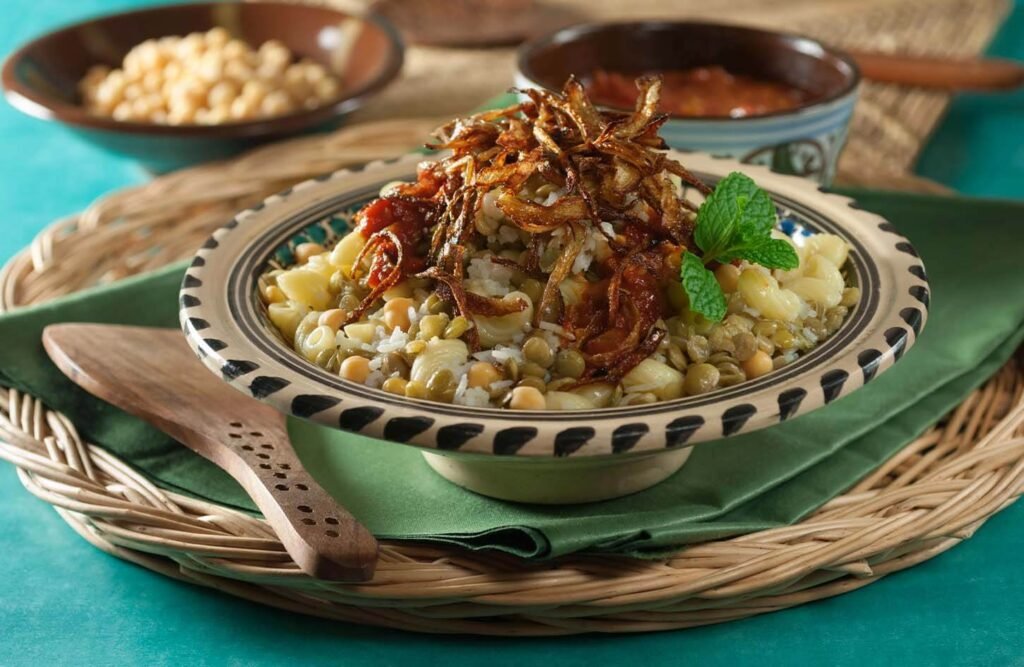
1. Koshari
Koshari stands as Egypt’s national dish, delighting locals and travelers alike. It’s a hearty combination of rice, lentils, and pasta topped with a savory, spicy tomato sauce. Crispy fried onions garnish this comforting meal, adding a delicious crunch.
Traditionally, koshari was street food, but it has found its way into Egyptian homes and restaurants. Its affordability and satisfying nature have made it a staple for many Egyptians. Whether you find it in a bustling market stall or a family dining table, koshari promises warmth and flavor.
This dish’s combination of textures and flavors might seem simple, yet it delivers depth and satisfaction. Tasting koshari is akin to tasting Egyptian history and hospitality on a plate. An incredible fusion of humble ingredients turns this meal into a culinary masterpiece.
Ingredients and Preparation
Koshari’s preparation involves layering and mixing. Here’s what you’ll need:
- Rice and Lentils: Cooked individually then mixed.
- Pasta Varieties: Usually macaroni.
- Tomato Sauce: Spicy, with cumin and coriander.
- Fried Onions: Added as a crunchy garnish.
Each component brings something special, ensuring every bite bursts with flavor.
Cultural Significance
Koshari carries cultural importance as it represents unity in diversity. The mix of grains symbolizes Egypt’s welcoming spirit, blending influences into one beloved dish. Sharing koshari often happens during communal gatherings, embodying Egyptian hospitality and warmth.
2. Ful Medames
Ful Medames is an Egyptian breakfast classic. It’s made with slow-cooked fava beans, enriched with olive oil, garlic, and a splash of lemon juice. This simple yet nutritious dish is adored for its rustic charm and flavor.
Historical Background
The dish is often garnished with various toppings to suit personal taste. Common additions include chopped onions, boiled eggs, or fresh herbs. Ful Medames is enjoyed in various settings, from humble local eateries to lavish hotels. Historical Background
Ful Medames has ancient roots. It dates back to the time of the Pharaohs. Despite its simple base ingredients, its preparation was revered in ancient Egypt. This historical resonance deepens its cultural value in Egyptian cuisine today.
Variations Across Regions
Though Ful Medames is fundamentally similar across Egypt, you can find slight regional variations.
- Cairo: Often features olive oil and lemon.
- Alexandria: May add cumin or chili for extra spice.
- Upper Egypt: Includes tahini for a richer taste.
These local twists keep the dish interesting and reflective of Egypt’s regional diversity.
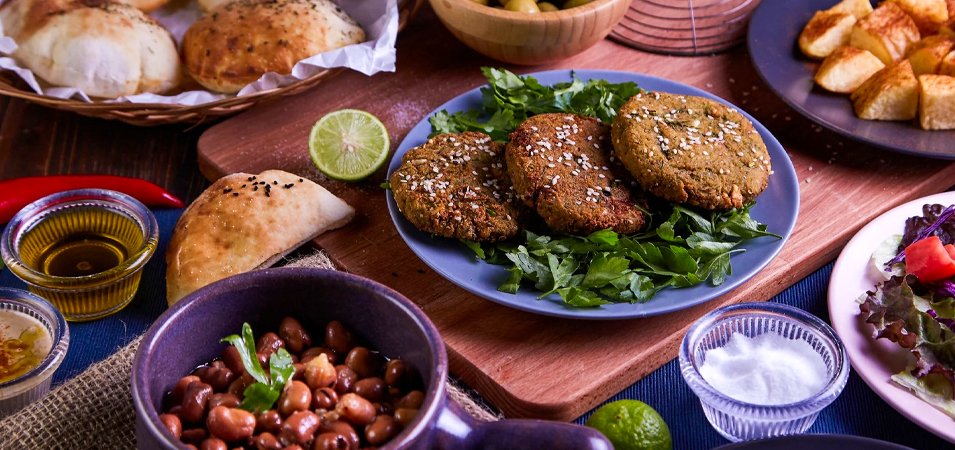
3. Ta’ameya (Egyptian Falafel)
Ta’ameya, or Egyptian falafel, is a delicious twist on the classic dish. Made with fava beans, rather than the usual chickpeas, it offers a uniquely Egyptian flavor profile. Crispy on the outside and soft inside, Ta’ameya is a staple food in Egypt.
Served widely across the country, Ta’ameya is frequently enjoyed for breakfast. It is often consumed with fresh bread, salad, and an assortment of pickles. Its vegetarian appeal and delightful taste make it widely popular.
Ingredients and Cooking Process
Key components of Ta’ameya include:
- Fava Beans: Ground to create the perfect base.
- Spices: Such as cumin and coriander for robust taste.
These ingredients mix to create a nutritious, flavorful pattie fried to perfection.
Vegetarian Appeal
Ta’ameya offers considerable allure for vegetarians. It’s plant-based yet packed with protein. Enjoying Ta’ameya is a guilt-free indulgence for both vegetarians and those who appreciate bold flavors.
4. Shawarma
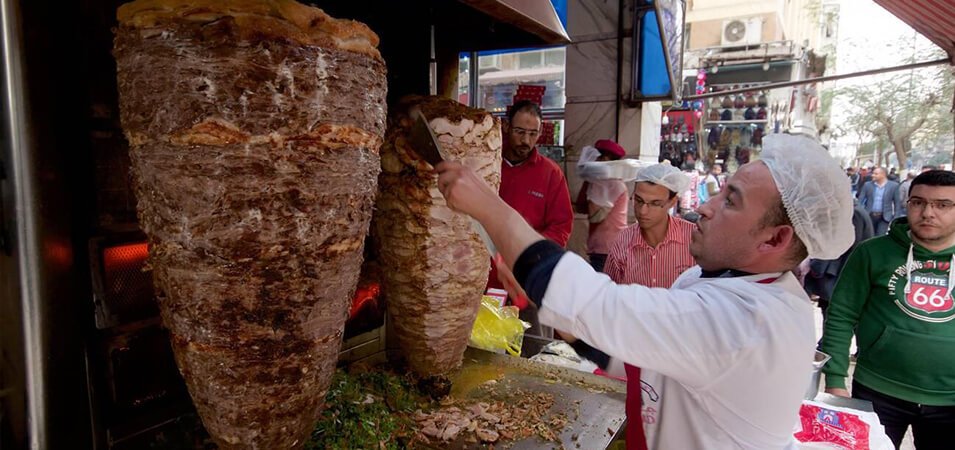
Shawarma is one of the universally loved Egyptian dishes. This Middle Eastern delight consists of thinly sliced marinated meat, usually chicken or lamb. It’s cooked on a vertical spit, making it extraordinarily juicy and flavorful.
Typically served in pita bread with an array of toppings, shawarma is quick and convenient. It’s an excellent choice for a lunch or an on-the-go snack. The taste of the meat, alongside garlic sauce or tahini, creates a splendid flavor profile.
Cooking Techniques
Shawarma requires specific cooking techniques to achieve its signature taste:
- Marination: Infused with spices such as cumin, turmeric, and cinnamon.
- Slow-Cooking: Meat is roasted slowly on a spit, ensuring tenderness and flavor.
This method of cooking keeps the meat moist and succulent.
Serving Suggestions
Shawarma is versatile. Enjoy it wrapped in bread with pickles and tomatoes. Alternatively, savor it as part of a platter with salads and rice. Each method highlights the dish’s savory and aromatic qualities.
5. Molokhia
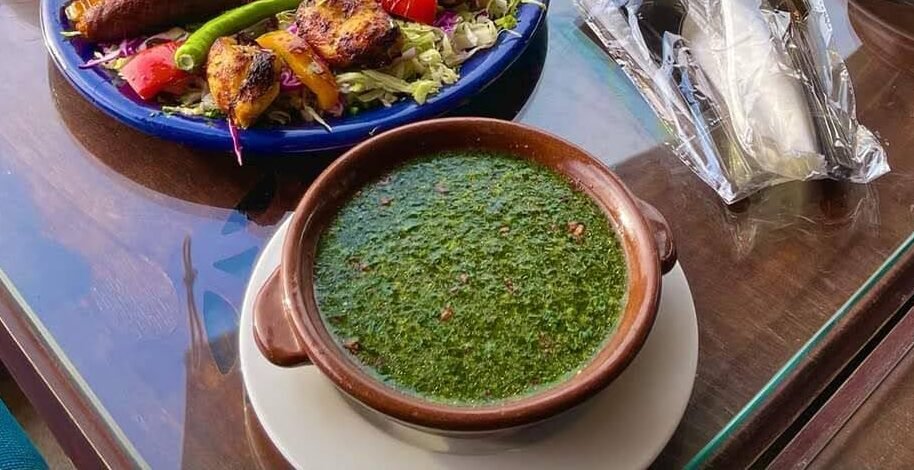
Molokhia is one of the signature Egyptian dishes. Made with jute leaves, it’s often referred to as a soup or stew. The leaves provide a slightly slippery texture, but the flavor is captivatingly earthy and green.
Typically prepared with chicken or rabbit, Molokhia is seasoned with cilantro and garlic for depth. This filling meal is commonly served over rice or with Aish Baladi, a type of Egyptian bread, which makes it even more wholesome.
Health Benefits
Molokhia is not only delicious but nutritious too:
- Rich in Vitamins: A and C for immune support.
- Low in Calories: A great option for a health-conscious meal.
- High in Fiber: Supports digestion and heart health.
These benefits make it a popular choice among health-savvy Egyptians.
Traditional Recipes
Traditional Molokhia recipes often call for:
- Chicken or Rabbit: Adds protein and richness.
- Garlic and Cilantro: Key flavor enhancers.
Such recipes have stayed consistent through generations, making this dish a treasured staple in Egypt.
6. Mahshi
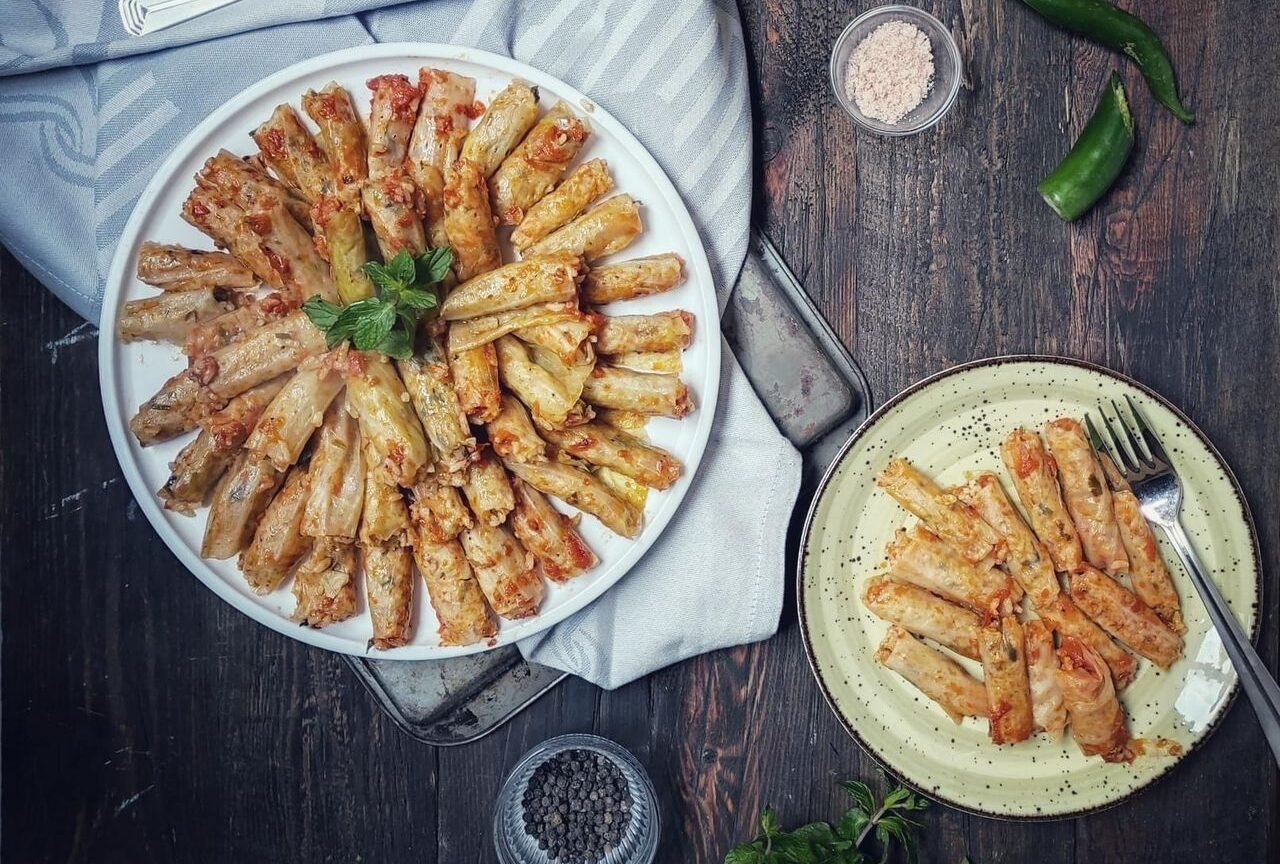
Mahshi is a beloved Egyptian dish featuring vegetables stuffed with savory rice. Popular vegetables include bell peppers, zucchini, and grape leaves. This dish is an embodiment of Egyptian hospitality and is often part of lavish meals.
The stuffing generally consists of rice mixed with herbs and spices. Sometimes, minced meat is included for extra richness. Mahshi is cherished as a family favorite, particularly at big gatherings or festivities.
Different Types of Mahshi
Numerous types of Mahshi exist, allowing various fillings:
- Peppers: Offer a sweet contrast to savory stuffing.
- Zucchini: Soft and tender when cooked.
- Grape Leaves: Provide a slight vinegary kick.
These varieties ensure a delightful dining experience, showcasing Egyptian creativity.
Cooking Tips
To perfect Mahshi, follow these tips:
- Don’t Overstuff: Leave room as rice expands when cooked.
- Layer Vegetables: Prevents sticking and enhances flavors.
Following these tips preserves the dish’s integrity and deliciousness.
7. Egyptian Fattah
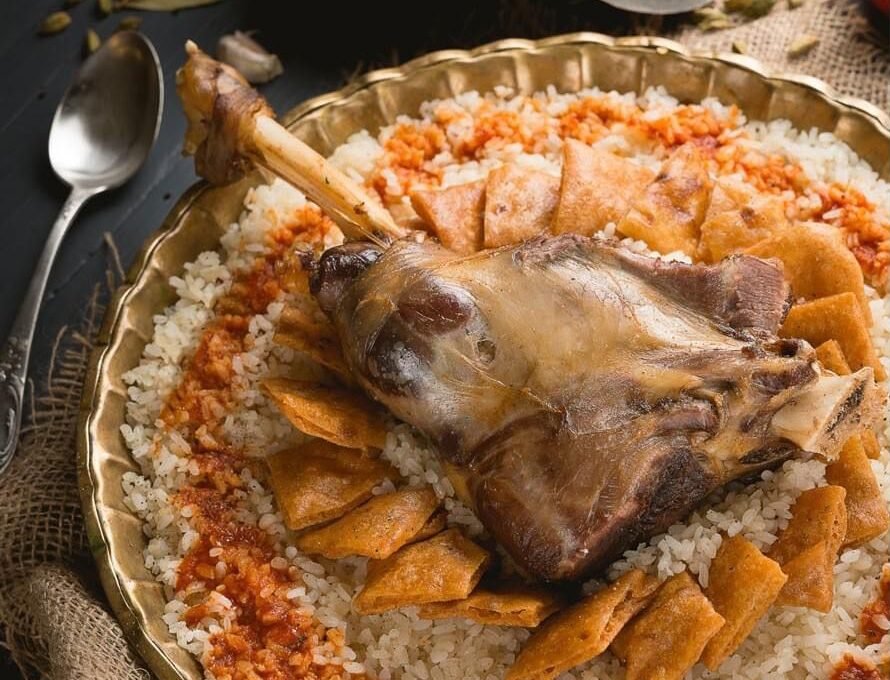
Egyptian Fattah holds a unique place in Egyptian cuisine. Not to be confused with the celebratory Fattah, this version includes bread soaked in broth, layered with rice and a garlic tomato sauce. The dish is seen as both comfort food and a festive meal.
A meal like Fattah showcases the Egyptian ability to transform simple ingredients into a comforting masterpiece. The sauce and meat options provide versatility, adjusting to preferences and available resources.
Seasonal Variations
Fattah varies with seasons:
- Winter: Heavier versions with lamb or beef.
- Summer: Lighter with chicken or vegetarian options.
These variations ensure Fattah remains a well-loved dish throughout the year.
Serving Traditions
To serve Fattah with flair:
- Family-style: Perfect for communal enjoyment.
- Garnished with Nuts: Pistachios or almonds for crunch.
These serving traditions uphold Egyptian hospitality and dining customs.
8. Hawawshi
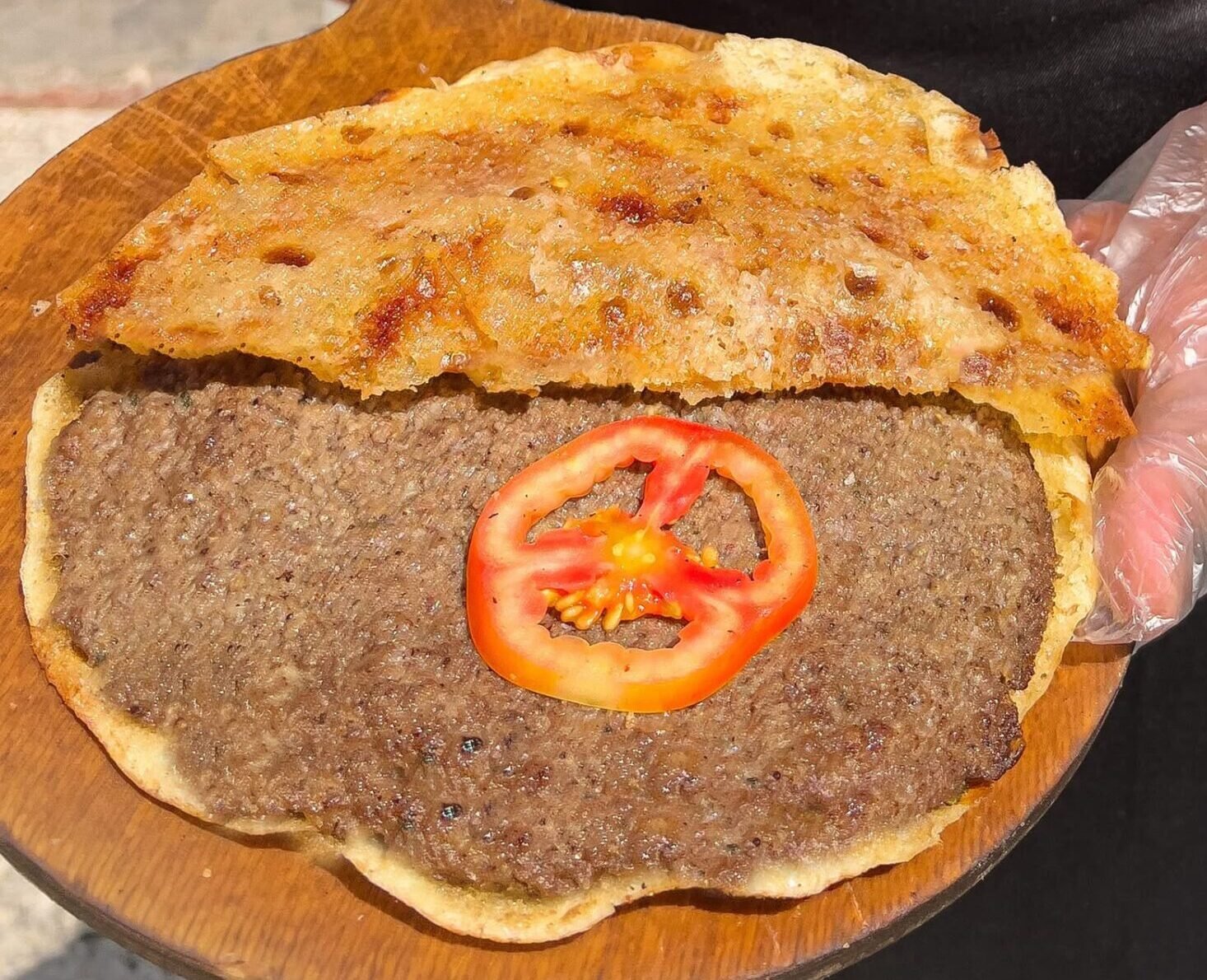
Hawawshi is Egypt’s answer to the meat pie. It comprises spiced minced meat nestled in a doughy bread exterior. This street-food favorite is beloved for its aromatic and meaty flavors.
Packed with spices and herbed meats, Hawawshi’s preparation is meticulous. Each portion is baked until crispy and golden brown. It’s then served piping hot, offering a tasty balance of spiced meat and crisp bread.
Street Food Influence
Hawawshi draws influence from Egypt’s vibrant street food culture:
- Quick and Convenient: Ideal for a meal on-the-go.
- Affordable and Flavorful: Popular among all age groups.
Its accessibility makes it a staple among Egyptians.
Popular Accompaniments
Hawawshi pairs well with:
- Pickled Vegetables: Cuts through the meat’s richness.
- Spicy Sauces: Elevate flavors with heat.
These sides enhance the dish, offering a complete culinary experience.
9. Basbousa
Basbousa is a celebrated Egyptian dessert. This moist semolina cake, soaked in sweet syrup, concludes any meal on a high note. Often flavored with rose or orange blossom water, it delivers an aromatic finale to your dining experience.
Frequently enjoyed during festive occasions, Basbousa is a testament to Egypt’s love for sugar-rich delights. Its sticky, sweet nature has made it a favorite, not only in Egypt but beyond its borders.
Dessert Overview
Basbousa offers delightful simplicity:
- Semolina Cake: Risen with yogurt or milk.
- Syrup-soaked: Often scented with citrus or floral notes.
The result is both texturally pleasing and sweetly satisfying.
Variants in Other Cultures
Similar to variations like Namoura in Lebanon and Revani in Turkey, Basbousa shares its roots across the Middle East. Each culture brings a unique twist, but Basbousa’s sweet allure remains universal. Whether in Egypt or abroad, its charm is undeniable.

Where We Take Our Guests: Cairo’s Iconic Food Spots
As a local team, our drivers know Cairo’s winding streets better than anyone. When our clients ask for the absolute most authentic and delicious experiences, here are the legendary establishments we consistently drive them to:
- For the Best Koshary: Koshary Abou Tarek in Downtown Cairo is an absolute institution. Spanning multiple floors, this bustling restaurant serves only one thing—Koshary—and they have perfected it. It is a must-visit for any tourist.
- For Legendary Shawarma: We always recommend Abo Haidar in Heliopolis. Famous across the city for its mouthwatering beef shawarma and ice-cold mango juice, it is the perfect pit stop after arriving at Cairo International Airport.
- For Ful and Falafel: Felfela (for a cozy, sit-down experience in Downtown) or Arabiata (for a classic, high-quality street-style meal) are our top picks. They consistently deliver the perfect crunch and authentic flavor profiles.
- For Authentic Grills & Hawawshi: We love taking adventurous foodies to Kebdet El Prince in Sheikh Zayed. It is wildly popular with locals, featuring an incredibly energetic atmosphere and the best kofta, liver, and hawawshi in the city. For a more relaxed, upscale grill experience, El Dahan is a fantastic alternative.
- For Traditional Sweets: No trip is complete without a visit to El Abd Patisserie in Downtown Cairo. The lines might be out the door, but their fresh basbousa, kunafa, and traditional butter cookies (kahk) are entirely worth the wait.
- For the Perfect Feteer: Fatatri El Hussein, located right in the heart of the historic Khan El Khalili market, is our go-to spot. Watching the chefs stretch and toss the dough in the air is dinner and a show all in one.
Conclusion
Egyptian dishes offer much more than just a meal—it provides deep cultural immersion. Every dish carries ancient history in its flavor profile, and every street vendor shares generations of culinary wisdom with a smile.
From dawn’s first ful medames to the evening’s final sip of mint tea, Egypt feeds both the body and the soul. The lively streets become your dining room, and fellow food lovers quickly become temporary family. So then, pack your appetite, treat your tummy, and prepare for an incredible adventure; Click HERE to book your Egyptian dishes tour right now!
Check out our other articles: