
Egypt airports’ network connects the country’s biggest cities, Red Sea resorts, Nile Valley heritage sites, and western desert gateways. For travelers, the best Egypt airport is usually the one closest to the trip’s first stop, not simply the largest or most familiar name. This guide explains the main Egypt airports, where they are most useful, and how to plan smoother Egypt airport transfers once you land.
Which Egypt airport should you fly into?
The right Egypt airport depends on your itinerary: fly into Cairo for the capital, Giza, and onward domestic connections; Hurghada or Sharm El Sheikh for Red Sea resorts; Luxor or Aswan for Nile cruises and ancient sites; and Alexandria International Airport, also widely associated with Borg El Arab, for Egypt’s Mediterranean coast. Egypt’s Ministry of Civil Aviation lists international Egypt airports including Cairo, Sharm El Sheikh, Aswan, Luxor, Hurghada, Alexandria, Assiut, Sohag, Taba, Port Said, Marsa Matrouh, Saint Catherine, Sphinx, and Capital International.
That official list is useful because the number of Egypt airports can vary depending on whether someone counts only international passenger airports, domestic airports, military airfields, or smaller regional facilities. In travel planning, it is usually more practical to focus on the airports Egypt visitors actually use for commercial flights and transfers.
Cairo International Airport is the main national gateway
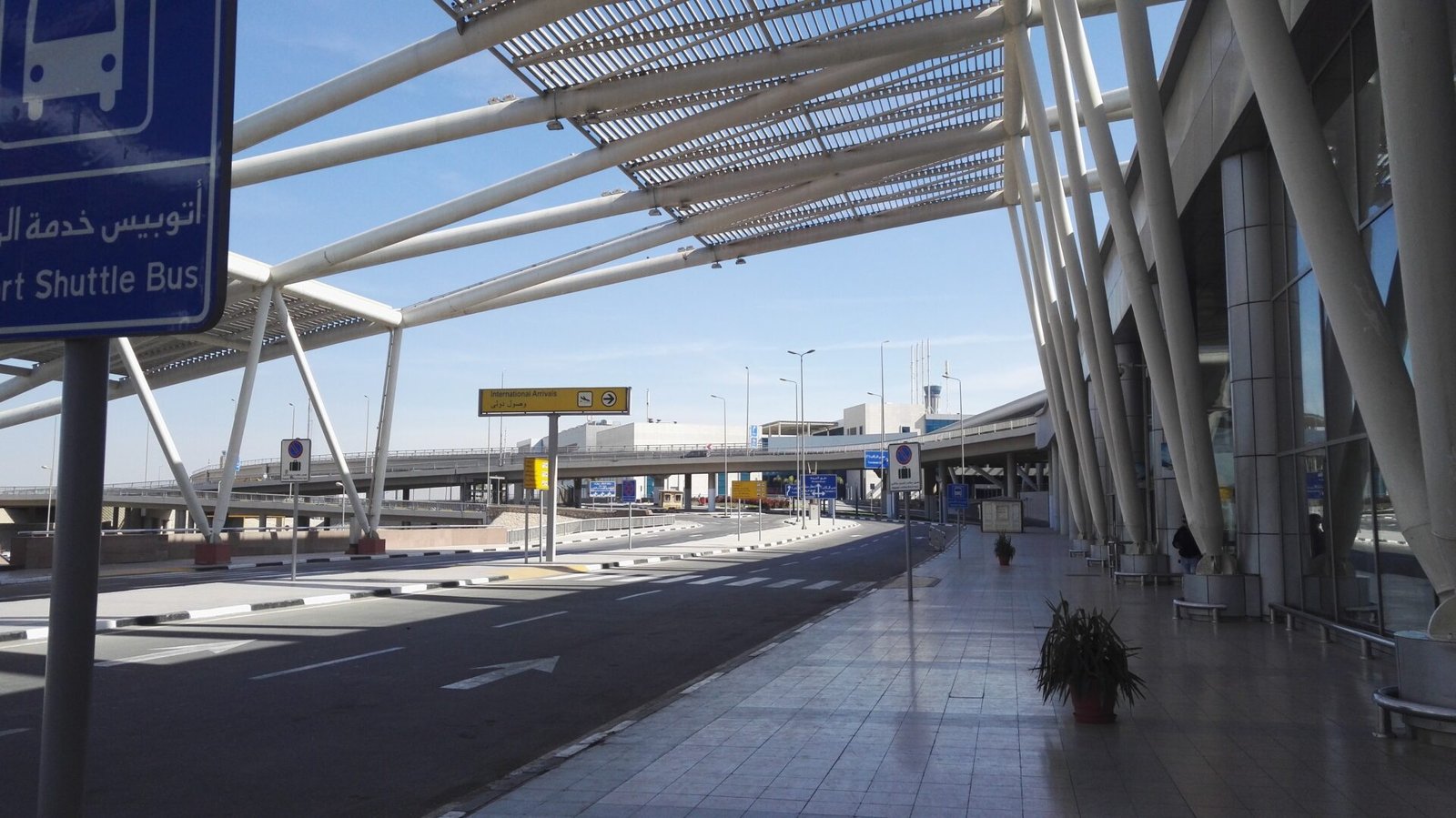
Cairo International Airport is the airport most travelers think of first, and for good reason. It serves the capital region, the Giza Pyramids area, business districts, museums, and many onward flight connections. The airport’s own passenger information shows airline activity across Terminals 1, 2, and 3, so checking your terminal before travel is an important first step.
For first-time visitors, Cairo can feel busy, especially after a long international flight. Build in time for immigration, baggage, and the drive into the city, then avoid scheduling a tight museum visit, Nile dinner, or domestic connection immediately after arrival. If you are staying near the Pyramids, note that the transfer may feel different from a transfer to central Cairo because traffic patterns and distances vary by district.
Cairo is also a common choice for multi-city trips. Many travelers land here, spend a few days in Cairo and Giza, then continue to Luxor, Aswan, Hurghada, or Sharm El Sheikh by air. If your trip includes several regions, Cairo often works best as the entry point, exit point, or connecting hub.
Red Sea airports make resort travel easier

Hurghada International Airport and Sharm El Sheikh International Airport are two of the most practical Egypt airports for beach holidays. They reduce overland travel time for visitors heading to resorts, diving centers, marinas, and coastal hotels. The Egyptian government has also discussed wider airport modernization plans, including attention to Hurghada International Airport’s operation and development, which reflects the importance of Red Sea gateways in the national airport system.
Hurghada is a natural arrival point for many stays along the western Red Sea coast, including resort areas in and around Hurghada, El Gouna, Makadi Bay, Soma Bay, and Safaga. If your hotel is south of Hurghada, confirm the driving time before you book flights, because “near Hurghada” can still mean a noticeable transfer.
Sharm El Sheikh serves the southern Sinai resort region and is especially convenient for travelers focused on beaches, diving, snorkeling, and resort stays around Sharm, Naama Bay, Sharks Bay, and nearby coastal areas. It may also be the better choice for itineraries centered on Sinai rather than mainland Egypt.
Choosing between Hurghada and Sharm El Sheikh
Both airports are strong choices for sun-and-sea trips, but they are not interchangeable for every itinerary. Before booking, compare:
- Hotel location: Choose the airport on the same side of the Red Sea whenever possible.
- Flight availability: Direct routes can make one airport more attractive even if the transfer is slightly longer.
- Trip style: Hurghada often pairs well with Luxor by road or air, while Sharm works well for Sinai-focused vacations.
- Transfer timing: Late-night arrivals are easier when you have a confirmed pickup and clear hotel address.
Nile Valley airports serve Egypt’s ancient sites
Luxor International Airport and Aswan International Airport are the most useful Egypt airports for travelers focused on temples, tombs, and Nile cruises. Luxor is commonly used for the Valley of the Kings, Karnak, Luxor Temple, and cruise departures or arrivals. Aswan is practical for Philae Temple, the High Dam area, Nubian culture experiences, and cruise itineraries that begin or end in southern Egypt.
Flying into one and out of the other can save time on a Nile itinerary. For example, a traveler might arrive in Luxor, cruise south, and depart from Aswan rather than backtracking by road. The best routing depends on cruise direction, hotel nights, and whether Abu Simbel is included.
Regional airports such as Assiut and Sohag also appear on the official international airport list, but leisure visitors tend to use them only when their itinerary has a specific Upper Egypt purpose. For most first-time heritage trips, Luxor and Aswan remain the simplest planning anchors.
What about airports in Alexandria Egypt?

Airports in Alexandria Egypt are most relevant for Mediterranean coast trips, family visits, regional business travel, and itineraries that begin or end in the north of the country. Alexandria’s current commercial gateway is commonly known as Borg El Arab International Airport, and some public-facing sources identify it as Alexandria International Airport. Air Arabia notes that Borg El Arab became Alexandria’s principal airport after traffic was transferred from the older Alexandria International Airport in December 2010.
This naming can confuse travelers, so the practical step is simple: confirm the airport code, terminal information, and pickup point with your airline or transfer provider. If someone says “Alexandria airport,” ask whether they mean Borg El Arab or another location. That small check can prevent a costly mistake on arrival day.
Alexandria airport transfers also deserve attention because the airport is outside the city center. If your accommodation is on the Corniche, near the Bibliotheca Alexandrina, or farther along the coast, arrange transport based on the exact hotel address rather than the city name alone.
Newer and supporting airports expand travel options
Sphinx International Airport and Capital International Airport are part of the broader conversation around egypt major airports because they support access to growing areas outside traditional central Cairo routes. Sphinx is particularly relevant for parts of Giza and western Cairo, while Capital International is associated with the new administrative capital region. Both are listed among Egypt’s international airports by the Ministry of Civil Aviation.
For travelers, these airports can be convenient when flight schedules, hotel locations, and transfer routes line up. They may not replace Cairo International Airport for every trip, but they can reduce unnecessary cross-city travel in the right circumstances. Always compare total journey time, not only airfare, because a cheaper ticket can lose its value if it adds a long or awkward transfer.
Other airports, including Marsa Matrouh, Taba, Saint Catherine, and Port Said, may serve more specialized routes, seasonal demand, or regional needs. If you see these options while searching, check flight frequency carefully and make sure onward transportation is available.
Simplify Your Egypt Journey with Easy Transfer 24/7
To ensure a seamless start to your Egyptian adventure, we invite you to visit our Airport Transfers Reservation page. Whether you’re landing at Cairo Airport, Alexandria Airport, or Sharm El-Sheikh Aiport, securing your airport transfer in advance allows you to skip the stress and focus on enjoying your trip.
With a variety of options available, you can choose the perfect transfer that matches your needs, from private vehicles to shared rides. Don’t leave your transportation to chance—book your airport transfer today and embark on your Egyptian journey with confidence!
Planning Egypt airport transfers with less stress
Egypt airport transfers can be straightforward when arranged in advance. The key is to match the transfer type to your arrival airport, luggage, group size, and comfort level. This matters most after long-haul flights, late arrivals, or trips to resorts located beyond the main city.
A practical transfer checklist includes:
- Confirm the airport name and code. This is especially important for Cairo-area and Alexandria-area airports.
- Share full accommodation details. Include hotel name, branch, street, district, and booking name.
- Check arrival time, not departure time. Drivers need the local landing time and flight number.
- Allow for airport formalities. Immigration, luggage, and customs can make arrival times variable.
- Decide between private and shared transfer. Private transfers are usually simpler for families, late arrivals, and multi-stop hotel routes.
- Keep offline contact details. Save your driver or provider information before the flight in case mobile data is delayed.
If you plan to use ride-hailing or taxis, make sure you understand the pickup area before leaving the terminal. At larger airports, the difference between arrival halls, car parks, and official pickup points can add confusion when you are tired.
Simple tips for choosing among Egypt airports
The best airport choice is rarely based on one factor. Look at the whole first day of your trip and work backward from where you need to sleep that night.
Use these guidelines when comparing Egypt airports:
- For Cairo, Giza, and classic first-time itineraries: Cairo International Airport is usually the broadest option.
- For western Red Sea resorts: Hurghada International Airport is often the most convenient.
- For Sinai resorts: Sharm El Sheikh International Airport is usually the logical choice.
- For Nile cruises and ancient temples: Luxor and Aswan are the key airports.
- For Mediterranean coast stays: Alexandria International Airport/Borg El Arab is the airport to check.
- For west Cairo or new development areas: Sphinx or Capital International may be worth comparing if flights are available.
Also consider your exit airport. A trip does not need to begin and end in the same city. Open-jaw routing, such as arriving in Cairo and leaving from Hurghada, can sometimes create a smoother itinerary.
A clear airport plan improves the whole trip
Egypt has a diverse airport network, and each major gateway plays a different role. Cairo International Airport is the central hub for many visitors, while Red Sea, Nile Valley, Alexandria, and newer regional airports help travelers get closer to the places they actually want to explore.
When comparing airports in Egypt, focus on route convenience, transfer time, hotel location, and your first day’s energy level. A well-chosen Egypt airport, paired with reliable airport transfers, turns arrival day from a logistical challenge into a calm start to the journey.