
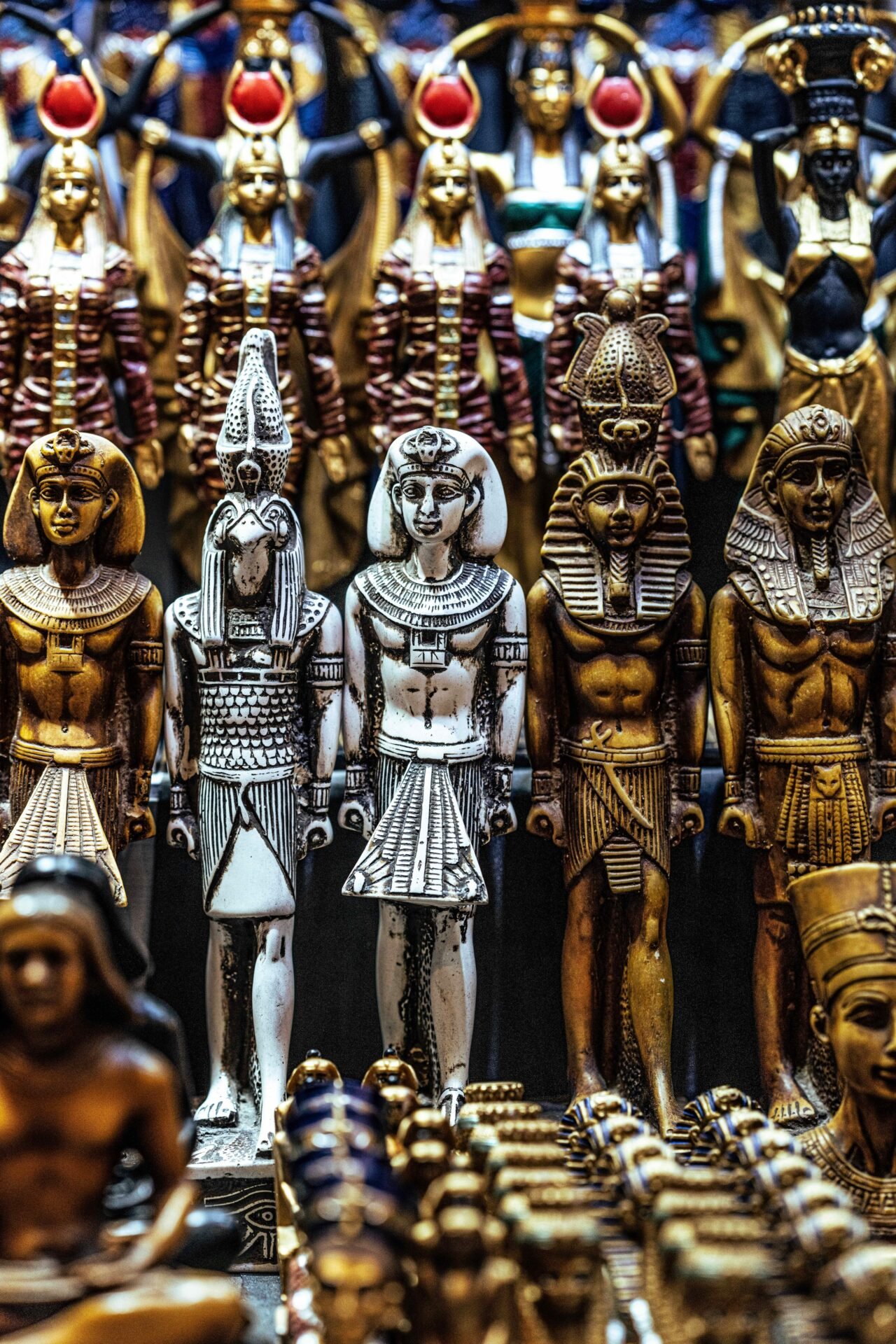
Egypt is one of those rare destinations where shopping feels like time travel: you can leave with objects inspired by pharaohs, made by modern artisans, and scented with centuries of trade routes. But with so many stalls, bazaars, and “museum-quality” claims, choosing Egyptian souvenirs that are truly worth packing (or shipping) takes a bit of know-how. This guide covers the best souvenirs to buy in Egypt, what to pay attention to for quality and authenticity, and the most practical ways to shop confidently—especially if you’re hunting Cairo gifts in the city’s famous markets.
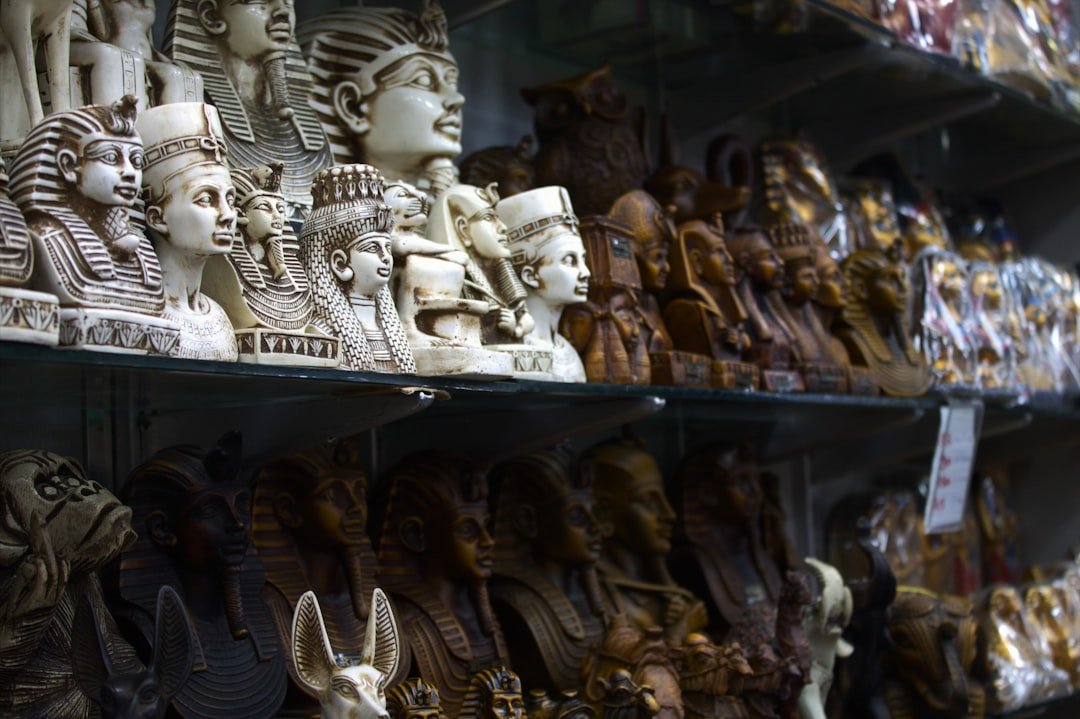
1) Handmade Papyrus Art (and how to avoid fakes)
Papyrus paintings are among the most iconic souvenirs in Egypt, but they’re also commonly imitated. Real papyrus is made from the papyrus plant and has a distinct texture and fiber pattern, while many tourist versions are printed on banana leaf paper or plain cardstock.
Handmade papyrus art: real or fake?
Use these quick checks before you buy:
- Light test: Hold it up to light; you should see irregular, woven-like fibers, not uniform paper grain.
- Texture check: Real papyrus often feels slightly textured and fibrous, not smooth like poster paper.
- Water caution: Don’t soak it, but a tiny damp corner should not release ink immediately on a hand-painted piece.
- Ask for provenance: Reputable papyrus galleries explain process and often stamp the back.
Buying tip: If a seller claims it’s “antique,” treat it as a red flag. Legitimate ancient artifacts should not be sold casually in bazaars.
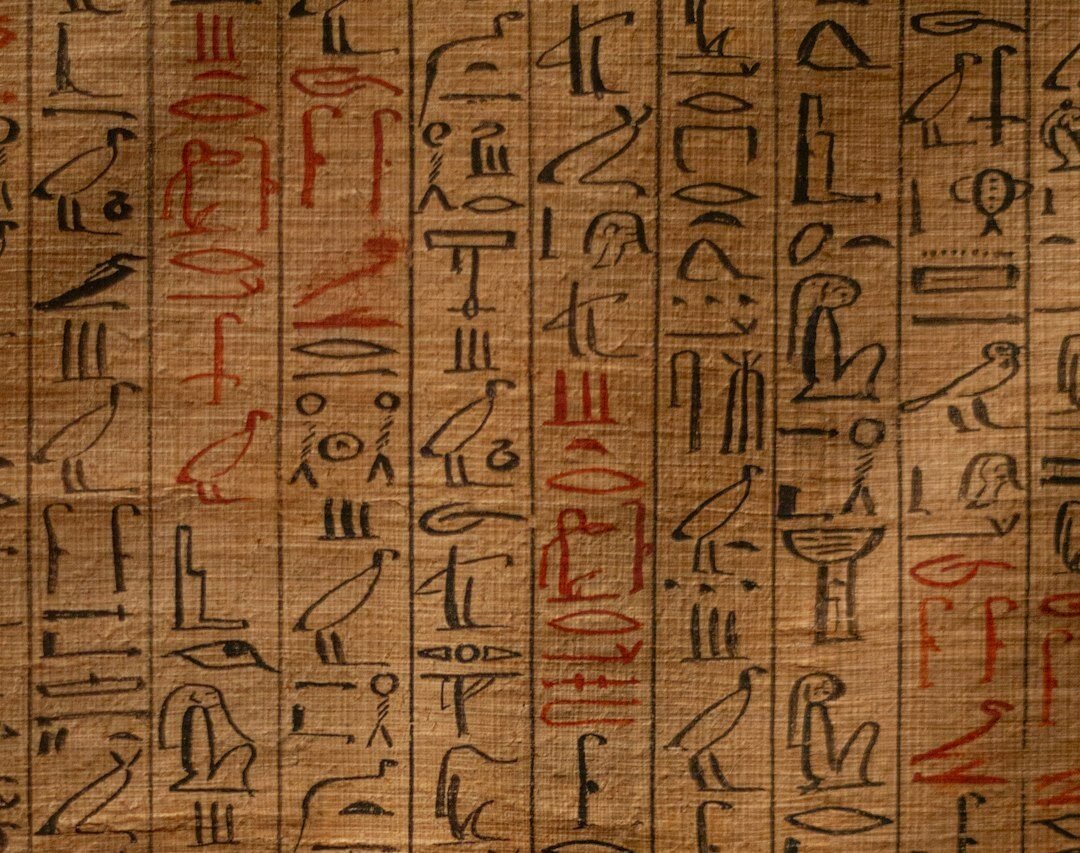
2) Alabaster Carvings (vases, pyramids, candle holders)
Alabaster looks stunning in warm light, and small pieces pack well. However, imitation stone (resin or painted plaster) is widespread—so learning how to spot fake alabaster matters.
How to spot fake alabaster
- Temperature: Real stone feels cool to the touch; resin often feels room-temperature.
- Translucency: Hold it to a flashlight—real alabaster often glows softly.
- Weight: Stone usually has heft; lightweight “alabaster” is suspicious.
- Scratch test (careful): On an unpolished base, stone won’t peel like paint.
What to buy: Small bowls, candle holders, and mini obelisks are safer (less likely to crack) than thin-lipped large vases.
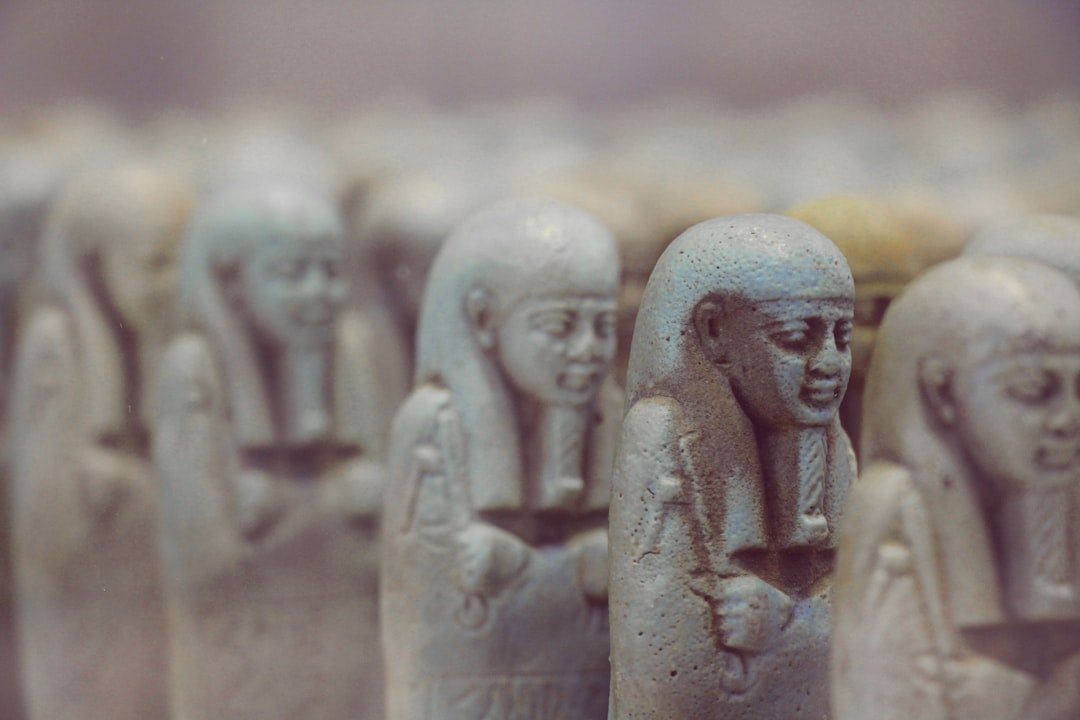
3) Cartouche Necklace (personalized, meaningful, and very “Egypt”)
A cartouche is an oval frame from ancient Egyptian royal inscriptions that enclosed a name—today, it’s a popular personalized souvenir.
Cartouche necklace meaning and price
- Meaning: It’s often marketed as “protection” and “eternity,” tied to the historical idea of safeguarding a name.
- Price: Costs vary by metal and workmanship. Expect more for silver or gold, and less for plated pieces. Engraving/hand-carving increases value.
- Quality tip: Ask whether it’s solid metal vs. plated, and check the clasp and edges for smooth finishing.
This is one of the most giftable authentic Egyptian gifts, especially when made by a local jeweler rather than mass-produced.
4) Egyptian Cotton Textiles (scarves, towels, bedding)
“Egyptian cotton” is famous, but the label alone doesn’t guarantee quality. For clothing and linens to be among the best things to buy in Egypt, you’ll want to confirm softness, weave, and durability.
Egyptian cotton quality checklist
- Feel: High-quality cotton feels smooth, not fuzzy, with minimal linting.
- Weave density: For towels/bedding, denser weaves typically last longer.
- Twist & pilling: Rub lightly—excess fuzz may mean lower-grade fibers.
- Seams & finishing: Look for straight stitching and finished edges.
- Care label clarity: Legit sellers provide washing guidance and fiber info.
Smart buy: Lightweight scarves and quality towels are easier to pack than bulky bedding, and they make excellent Cairo gifts.
5) Traditional Galabeya or Kaftan (wearable and practical)
A galabeya (traditional robe) or kaftan is comfortable for hot climates and makes a memorable souvenir you’ll actually use. Choose breathable fabrics and patterns that suit your style rather than the most “touristy” print.
Fit tips:
- Try it on and move around (shoulders and sleeve length matter).
- Check fabric thickness against light to avoid overly sheer material.
- Ask if it’s cotton, linen blend, or synthetic—synthetics can trap heat.
If you’re searching for souvenirs to buy in Egypt that blend culture with practicality, this is a top pick.
6) Spices, Tea, and Culinary Souvenirs (flavor you can pack)
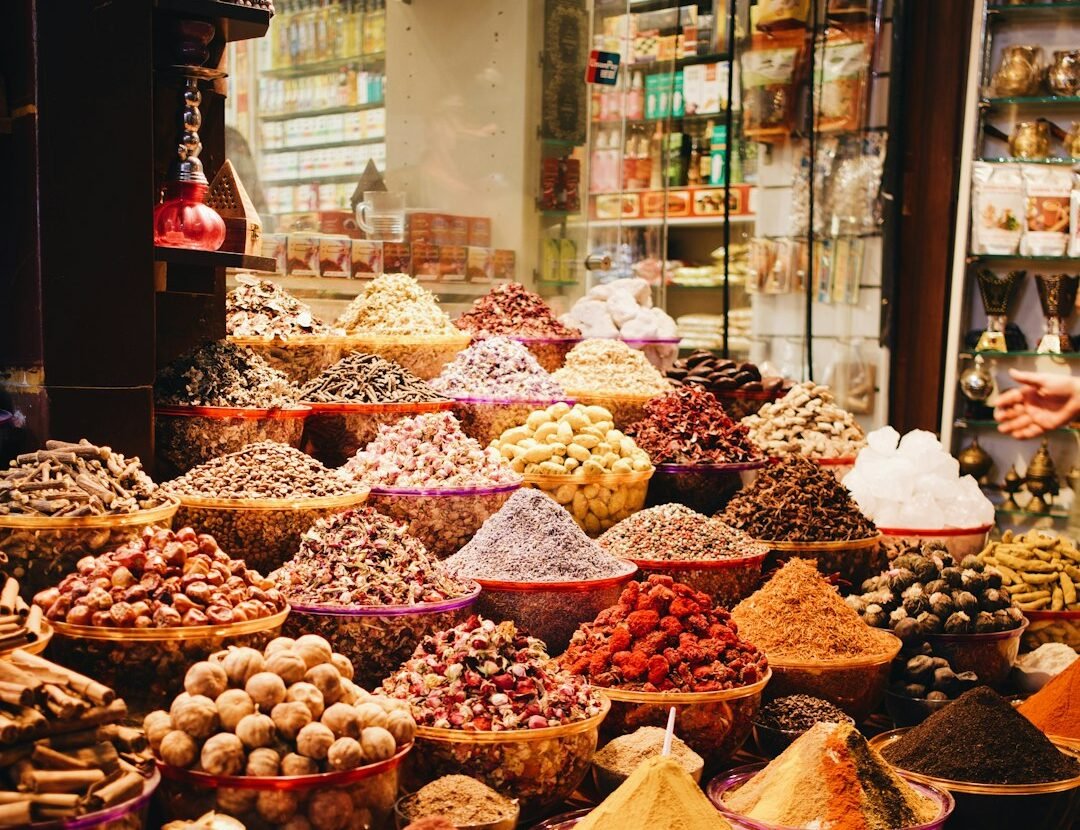
Egypt’s spice shops are sensory overload—in the best way. If you love cooking, these can be the most meaningful souvenirs because you’ll relive the trip at home.
Egyptian spices to bring home
Look for:
- Hibiscus (karkadeh) for tart tea
- Dukkah (nut-spice blend) for bread and salads
- Cumin, coriander, and dried mint for everyday use
- Ras el hanout-style blends (ask what’s inside)
Buying advice:
- Buy from shops that store spices in covered containers.
- Smell before buying; fresh spices should be aromatic, not dusty.
- Request sealed bags for easier customs inspection.
Food items can be among the best souvenirs to buy in Egypt, but confirm your home country’s import rules before stocking up.
7) Perfume Oils and Incense (small, luxurious, easy gifts)
Perfume oils (often sold in ornate bottles) are popular, but quality varies widely. Go for shops that let you test on skin and explain concentration.
How to choose well:
- Test and wait 10–15 minutes for dry-down.
- Ask if it’s pure oil or diluted.
- Buy smaller bottles first if you’re unsure.
These make great authentic Egyptian gifts, especially because they pack easily and feel special without taking suitcase space.
8) Copper, Brass, and Lanterns (statement pieces—if you can carry them)
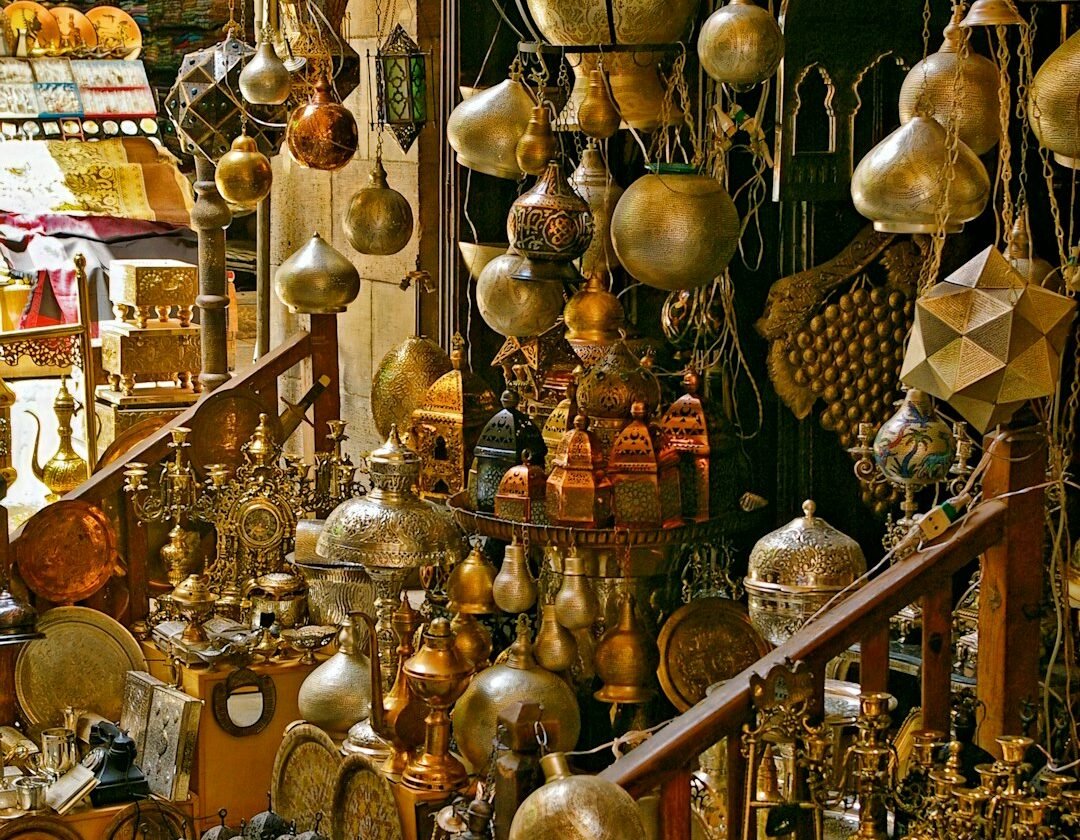
Egyptian metalwork—engraved trays, coffee sets, and lanterns—can be spectacular and reflects long-standing local crafts traditions.
What to check:
- Engraving depth and consistency (handwork usually has slight variation)
- Hinges and weld points (lantern doors should open smoothly)
- Sharp edges (cheap items can be poorly finished)
Practical tip: If you buy a lantern, ask the seller to protect the glass and provide a sturdy box—these are easy to dent in transit.
9) Leather Goods (bags, belts, notebooks)
Leather markets offer everything from sandals to weekender bags. The best pieces have solid stitching and even dye, and they won’t smell overwhelmingly chemical.
Quick quality checks:
- Stitching: tight, straight, no loose ends
- Edges: finished and smooth, not fraying
- Hardware: zippers glide, buckles feel sturdy
- Smell: genuine leather has a natural scent; harsh chemical smell can signal poor tanning
For travelers building a list of souvenirs to buy in Egypt, leather is a practical category—just be selective.
10) Mini Statues and Pyramid Replicas (choose modern crafts, not “antiques”)
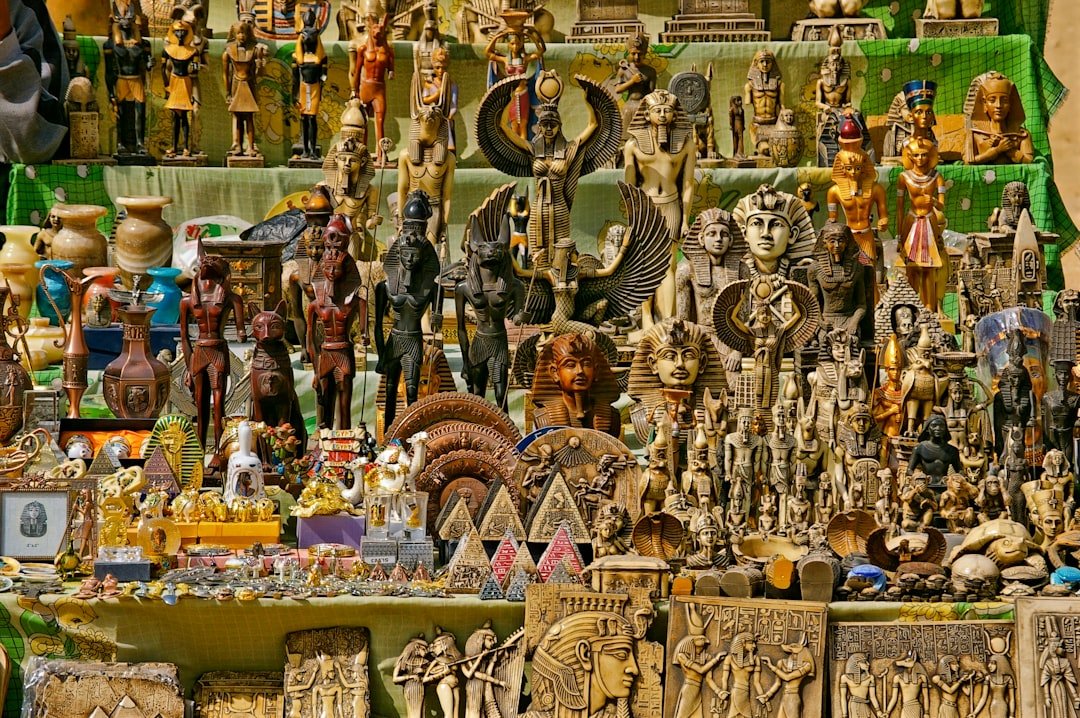
Small statues of gods, pharaohs, cats, and pyramids are classic. The key is to buy them as modern decorative crafts, not anything marketed as “excavated” or historically authentic.
Best approach:
- Look for clean casting, stable bases, and good paint/finish.
- Avoid sellers pushing “real ancient artifacts” narratives—this crosses ethical and legal lines.
- If you want museum-level replicas, shop at reputable museum stores when possible.
These are among the most recognizable Egyptian souvenirs, and they’re perfect if you want something unmistakably Egypt-themed.
Where to shop: Cairo, bazaars, and beyond
If you’re wondering where to buy souvenirs in Cairo, you have several good options depending on your comfort level and desired experience.
Khan el-Khalili market shopping guide
Khan el-Khalili is the legendary bazaar experience: lanterns, spices, jewelry, textiles, and antiques-style shops. It’s ideal for browsing and bargaining, but quality varies stall to stall.
Tips for safe souvenir shopping in Egypt (especially in busy markets):
- Keep valuables secure and carry small bills.
- Don’t feel pressured—walking away is normal.
- Compare similar items at 2–3 stalls before buying.
- Ask for packaging if your item is fragile.
Skip the Hassle and Book with Us
Turn your shopping day into a stress-free experience with Easy Transfer 24/7. Whether you’re looking for the best local markets or hidden shopping gems, our professional team will handle all the transportation and planning, allowing you to focus on enjoying your time and finding great deals.
Simply contact us through our Contact Us page, tell us your preferences, and we’ll create a comfortable and convenient shopping tour tailored to your needs. Let us make your shopping experience in Egypt smooth and memorable.
Pricing, bargaining, and value: what to expect
Shopping culture includes negotiation, especially in bazaars. If you’re anxious about it, use a simple system rather than improvising.
Haggling tips in Egyptian bazaars
- Start friendly: greet, ask the price, and show interest—but not urgency.
- Ask for a better price politely; don’t insult the item.
- Bundle items to negotiate a discount.
- Know your walk-away number before you counter.
- Cash can sometimes help you get the final reduction.
Egypt souvenir prices compared (how to judge a fair deal)
Prices swing based on:
- Material (real silver vs plated, stone vs resin)
- Craftsmanship (handmade vs factory)
- Location (tourist hotspots often higher)
- Your negotiation comfort and language barrier
The “right” price is usually what feels fair for the workmanship and what you’re happy paying without regret. When in doubt, prioritize quality over the cheapest deal.
Souvenirs to avoid in Egypt (or approach with caution)
A great trip can be soured by buying something that breaks, is misleading, or causes issues at customs.
Souvenirs to avoid in Egypt
- Anything claimed to be a real “antique” or excavated object (ancient artifacts should not be casually traded)
- Very cheap “alabaster” that feels like plastic (see how to spot fake alabaster above)
- Papyrus “paintings” that are clearly mass-printed but sold as handmade (see handmade papyrus art real or fake section)
- Unlabeled cosmetics or oils sold without clear ingredients
- Fragile glass items without proper packaging
This isn’t about avoiding fun purchases—it’s about avoiding the most common disappointment categories.
Airport shopping: convenient, limited, sometimes worth it
If you ran out of time in town, duty free in Cairo airport can cover basics like fragrances, some packaged foods, and giftable items. The trade-off: you’ll miss the variety and the romance of market shopping, and prices may not beat a well-negotiated bazaar deal for crafts.
Best airport buys:
- Packaged consumables (where labeling helps)
- Fragrance sets (if offered)
- Small gifts when you need convenience over selection
Packing, shipping, and getting it home safely
Big lantern? Delicate alabaster? You still have options.
Shipping souvenirs from Egypt
- Ask the shop if they ship internationally and what carrier they use.
- Get a written receipt and clear item description.
- Confirm packaging standards (bubble wrap, double boxing for fragile goods).
- Photograph the item before it leaves the shop.
For high-value items (jewelry, art), consider carrying them with you rather than shipping.
Quick takeaway: build a “smart souvenir list”
If you want the best mix of beauty, authenticity, and practicality, focus on:
- Papyrus art (verified)
- Alabaster (real stone, not resin)
- A cartouche necklace (quality metalwork)
- Egyptian cotton (checked properly)
- Spices and perfume oils (sealed and tested)
Egypt rewards curious shoppers—especially those who take a minute to inspect materials, compare options, and buy with intention. With these picks and tips, you’ll bring home souvenirs to buy in Egypt that feel meaningful, last longer, and tell a real story.