
Ancient Egypt captivates the imagination like few other civilizations. Its mysteries have intrigued scholars and adventurers for centuries.
This ancient land, with its rich history, offers endless stories to explore. From the majestic pyramids to the enigmatic Sphinx, Egypt’s monuments stand as testaments to its grandeur.
The civilization thrived along the Nile River, which was its lifeline. The river’s fertile banks supported agriculture, enabling a flourishing society.
Pharaohs ruled as divine kings, their power absolute and their influence vast. They were central to Egyptian life, both politically and spiritually.
Religion played a crucial role in shaping Egyptian culture. The pantheon of gods and goddesses influenced every aspect of life.
The afterlife was a significant focus, leading to elaborate burial practices. Mummification and tombs were designed to ensure a safe journey to the next world.
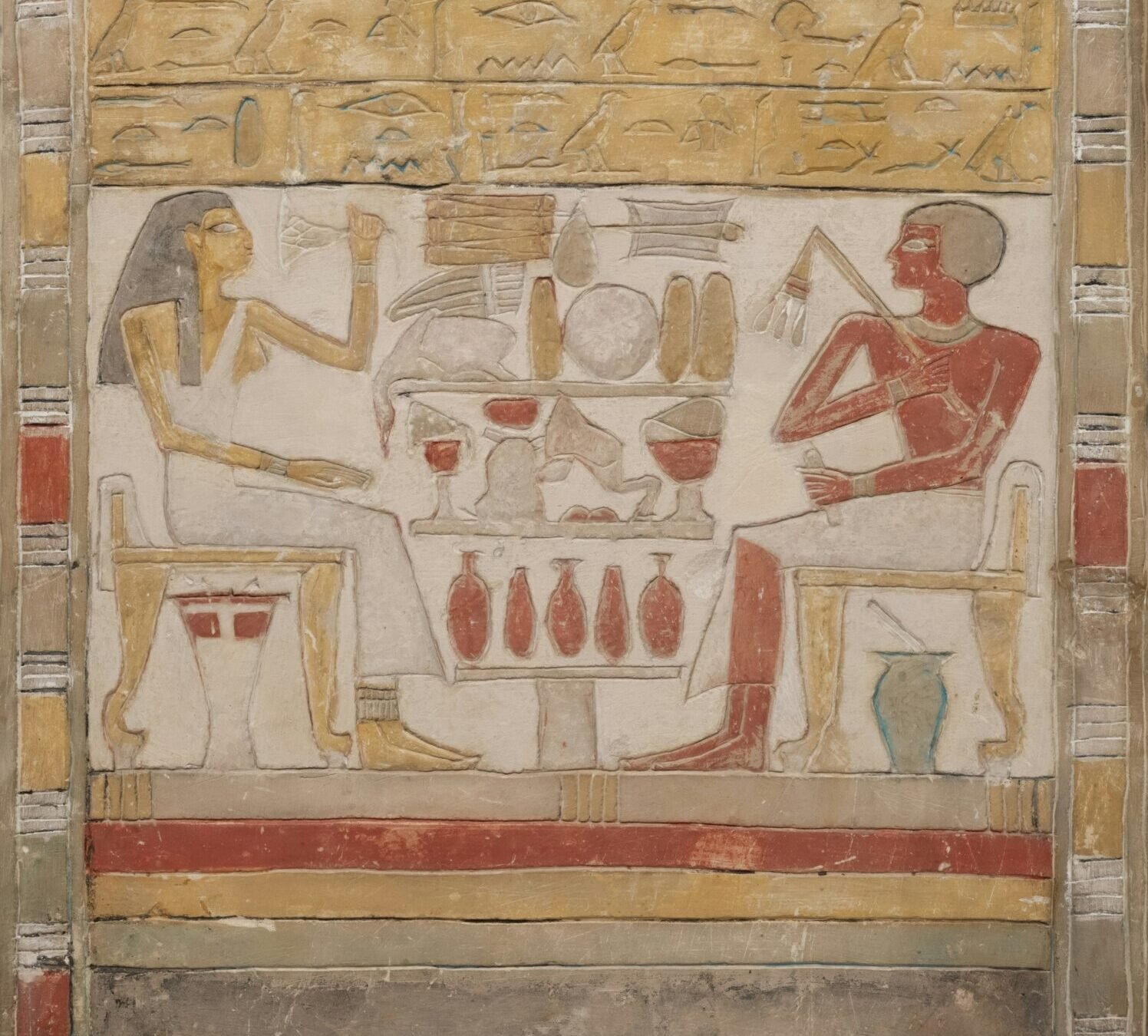
Art and architecture were deeply symbolic, reflecting religious beliefs and societal values. Hieroglyphics, the writing system, recorded history and conveyed complex ideas.
Egyptians made remarkable advances in various fields, including mathematics, medicine, and engineering. Their achievements laid the groundwork for future civilizations.
Today, the legacy of ancient Egypt continues to inspire and fascinate. Its enduring mysteries invite us to delve deeper into its storied past. 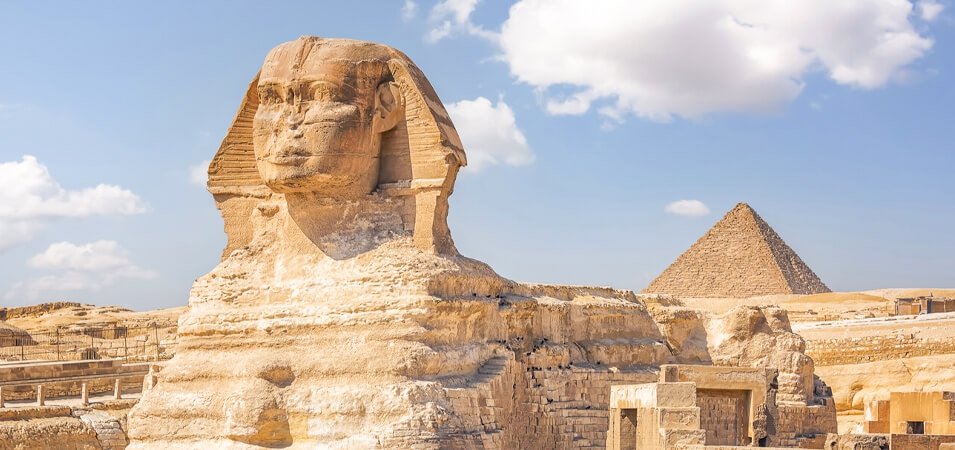
The Birth of Ancient Egypt: Geography and the Nile
The geography of ancient Egypt was crucial in shaping its civilization. Nestled in the northeastern corner of Africa, it was a land of contrasts. Arid deserts flanked the fertile Nile River, creating a natural division.
The Nile was the heartbeat of Egypt, stretching over 4,000 miles. Its annual flooding deposited rich silt, essential for agriculture. Without the Nile, Egypt’s development would have been impossible.
Settlements sprang up along the riverbank, forming the cradle of civilization. These early communities relied on the Nile for sustenance, trade, and transportation. The river also served as a formidable barrier against invaders.
Agriculture was at the heart of Egyptian life. The people grew wheat, barley, and flax, using simple tools. The Nile’s predictable flooding dictated the farming calendar.
The fertile land supported a growing population, fostering urban growth. Cities like Memphis and Thebes emerged as cultural and political centers. Social hierarchy became evident, with pharaohs at the pinnacle.
The river’s significance transcended the physical, permeating Egyptian culture and religion. The annual flood was seen as a divine blessing, reflected in their mythology.
Overall, the Nile River was the foundation upon which ancient Egyptian civilization flourished. It shaped everything from agriculture to belief systems, marking the start of a remarkable era.
-
- Key features of the Nile:
-
- Source of water and fertile soil
-
- Facilitator of trade and communication
-
- Defensive barrier against enemies
-
- Key features of the Nile:
Society and Daily Life: The People of Ancient Egypt
Ancient Egyptian society was structured and hierarchical, deeply influenced by the divine right of its rulers. The pharaoh, regarded as a living god, stood at the top. Below him, a complex society thrived, each level interlinked yet distinct.
Everyday life in Egypt was a blend of simplicity and grand tradition. Men and women worked together to sustain the community, most as farmers or artisans. Farming was vital; without it, the rich tapestry of Egyptian life wouldn’t have existed.
Social mobility was limited, with most individuals inheriting their parents’ positions. However, a few could rise through ranks, often as scribes or skilled artisans. Education, though limited, was the pathway to these opportunities.
Religion played an integral role in daily life, intertwining with every aspect of society. Egyptians filled their days with rituals to honor gods, ensuring balance and prosperity. These practices were vital, believed to maintain order and harmony in the world.
Housing varied greatly across classes. Simple mud-brick homes sheltered farmers, while noble estates boasted decorated walls and gardens. Yet even the humblest abodes revealed ingenuity with their cool, shaded interiors.
-
- Daily Life Aspects:
-
- Farming, crafting, and trade
-
- Community and family roles
-
- Religious rituals and festivals
-
- Daily Life Aspects:
Food was simple yet nourishing, consisting mainly of bread, beer, fish, and vegetables. Feasts were special occasions, filled with roasted meats and sweet delicacies, celebrating life’s milestones and festivals.
Clothing was straightforward, often made of linen to combat the heat. Both genders adorned themselves with jewelry, reflecting wealth and artistic skill. Cosmetics and perfumes were widely used, embodying beauty and hygiene.
Pharaohs and Power: Rulers of the Nile
Pharaohs reigned as the divine rulers of ancient Egypt, consolidating both political and spiritual power in their hands. They were seen as gods on earth, intermediaries between the deities and people. This dual role granted them absolute authority, reflected in their grand monuments and expansive projects.
Each pharaoh’s reign marked new chapters in Egypt’s legacy. Their responsibilities were vast, extending from ensuring the Nile’s bounty to upholding Ma’at — the cosmic order of truth and balance. These rulers were the stewards of their nation’s fate.
The pharaoh’s power was evident in the architecture they commissioned. The pyramids, Sphinx, and grand temples stand testament to their enduring legacy. These constructions were not only monumental but symbolic of eternal life and divine protection.
Succession often dictated the course of Egyptian politics. Dynastic struggles and power shifts sometimes sparked civil unrest and interregnums, affecting the kingdom’s stability. Despite this, the institution of the pharaoh remained paramount.
Pharaohs adopted grand titles to signify their divine lineage and earthly responsibilities. Names like “Lord of the Two Lands” and “High Priest of Every Temple” underscored their comprehensive dominion. This reinforced their image as divine and earthly rulers.
-
- Pharaohs’ Roles:
-
- Spiritual leader
-
- Political authority
-
- Military commander
-
- Pharaohs’ Roles:
Many pharaohs are remembered for their lasting impact, such as Ramses II for his extensive building projects and military prowess. Cleopatra VII, known for her intellect and political acumen, was the last pharaoh, representing the end of an era in Egyptian history.
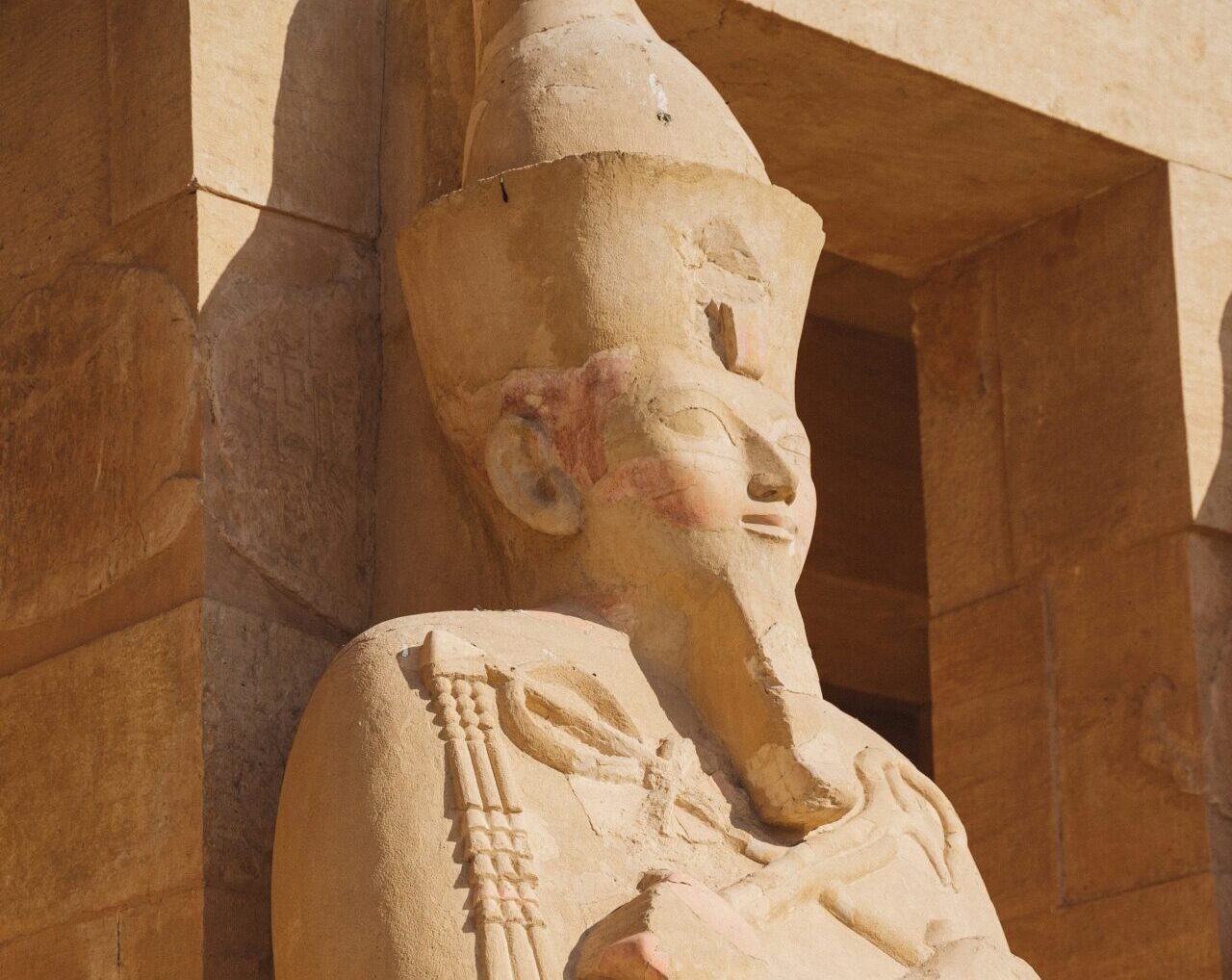
Pharaohs’ lives were steeped in grandeur and ritual, with every aspect reflecting their supreme status. From lavish celebrations to intricate burials, their existence was a tapestry of tradition, woven with threads of power and mystique.
Religion and Mythology: Gods, Goddesses, and the Afterlife
Religion seeped into every facet of ancient Egyptian life, shaping its culture and worldview. The Egyptians were polytheistic, worshiping a vast pantheon of gods and goddesses. These deities governed every aspect of the natural and supernatural world.
Gods like Ra, the sun god, and Osiris, the god of the afterlife, held central places in the religious hierarchy. Each deity had specific powers, influencing events from the flooding of the Nile to human destiny.
The temples dedicated to these gods were both spiritual centers and symbols of pharaonic power. Priests performed daily rituals, offerings, and ceremonies to honor and appease the divine entities. These practices ensured balance and harmony in the world.
Mythology played a crucial role in explaining the inexplicable. Myths of creation, tales of heroism, and stories of gods’ interactions offered explanations for life’s mysteries. They also provided moral and ethical guidance through allegorical lessons.
The concept of the afterlife was central, profoundly influencing Egyptian thought and practice. They believed death was a transition to a new realm. To secure a place in this afterlife, they followed detailed funerary practices.
Mummification was a key part of this journey, preserving bodies for eternity. The dead were equipped with possessions, amulets, and texts like the Book of the Dead for protection and guidance. These preparations ensured a successful passage.
-
- Central Elements of Egyptian Religion:
-
- Polytheism with a rich pantheon
-
- Rituals and temple worship
-
- Emphasis on the afterlife
-
- Central Elements of Egyptian Religion:
Religious beliefs influenced Egyptian art and architecture, embedding religious symbols in their creations. The pyramids, tombs, and temples were designed with the spiritual journey in mind, aligning with celestial patterns and mythological motifs.
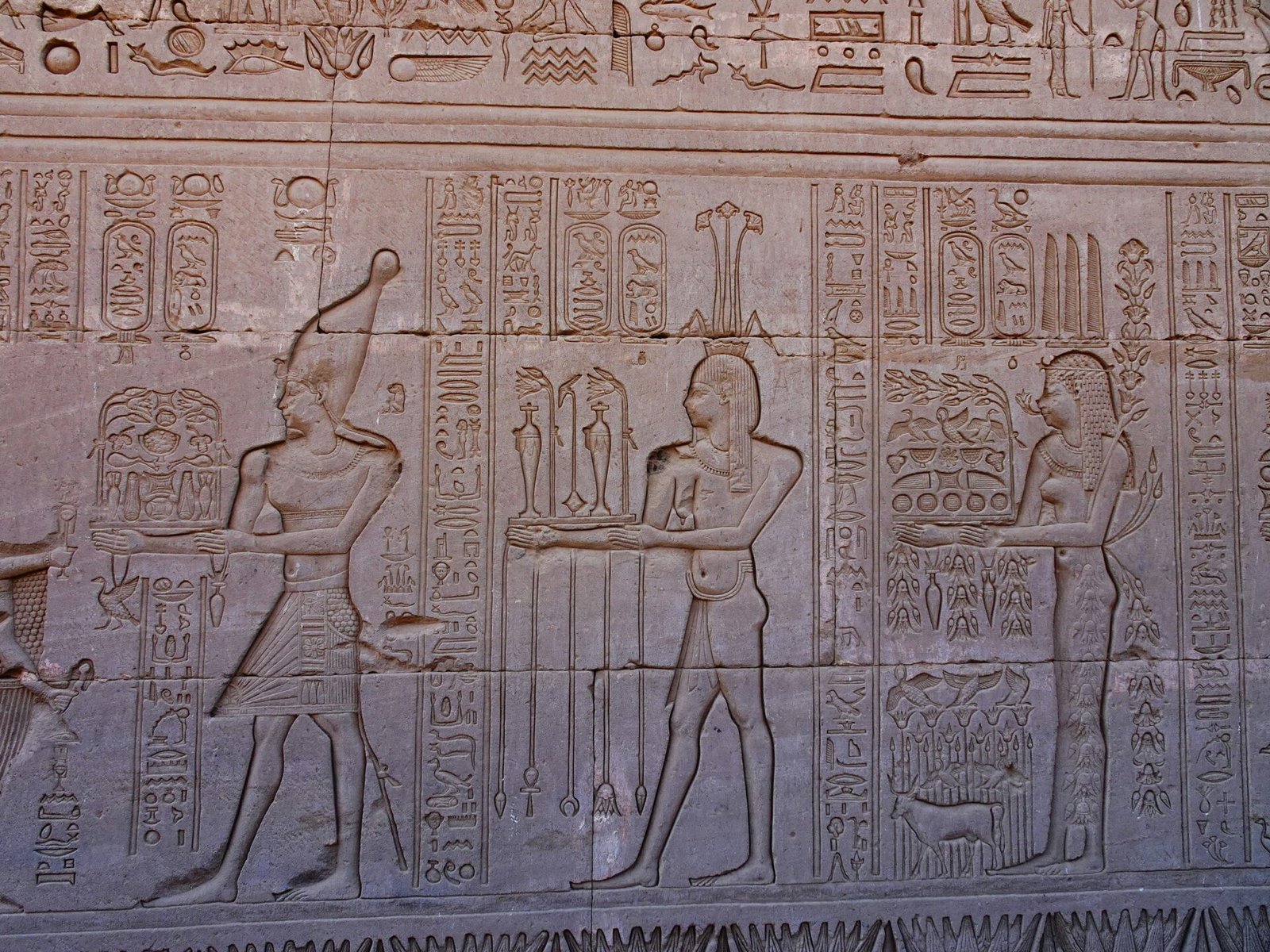
The interplay of religion and mythology formed the backbone of ancient Egyptian civilization. It offered a comprehensive framework for understanding both the visible world and the realms beyond. This sacred connection to their gods and the afterlife provided meaning and order to their lives, immortalizing their beliefs in stone, story, and ritual.
Art, Architecture, and Symbolism: The Legacy in Stone and Paint
Ancient Egypt’s art and architecture are iconic and timeless. These expressions were not mere aesthetic pursuits; they were windows to understanding Egyptian culture and beliefs.
The grandeur of the pyramids, like the Great Pyramid of Giza, testifies to advanced architectural prowess. Each stone structure was carefully constructed, showcasing the Egyptians’ expertise in mathematics and engineering.
Temples, such as Karnak and Luxor, were not merely places of worship. They were architectural marvels, intricately designed to honor gods and pharaohs. Columns with hieroglyphics and carvings told stories of deities and human endeavors.
Egyptian art is characterized by distinct conventions that reflect cultural and spiritual values. Figures were portrayed with a combination of profile and frontal perspectives, creating unique stylizations.
Symbolism was a vital component. For instance, the ankh represented life, while the scarab symbolized rebirth. Egyptian artists infused their work with meaning, linking art to religious and historical contexts.
-
- Features of Egyptian Art and Architecture:
-
- Monumental structures, including pyramids and temples
-
- Distinct artistic styles and symbolism
-
- Thematic focus on religion and royalty
-
- Features of Egyptian Art and Architecture:
Frescoes and reliefs adorned the walls of tombs, capturing scenes of daily life, mythology, and the afterlife. These images served both decorative and communicative purposes, preserving narratives for future generations.
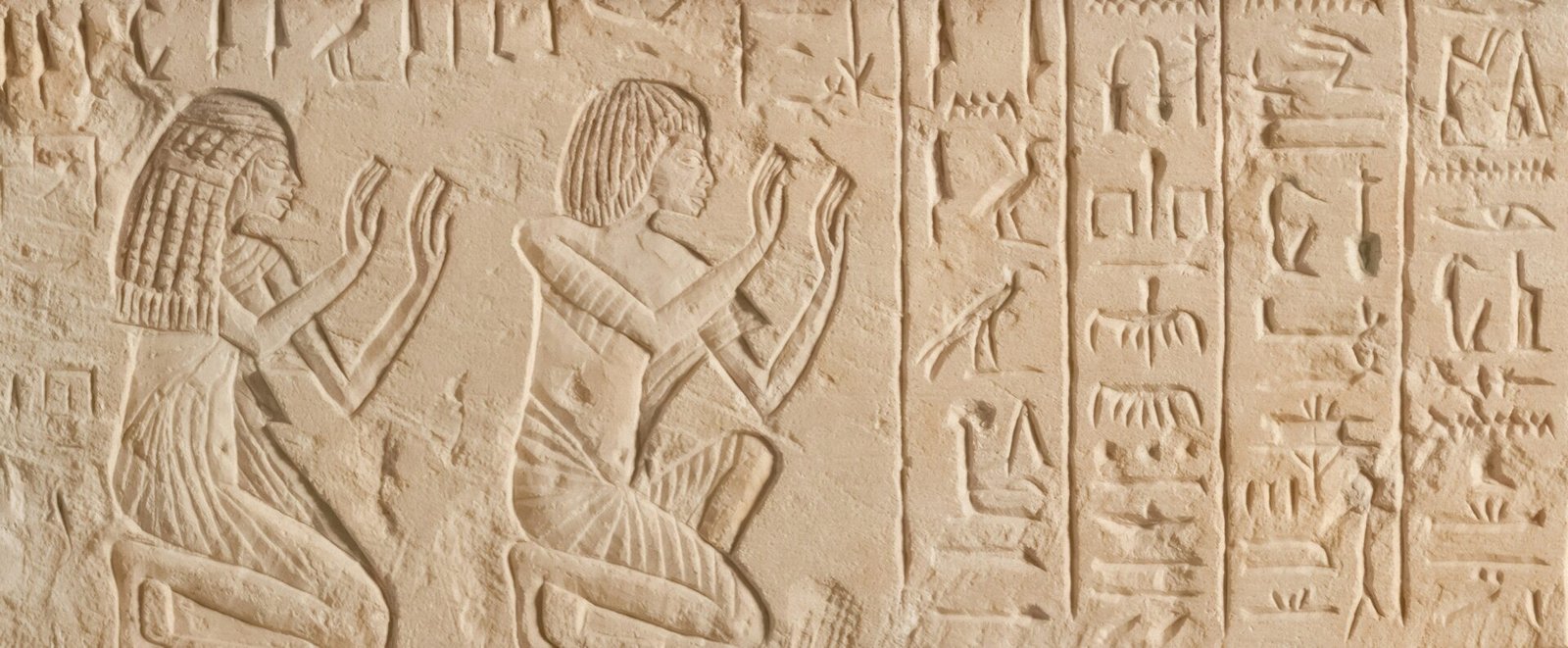
Hieroglyphics, often part of these artistic landscapes, revealed the civilization’s history and worldview. They documented achievements and told stories, linking the people to their gods and pharaohs.
The Sphinx, with its enigmatic gaze, stands as a testament to Egypt’s artistic ambition. Carved from limestone, it watches over Giza, mystifying observers with its blend of human and animal features.
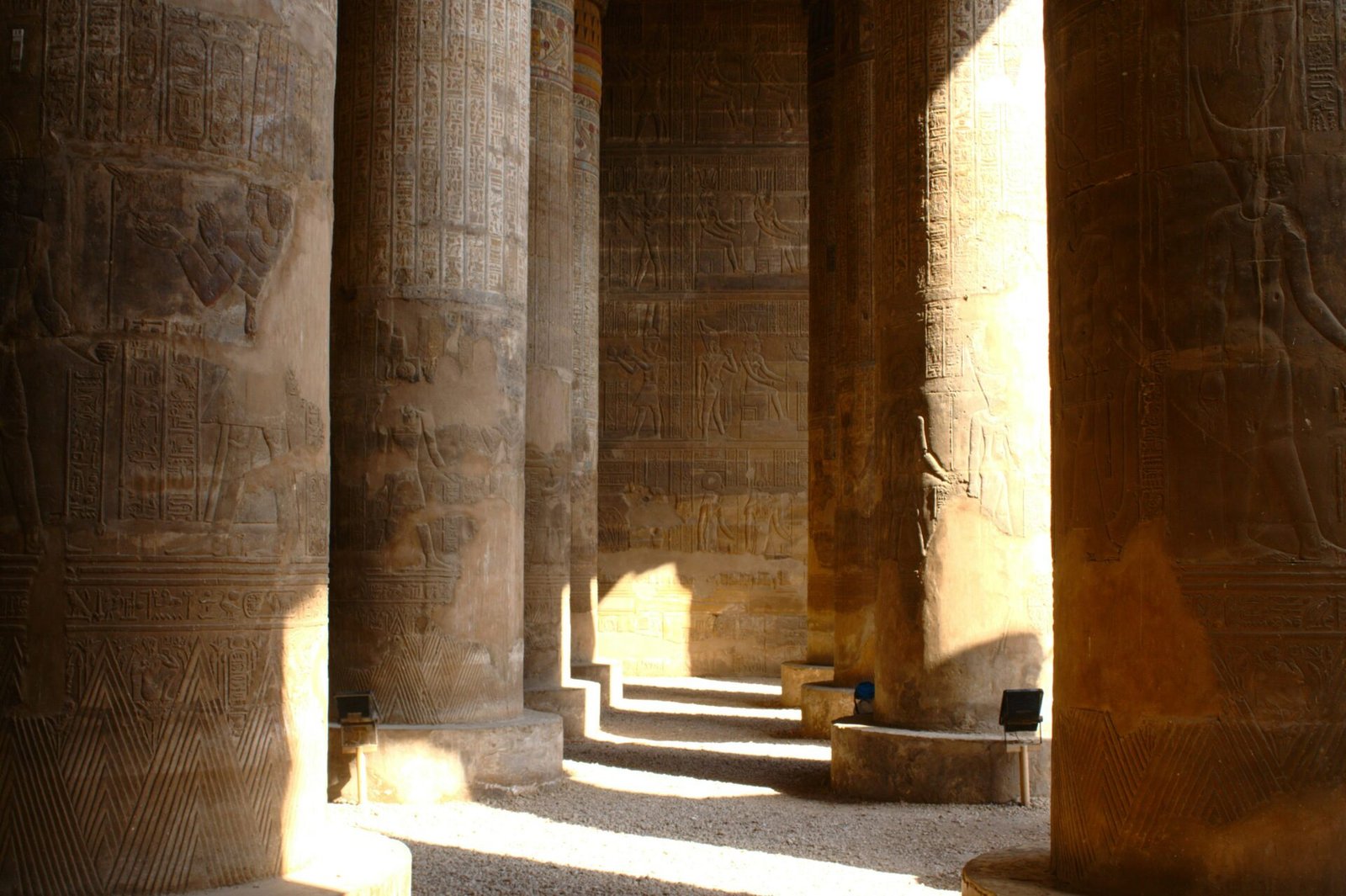
Through these enduring symbols of their ingenuity, the ancient Egyptians left an indelible mark on history. Their art and architecture not only celebrated their gods and leaders but also communicated profound truths about life, death, and the universe. Even today, the legacy of their stone and paint fascinates and inspires people around the world, continuing to unveil the mysteries of this extraordinary civilization.
Writing and Knowledge: Hieroglyphics, Literature, and Science
The ancient Egyptians were pioneering record keepers. Their writing system, hieroglyphics, is one of the earliest forms known to humanity. This complex system used over 700 symbols, each representing sounds or meanings.
Hieroglyphics were often etched into stone or painted on papyrus, a paper-like material. This innovation in writing allowed the Egyptians to document their history and culture meticulously. But hieroglyphics wasn’t the only script; hieratic, a simpler version, was used for everyday transactions.
Literature in ancient Egypt extended beyond religious texts. It included poetry, tales, and treatises on medicine. The Book of the Dead is perhaps the most famous, offering spells and guides for the afterlife.
-
- Key Aspects of Egyptian Writing and Literature:
-
- Complex hieroglyphic writing system
-
- Variety of genres, from religious texts to tales
-
- Use of papyrus for recording information
-
- Key Aspects of Egyptian Writing and Literature:
Egyptian scholars made significant strides in science and mathematics. They devised a calendar based on the lunar and solar cycles. This innovation was crucial for agriculture, guiding farmers in planting and harvesting by predicting the Nile’s flood.
Medical practitioners in Egypt demonstrated advanced knowledge, performing surgeries and using herbal remedies. Preserved papyrus texts reveal insights into their medical practices, which included treatments for various ailments.
Mathematics played a crucial role in architecture, ensuring the precise alignment and construction of monumental structures. This knowledge was essential for building pyramids with such incredible precision.
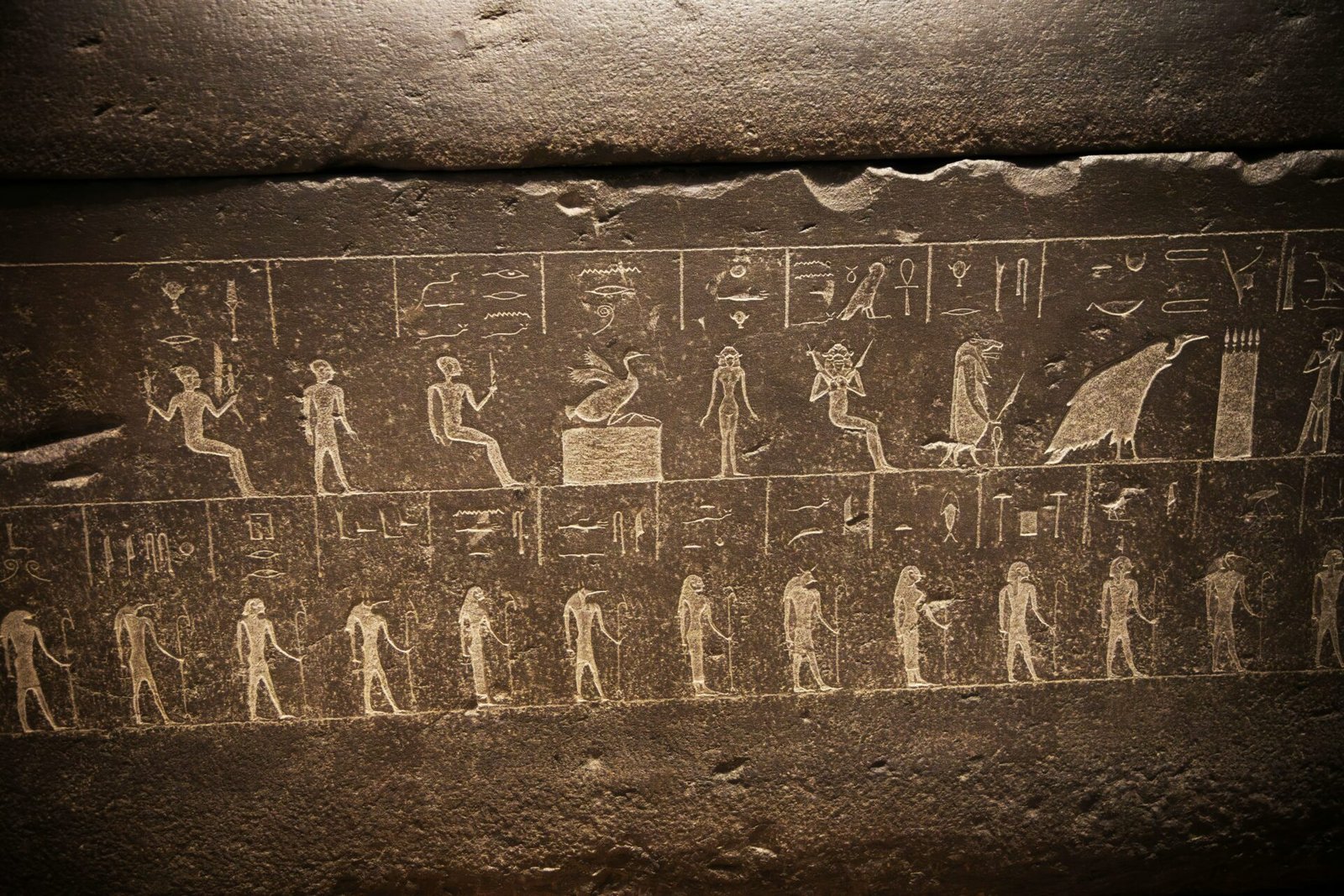
Astronomy was another field where Egyptians excelled. They studied celestial movements to align their monuments with the stars. This practice reflected both their scientific curiosity and religious beliefs. Through hieroglyphics, literature, and scientific pursuits, the Egyptians laid foundations that influenced subsequent civilizations. Their legacy of knowledge endures, showcasing their intellectual prowess and the sophistication of their culture. Even today, the mysteries of their scripts and scholarly achievements continue to intrigue researchers and history enthusiasts worldwide.
Daily Life and Culture: Food, Clothing, and Customs
Daily life in ancient Egypt was rich with tradition and deeply connected to the Nile. The river’s bountiful resources supported farming, fishing, and transportation, playing a pivotal role in everyday life. Agriculture was central to their food supply.
Ancient Egyptians mainly consumed bread and beer. Bread was a staple, made from emmer wheat, while beer, brewed from barley, was a common beverage. Their diet also included vegetables and fruits, such as onions, leeks, dates, and figs, adding variety.
Meat and poultry were reserved for the wealthy, often appearing during special occasions. Fish from the Nile was widely available, providing a consistent source of protein for many. Eating habits were influenced by class, with the rich enjoying more diverse diets.
Clothing in ancient Egypt was practical, suiting the hot climate. Most people wore garments made from linen, a lightweight and breathable fabric. Men typically donned kilts, while women wore simple sheath dresses.
-
- Distinct Features of Egyptian Dress:
-
- Linen fabric for clothing
-
- Gender-specific attire
-
- Jewelry as a common accessory
-
- Distinct Features of Egyptian Dress:
Accessories played a significant role, with both men and women wearing jewelry made from gold and semi-precious stones. Makeup was prevalent, not only for beauty but also for protection against the harsh sun. Kohl-lined eyes were a common feature.
Cultural practices and customs included music, dance, and festivals. Religious ceremonies often featured music and dance as offerings to the gods. These events provided opportunities for social gatherings and communal enjoyment.
Social customs revolved around family and religion. Families often lived together in close-knit households, sharing responsibilities and supporting one another. Religion permeated daily activities, with beliefs and rituals influencing everything from agriculture to architecture. Through their daily practices, the Egyptians maintained traditions that fostered a cohesive and resilient society. Their daily life, marked by ritual and rhythm, reveals much about their resourcefulness and values, showcasing a civilization harmoniously adapted to its environment.
The Role of Women and Family in Ancient Egypt
In ancient Egypt, women held a unique status compared to their counterparts in other ancient civilizations. They enjoyed more rights and privileges, with legal rights that allowed them to own property, inherit from family, and initiate divorce. This legal independence set them apart.
Family was central to Egyptian society, forming the bedrock of social structure. A strong emphasis was placed on marriage and parenthood, with families often consisting of a nuclear setup. Parents were responsible for instilling values and skills in their children.
Women had responsibilities that extended beyond the household. Many were involved in small businesses, such as weaving or pottery, contributing to the household economy. Some women even rose to prominent roles in religious or royal circles, showcasing their capabilities.
-
- Key Roles and Rights of Women:
-
- Property ownership
-
- Economic participation
-
- Engagement in religious functions
-
- Key Roles and Rights of Women:
Famous examples of prominent women include figures like Hatshepsut, a female pharaoh, and Nefertiti, a queen renowned for her role in religious reforms. These women exemplify the potential for female leadership and influence within a male-dominated society.
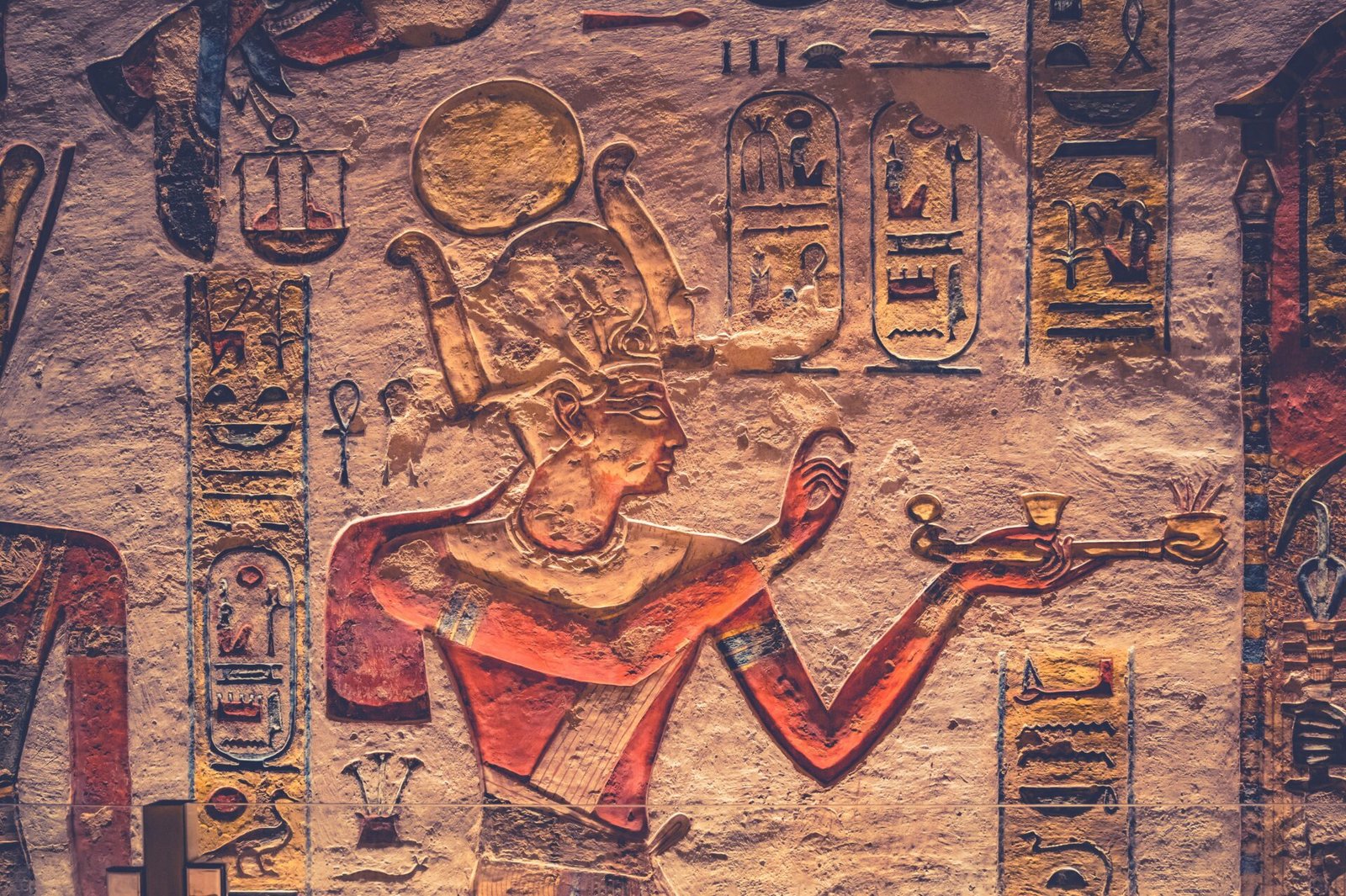
Women in ancient Egypt were respected as wives and mothers, pivotal in maintaining social stability. Their roles in family and society illustrate a balance of domestic responsibilities and broader societal contributions, marking ancient Egypt as a civilization with a nuanced view of gender roles and family dynamics.
Trade, Economy, and Technology: Innovations of the Ancient Egyptians
The economy of ancient Egypt was robust and diverse, driven primarily by agriculture. The fertile lands along the Nile allowed farmers to cultivate crops like wheat and barley. This agricultural abundance not only sustained the population but also served as a basis for trade.
Egyptians engaged in extensive trade with neighboring regions. They exchanged goods such as gold, papyrus, linen, and grain. In return, they imported cedarwood from Lebanon, spices from Punt, and ivory from Africa, demonstrating their wide trade networks.
The marketplace was vibrant, with traders dealing in goods ranging from everyday necessities to luxury items. These exchanges were crucial for economic stability and growth, enabling the distribution of goods across vast distances.
-
- Key Trade Items:
-
- Gold and precious stones
-
- Papyrus and linen
-
- Wheat and other grains
-
- Key Trade Items:
Technological innovation was a hallmark of ancient Egyptian civilization. They employed advanced irrigation techniques to enhance agricultural productivity. The shadoof, a hand-operated device for lifting water, revolutionized farming practices.
Egyptians were also skilled in metallurgy, using copper and bronze to create tools and weapons. Their expertise in mathematics facilitated precise architectural designs, contributing to monumental building projects. Their innovations laid groundwork for later technological advancements.
Thus, ancient Egypt’s economy thrived on trade, agriculture, and technological prowess. These elements combined to create a dynamic, interconnected society that not only sustained itself but also engaged and influenced a broader ancient world. Through these achievements, Egypt left a lasting legacy on subsequent civilizations.
War, Conquest, and Foreign Influence
Ancient Egypt’s history is marked by periods of warfare and conquest. These events often shaped the destiny of the civilization. The Egyptian military was a formidable force, using chariots and sophisticated weaponry to expand its territories and protect its borders.
Egypt engaged in numerous conflicts with neighboring regions. Campaigns into Nubia secured valuable resources like gold. Additionally, battles against the Hittites and the Hyksos marked periods of intense struggle. These confrontations often resulted in territorial gains or losses, reshaping Egypt’s geopolitical landscape.
Foreign influence on Egypt was significant, particularly during times of conquest. The Hyksos introduced new weaponry and chariot warfare, which Egyptians later adopted. Contact with other cultures brought both challenges and innovations, enriching Egyptian society.
-
- Notable Military Engagements:
-
- Wars against Nubia for resources
-
- Conflicts with the Hittites and the famous Battle of Kadesh
-
- The Hyksos invasion and eventual expulsion
-
- Notable Military Engagements:
The influence of foreign powers is evident in the changes that occurred within Egyptian society during certain periods. The Assyrians and Persians introduced new administrative practices and art styles. Greek rule under Alexander the Great brought further cultural blending, leading to the Ptolemaic dynasty.
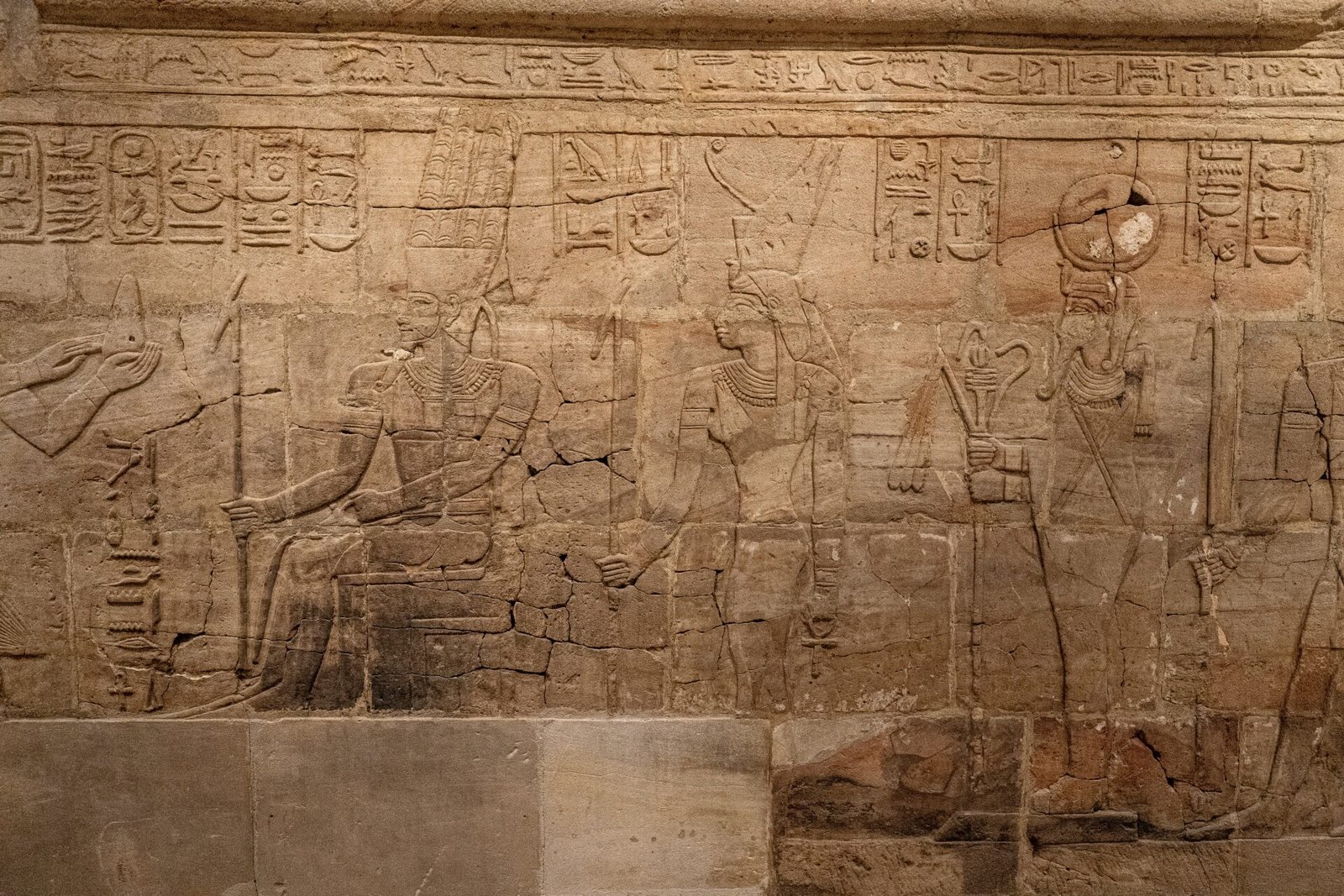
These interactions through war and conquest left a profound impact on ancient Egypt. The blending of customs and technologies through these exchanges enriched Egyptian culture, crafting a unique and enduring heritage that continues to captivate us today.
Decline and Legacy: The Enduring Influence of Ancient Egypt
The decline of ancient Egypt was a gradual process influenced by multiple factors. Internal strife and economic challenges weakened the civilization. This vulnerability allowed foreign powers to exert control over the Egyptian lands.
The conquest by Alexander the Great marked the beginning of foreign rule. The Ptolemaic dynasty followed, blending Greek and Egyptian cultures. Subsequently, Rome annexed Egypt in 30 BC, further diluting its ancient traditions.
Despite these changes, Egypt’s legacy endured. Its art and architectural achievements continue to inspire modern creators. The pyramids stand as symbols of human ingenuity and determination, captivating people worldwide.
-
- Key Factors in Egypt’s Decline:
-
- Economic difficulties and resource depletion
-
- External invasions and political instability
-
- Assimilation into larger empires, such as Greece and Rome
-
- Key Factors in Egypt’s Decline:
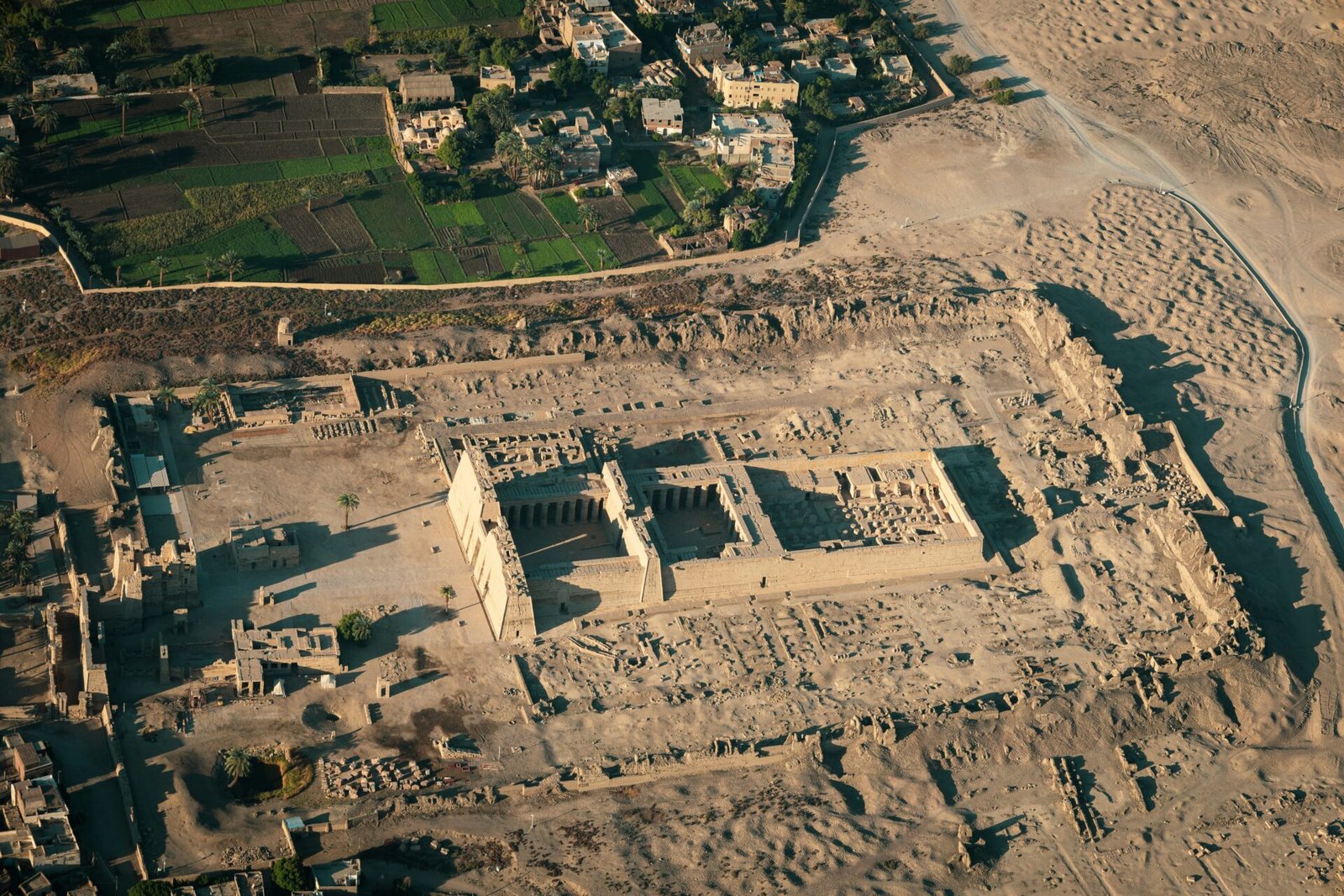
Egypt’s contributions to writing, science, and governance also left an indelible mark. Its advancements in mathematics and medicine set the foundation for future innovations. Additionally, the rich mythology and religious beliefs of ancient Egypt have fascinated scholars, influencing religious and cultural narratives around the globe.
Today, the allure of ancient Egypt persists, drawing tourists, researchers, and historians. Its enduring influence is seen in various fields, from art and architecture to literature and science, solidifying its place in world history.
Ancient Egypt in Pictures: Visual Journey Through Time
Ancient Egypt’s story comes alive through striking images, capturing its grandeur and mystique. The pictures of the pyramids, with their precise angles and immense scale, depict the skill of the builders. These structures have become symbols of ancient Egyptian greatness.
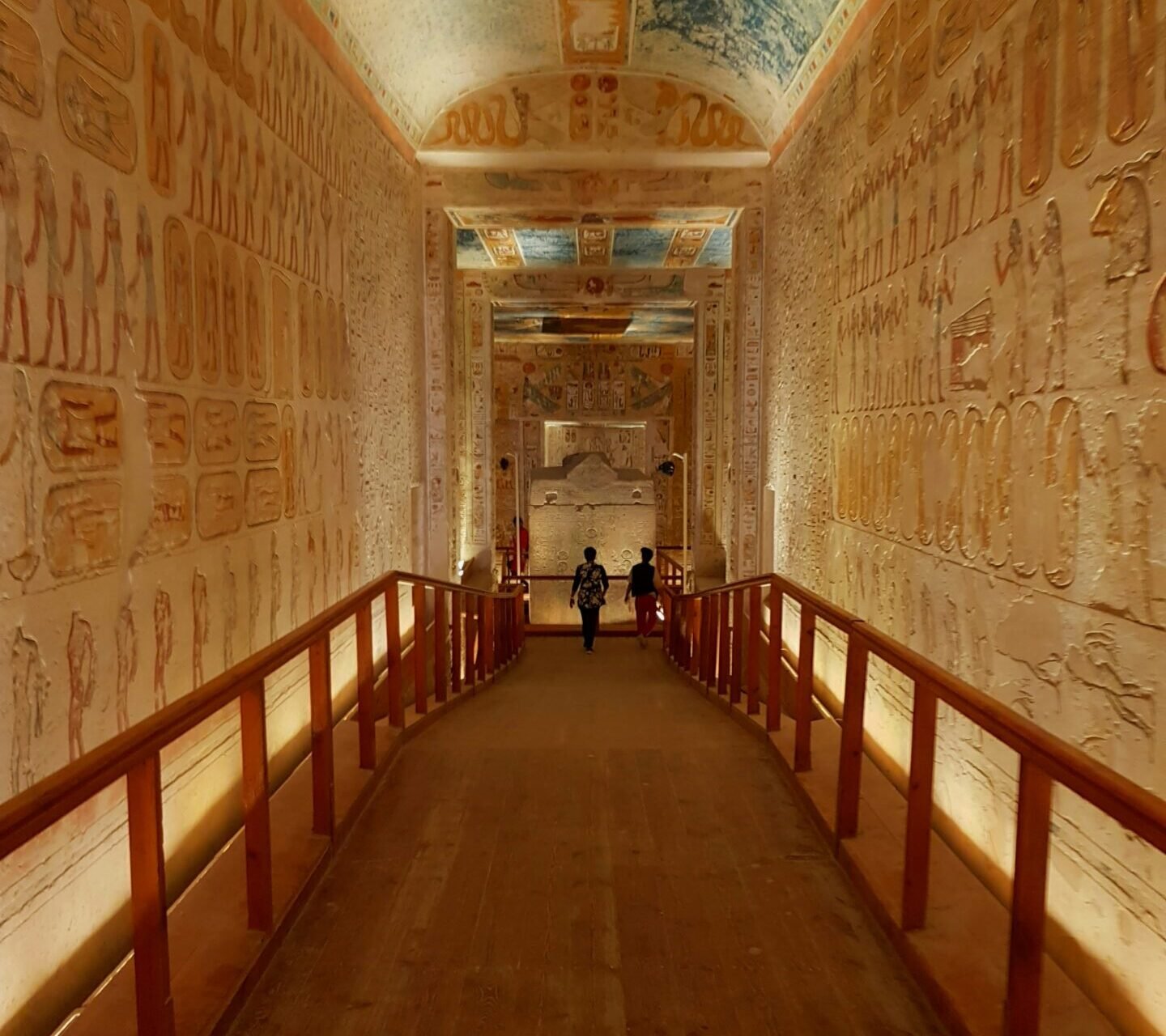
Hieroglyphics offer a glimpse into everyday life and sacred rituals. These pictorial scripts tell tales of kings, gods, and common people. Each symbol intricately carved, revealing a culture rich in language and expression.
The images of ancient Egyptian art are equally captivating. Tomb paintings and sculptures reflect the Egyptians’ artistic flair. The colorful depictions of gods, pharaohs, and daily life open a window to their beliefs and values.
-
- Key Visual Elements of Ancient Egypt:
-
- Monumental architecture: pyramids, temples, and the Sphinx
-
- Intricate hieroglyphics and carved stone inscriptions
-
- Vibrant art portraying religious narratives and pharaohs’ exploits
-
- Key Visual Elements of Ancient Egypt:
Pictures from ancient Egypt also highlight their architectural feats. Temples like Karnak and Abu Simbel showcase their engineering prowess. Intricate carvings and colossal statues add depth to Egypt’s architectural heritage.
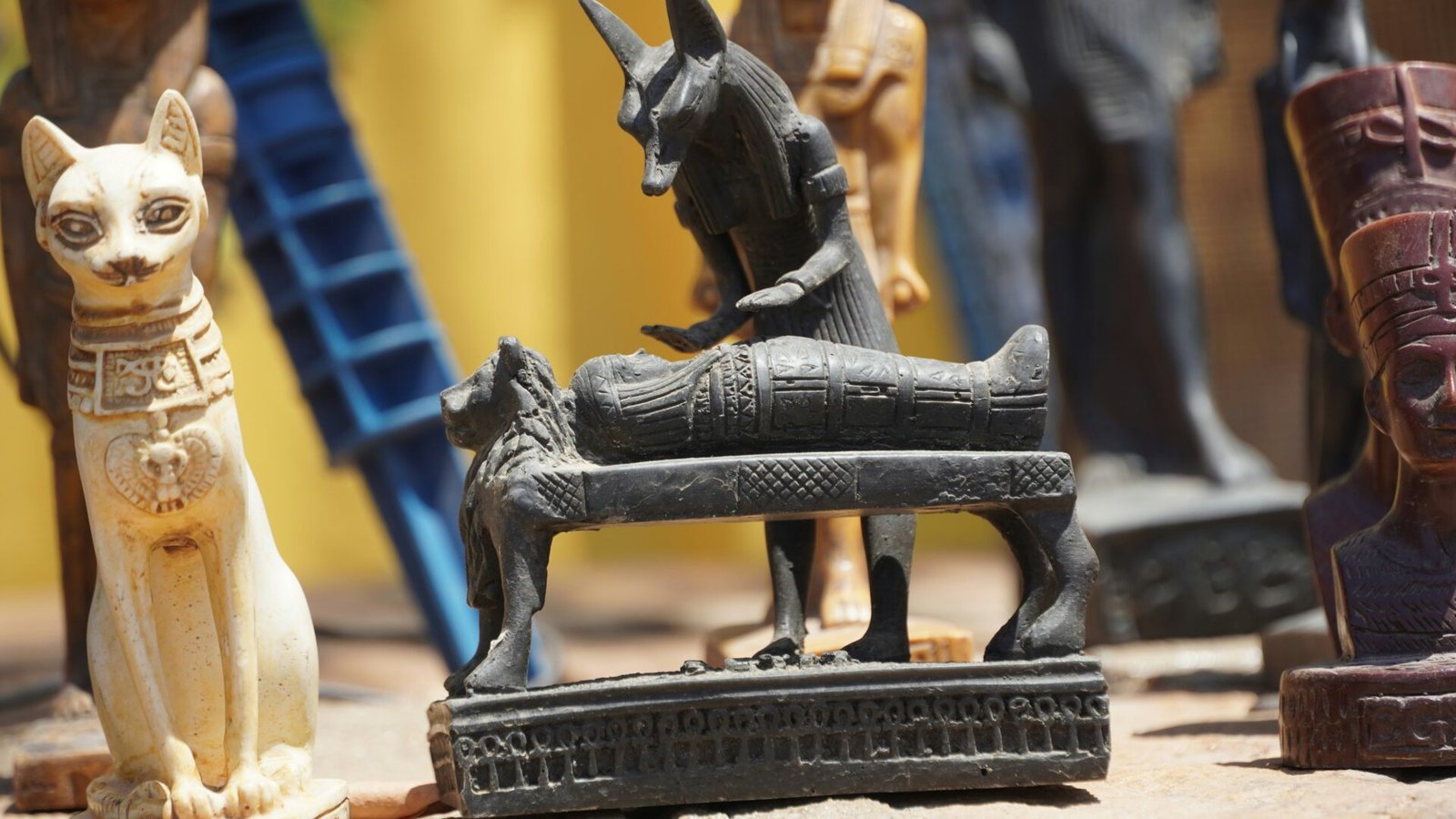
The images of the Egyptians themselves bring a personal touch. Statues and carvings capture their attire, hairstyles, and adornments. These representations showcase the elegance and sophistication of ancient Egyptian fashion.
Through these visual documents, we can journey back into a world of long ago. They connect us to the past, allowing us to appreciate the enduring legacy of ancient Egypt’s civilization in a vivid and tangible way.
Experience the Magic in Person: Explore Ancient Egypt with Easy Transfer 24/7
Reading about the mighty pharaohs and gazing at photos of the Great Pyramid is one thing, but standing in the very shadows of these colossal monuments is an experience that transcends time. The mysteries of this 3,000-year-old civilization aren’t just meant to be studied—they are meant to be felt, explored, and witnessed firsthand.
Whether you want to marvel at the architectural wonders of the Giza Plateau, uncover the hidden secrets of Saqqara, or trace the layers of history spanning across Cairo and Alexandria, we have the perfect itinerary for you. Skip the hassle of planning and let our expert guides bring these ancient narratives to life.
Ready to step into the past? Browse our full range of expert-led excursions at Easy Transfer 24/7 and book your ultimate journey to see these ancient Egyptian treasures today.
Conclusion: The Enduring Mysteries of Ancient Egypt
The civilization of ancient Egypt has fascinated scholars and enthusiasts for centuries. Its history spans over 3,000 years, leaving behind a legacy of remarkable achievements. From monumental pyramids to their sophisticated irrigation systems, the Egyptians set benchmarks in various fields.
Despite extensive research, many aspects of their civilization remain elusive. How did they align the Great Pyramid so precisely with celestial bodies? What secrets lie in the unexplored tombs of the Valley of the Kings? Such questions continue to captivate imaginations worldwide.
The influence of ancient Egyptian culture extends beyond their time. Their art, architecture, and mythology have left an indelible mark on human history. Modern society draws inspiration from their innovations, and new generations continue to study their accomplishments.
Interest in ancient Egypt is rekindled with each archaeological discovery. These findings not only reveal more about their past but also deepen the mystery. Each artifact and inscription fuels curiosity and admiration for this illustrious civilization.
The enduring mysteries of ancient Egypt remind us of our shared human heritage. As we piece together their story, we honor those who shaped an extraordinary civilization along the Nile. Ultimately, their enigmatic past enriches our understanding of human history and achievement.